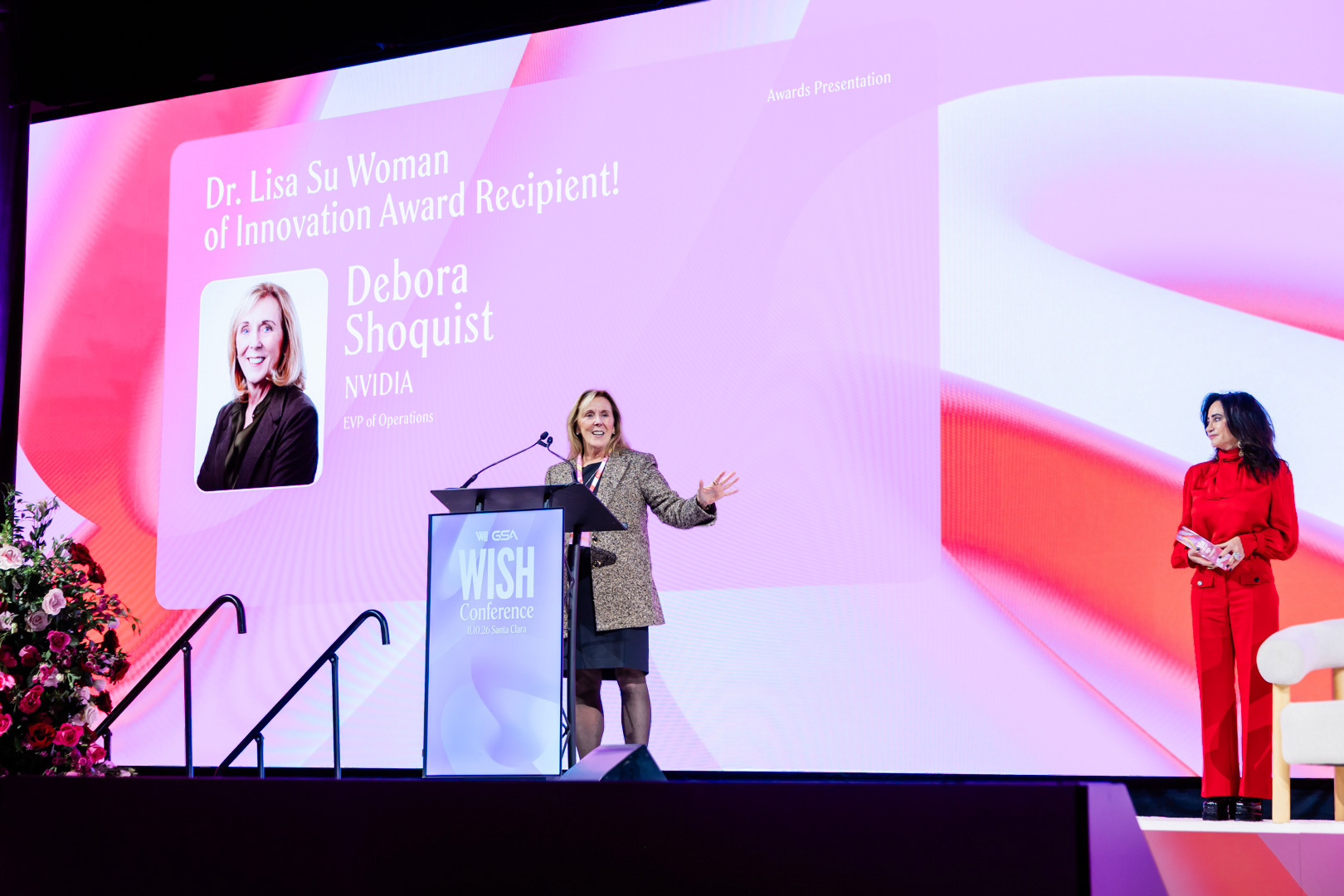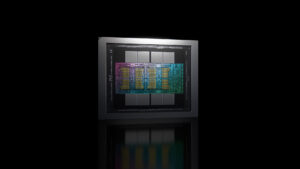
Deb Shoquist leads operations at NVIDIA, overseeing the supply chain and manufacturing behind its AI platforms. That description sums up the job, but it doesn’t begin to encompass what Shoquist has made possible over decades.
Shoquist, her team and their global network of manufacturing partners enable NVIDIA to introduce world-leading technologies year-round.
Much of the team’s success comes down to her deep relationships with some of the world’s most accomplished manufacturers, including TSMC, Foxconn, Wistron, SPIL, King Yuan Electronics (KYEC), Unimicron, Lumentum, Coherent and Amkor. TSMC has partnered with NVIDIA since 1998. SPIL and KYEC were assembling and testing its chips more than two decades ago.
For Shoquist, those relationships grow stronger through each challenge solved together on the factory floor, as every generation of technology demands more from the people and tools behind it.
Ask her about the global network she relies on, and she starts with the people. There’s the supplier in Taiwan so eager to get production moving that he calls her at 3 a.m. with a fix to the latest problem. There are the factory workers in Vietnam whose only ask of her are more tools to get more work done. She remembers the partners that supported NVIDIA when it was small, and the work they’ve done to help each other grow.
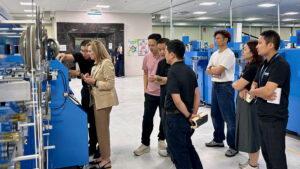
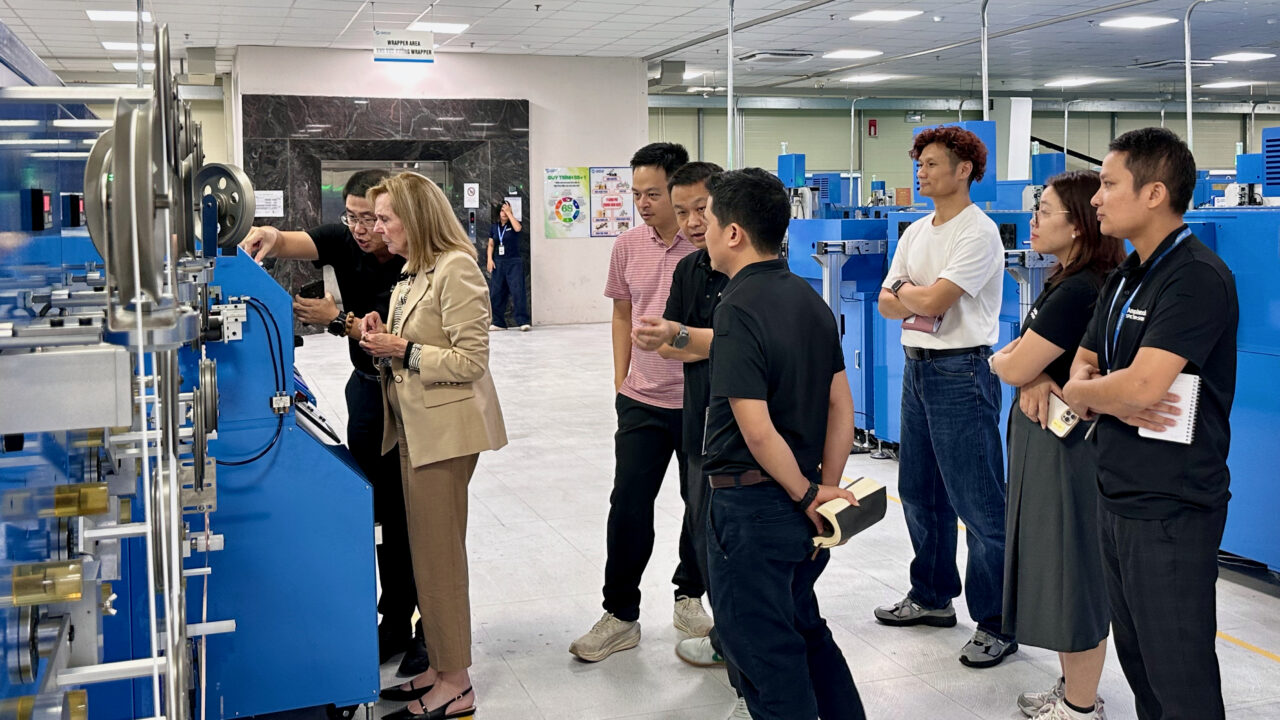
Shoquist meets with key suppliers quarterly and spends six weeks each year on the road visiting partners in Taiwan, China, Korea, Vietnam and the U.S., where conversations move from meeting rooms to factory floors.
Recently, she paused her travels to accept the 2026 Dr. Lisa Su Woman of Innovation Award — and to share how she finds the right people and companies to imagine and produce at massive scale technology that has never been built before.
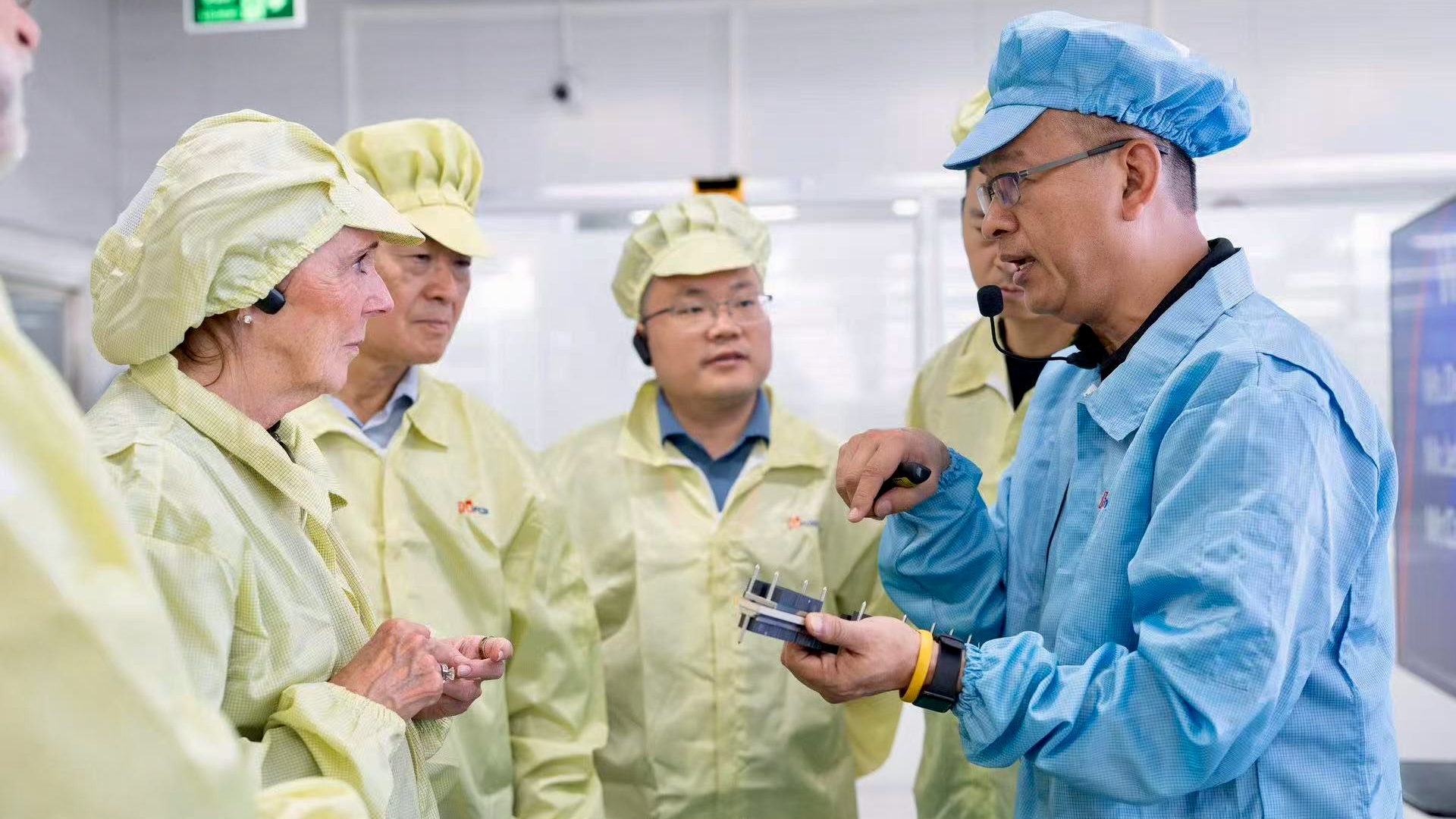
Q: How would you describe your job to someone outside NVIDIA?
A: At the most basic level, our job is to convert designs into the physical world. Our design team creates a blueprint, and our job is to transition it into a reliable, high-performance supply chain.
A matchmaker is probably the best analogy. You have to find the partner that matches your ramp style and has the technology that can meet the needs of very precise designs. The supplier has to be financially strong enough to invest in our ramps. They have to be highly technical. And they have to be willing to do something that has never been done before.
If you don’t have all three, you can’t create products at the volume and speed that we need. You need those three legs, and in some cases, if you only have two, you have to invest in the company to make them a partner.
Q: What’s an example of that in practice ?
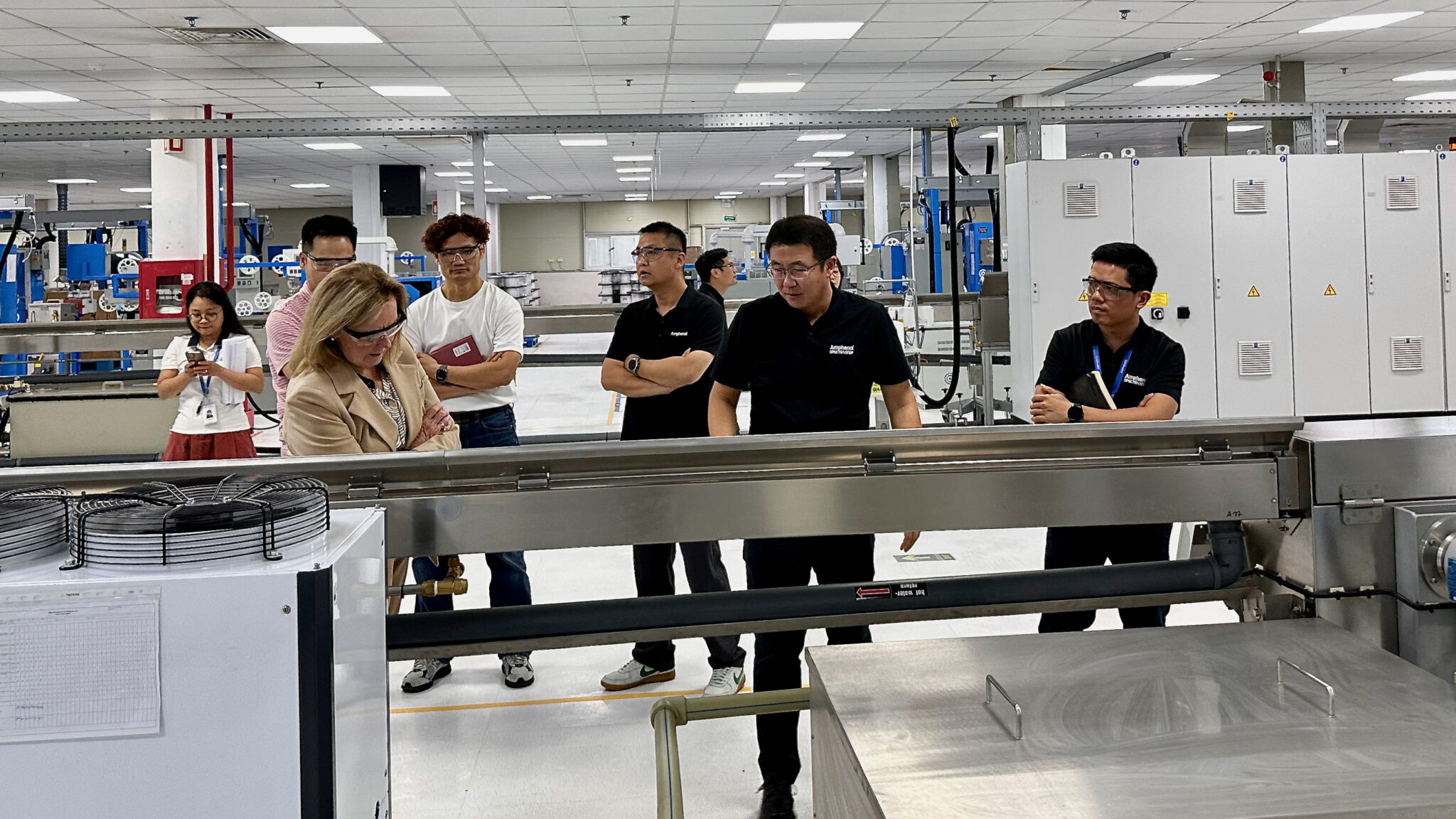
A: Amphenol’s cable cartridge is the most complex interconnect assembly they have ever built. When I recently visited the Vietnam factory, now in full production, I was struck by the level of precision required to build a product of this complexity.
In this large cable cartridge, there are 1,500 small cable legs. Each one requires a very precise assembly to yield a quality level of less than 1 DPPM, or defect part per million. Amphenol built over a hundred automated lines to produce this product at the speed and scale we require. That takes know-how and technology, but it also takes heart, willingness and dedication.
Creating anything of that complexity and precision with a supplier forges the partnership. The partners NVIDIA maintains are the ones who supported us when we were small, and yet are willing to scale with us today.
Q: What changed as NVIDIA went from selling chips to building systems and platforms?
A: When we were primarily a chip manufacturer, we were small, and the semiconductor industry was at scale. In that environment, it was about picking the best technology match for the products we envisioned.
As we became a data center systems company, we needed more partners. But we’ve also now entered into new technology areas where the scale of the supply base is still developing.
For example, our optical component partners have the technology and the willingness, but they don’t yet have the scale or capital to build fabs for the volume we need. To grow, we needed to support and invest, like we did with Coherent and Lumentum.
Beyond that, with products like CPO (co-packaged optics), we’re creating entirely new supply chains with scale partners that are new to the optics world. Leading the integration of talent across the supply chain is the key to driving this incredible technology to high volume quickly.
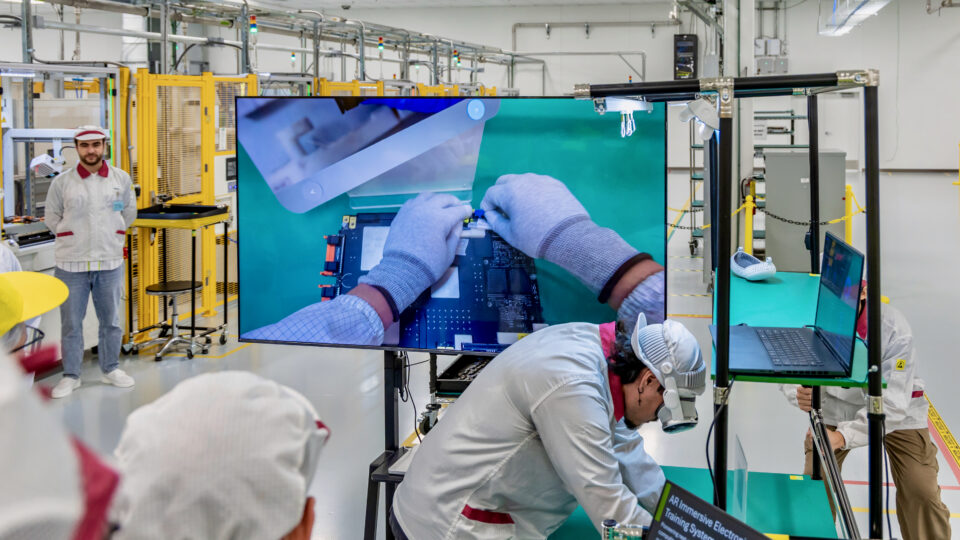
Q: You clearly enjoy spending time with supply partners, and in particular on the factory floor. What have you learned there over time that can’t be learned anywhere else?
A: Over 20 years, you meet many individuals key to the success of your supply. You meet not only the CEOs, but also the people that are running the production floor. These are the people that really know the problems of manufacturing.
If you don’t have a tight working relationship with the people deeper in the organization, then it’s hard to have an open dialogue about any challenges. But when you have tight relationships, they want to help you, and they feel comfortable enough telling you, “I need better technical support on the floor. I need more quality engineers. We need a better design. We need to automate this. We need more buffers of material.”
That’s what 20 years of working with our suppliers has taught us. It’s year after year of learning from people, getting to know people deeper in the organization and creating the trust where they can tell us what we need to do to be successful with them.
Q: Demand for NVIDIA technology is already massive and growing. Your job is to make sure NVIDIA’s volume can keep up. How do you make it happen?
A: It goes back to relationships. When you decide that you’re going to push a line hard to increase volume, you have to have the relationships. You have to know their processes in detail. You have to know their people in detail, and they have to trust you. Only then are you in a position to ask them for special favors, because you can do it surgically, and your ask is credible and reasonable.
And when you’re successful together, they’re happy, you’re happy, and the appreciation for the partnership deepens. We all appreciate those that make us successful.
Q: How do you prioritize resources across the supply chain?
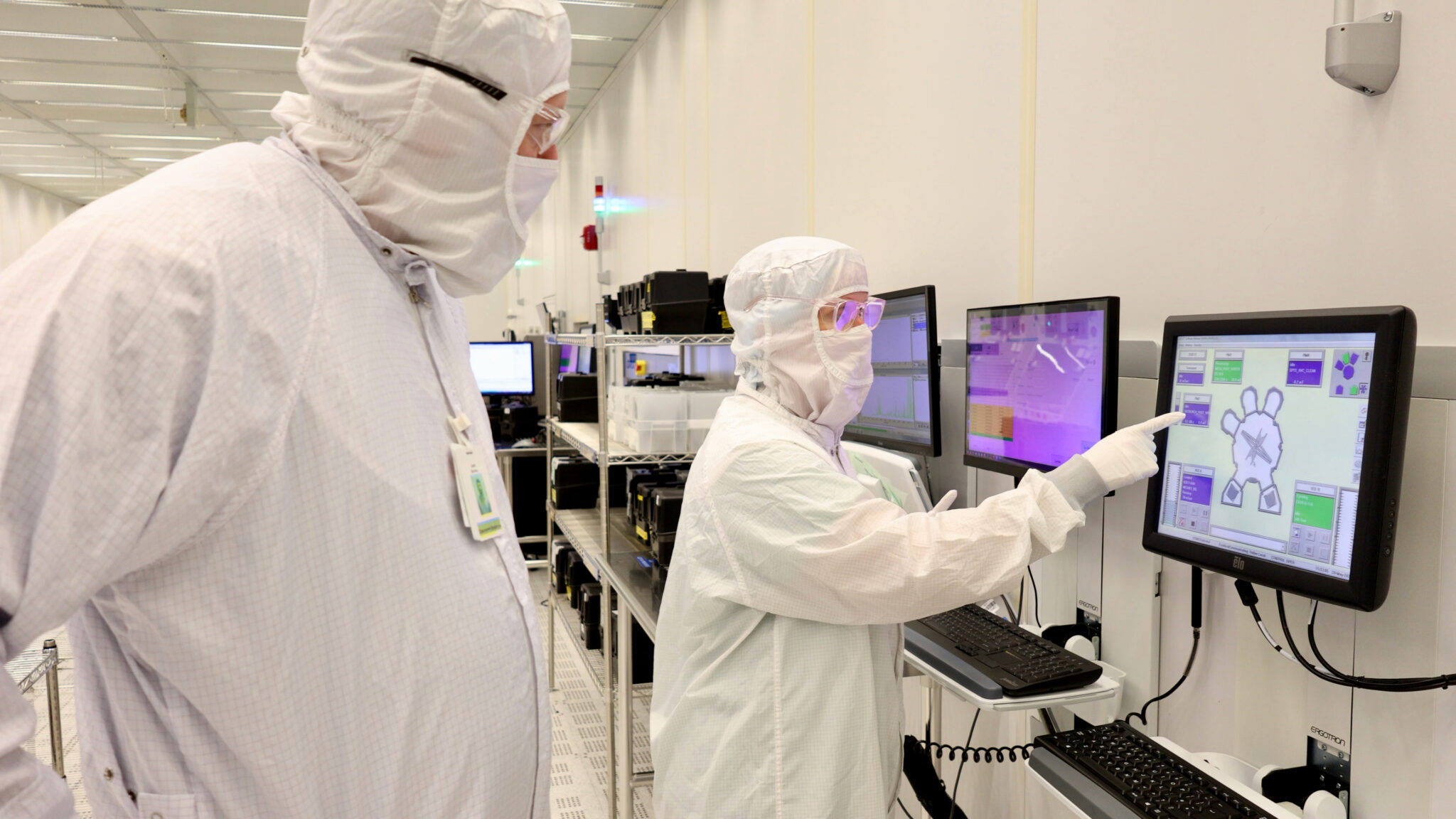
A: You need to first understand what the most critical components are, and protect and prioritize production around them. We need wafers like we need air. And the critical component is the TSMC chip. As it comes out of assembly every week, we decide what factory gets what chip.
Every week, we look at factory performance. If a particular factory yield is low, if their time of ownership is not at the level we want, they don’t get more chips that week.
We keep track of every chip, from the identification number on the die all the way to the customer invoice. If you want to be our supplier, you have to support that traceability process. With that process, we took the time it takes from chip out at TSMC to system out at Foxconn and Wistron from five to two weeks when supply and demand requires it.
Think of the supply chain as a large circulatory system with pathways everywhere — and when you need to accelerate any branch of it, you have the power to do that. We have the capability to do that. It’s empowering and exciting.
Q: What’s an example of a time things didn’t go as planned? How did you, the team and your partners find a way forward?
A: We were getting ready to go to volume production with Foxconn and Wistron for the compute board of NVIDIA GB200. The last step in the process was a test managed by an automated handler — a completely new approach for us, developed to meet the demands of high-volume throughput for these complicated products. During the initial ramp, the throughput was significantly below plan.
The operations director of Taiwan manufacturing made the call that to protect the product and shipments, he needed to disable the entire process and return to manual test loading. Our manufacturers backed him without question and brought in the necessary manpower to meet the immediate needs, literally hundreds of operators. That kept production moving, but would not solve the throughput requirement of full production.
As with any operations problem, the root cause had many elements to it: test tray assembly, test tray design, automation hardware design, automation control software, product yield. From all viewpoints, it was a difficult problem to resolve quickly.
That’s when we executed the NVIDIA swarm. Teams from NVIDIA design engineering, operations industrial, and product and test engineering, as well as from Foxconn automation engineering, flooded the line with talent to redesign and reactivate the line before the scale ramp hit.
This is not an unusual occurrence when there is a problem in operations. All teams at NVIDIA are street fighters — action-oriented, and know no organizational boundaries. We say that “the mission is the boss,” but we also live “the mission is the boss.”
Q: What makes this work so exciting for you?
A: Operations is a very empowering place to be at NVIDIA. Our team is designing and implementing changes to the supply chain constantly to meet the strong demand of our new products. The challenges are understandably high, but we’re always given the resources we need to be successful. The only thing between our goals and our success is our own creativity. That is exhilarating.