At SC26, NVIDIA Unveils the Latest Advancements in Scientific Computing
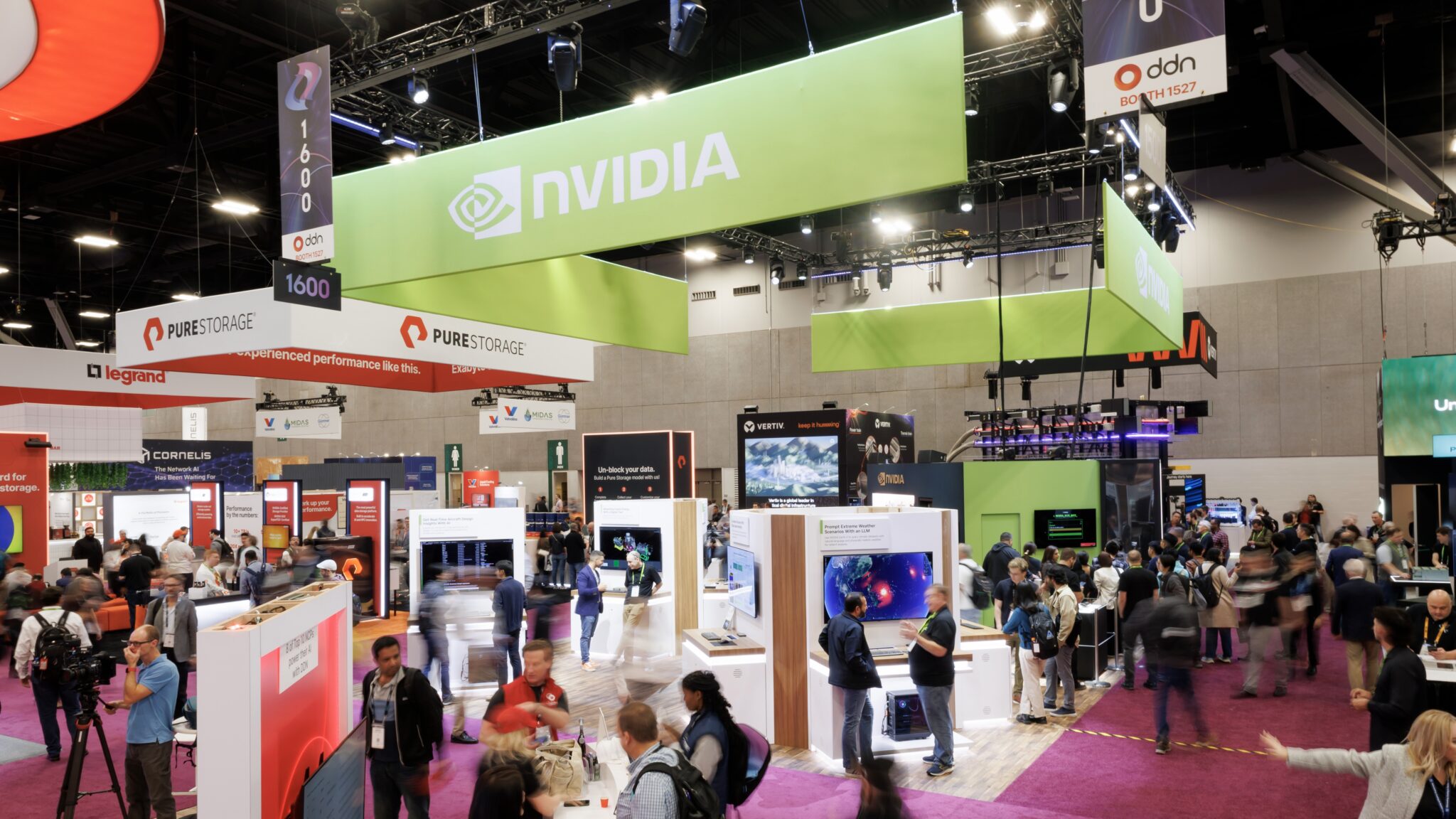
At the Supercomputing conference in Chicago, running Nov. 15-20, NVIDIA is showcasing how agents, accelerated computing and quantum computing are advancing scientific discovery.
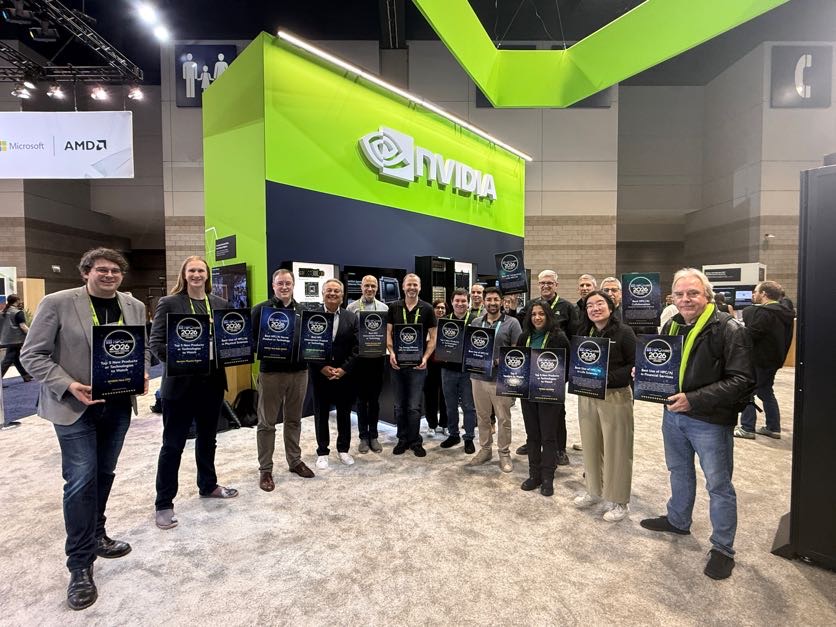
NVIDIA earned 15 HPCwire Readers’ and Editors’ Choice Awards at SC26, spanning Vera Rubin, quantum and AI-driven science.
Announced Monday in Chicago at SC26, the largest international HPC conference, the 23rd annual awards honor the best of HPC and AI, chosen by HPCwire readers and editors.
HPCwire’s awards, now in their 23rd year, are the only ones in the field that open voting to a worldwide audience of end users,
NVIDIA’s Ian Buck kicked off the company’s week at SC26 in Chicago on Monday with new tools for AI agents, software that can plan experiments, run code and check results on researchers’ own systems.
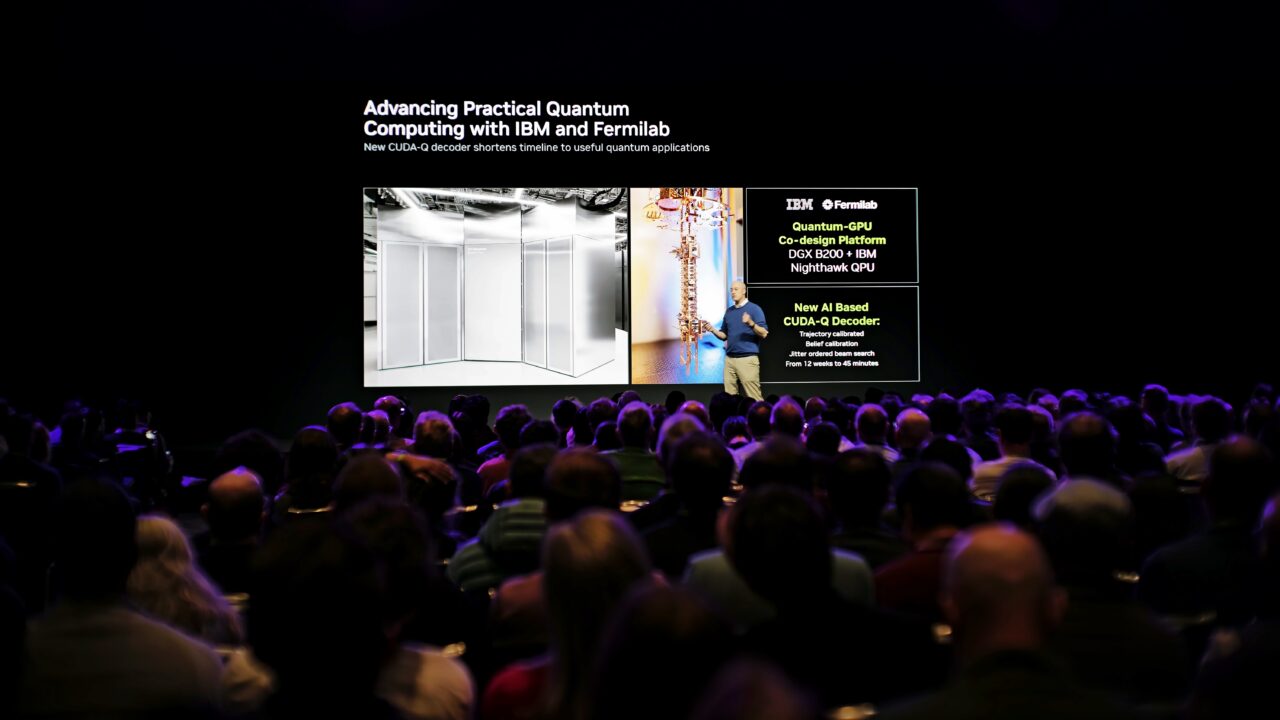
In NVIDIA’s special address, Buck announced Nemotron for Science, the Rubin HPC GPU and an expanded Vera CPU platform for high-performance computing. He also detailed a new collaboration in quantum computing with IBM and Fermi National Accelerator Laboratory.
“The frontier of computing and the new scientific stack is going to be simulation, as always, but combined with AI and the future of quantum,” said Buck, vice president of hyperscale and high-performance computing at NVIDIA.
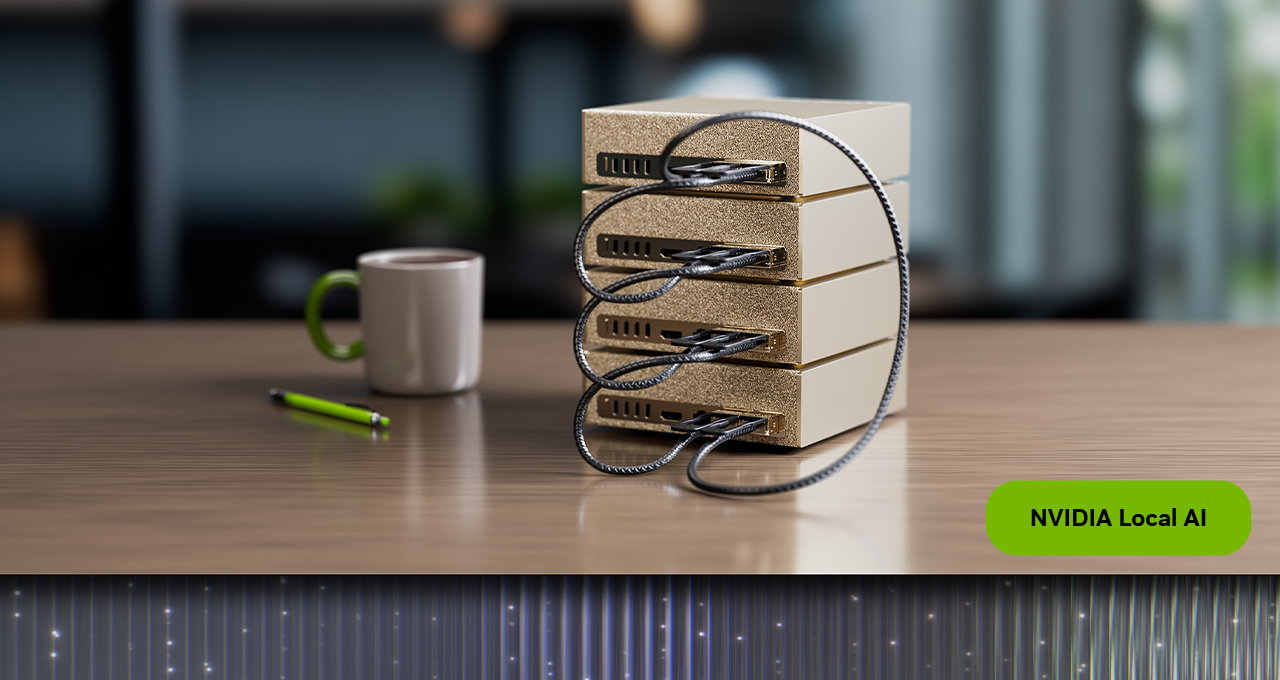
At SC26, an annual supercomputing conference taking place this week in Chicago, NVIDIA is introducing the DGX Spark HPC Developer Kit for researchers, academics and developers.
The kit is a four-node cluster of NVIDIA DGX Spark systems, each connected directly to its two neighbors in a ring, with an NVIDIA HPC SDK installation playbook coming soon. Researchers get a place at their desk to run multi-node scientific workloads, AI models and agents, instead of waiting for time on a shared GPU cluster. The kit puts the GB10 Grace Blackwell Superchip on researchers’ desks.
A Supercomputing Lab on Any Desk
The DGX Spark Developer Kit changes how researchers work.
To train an AI model, thousands of GPUs have to work together, requiring a network that’s fast, efficient and resilient.
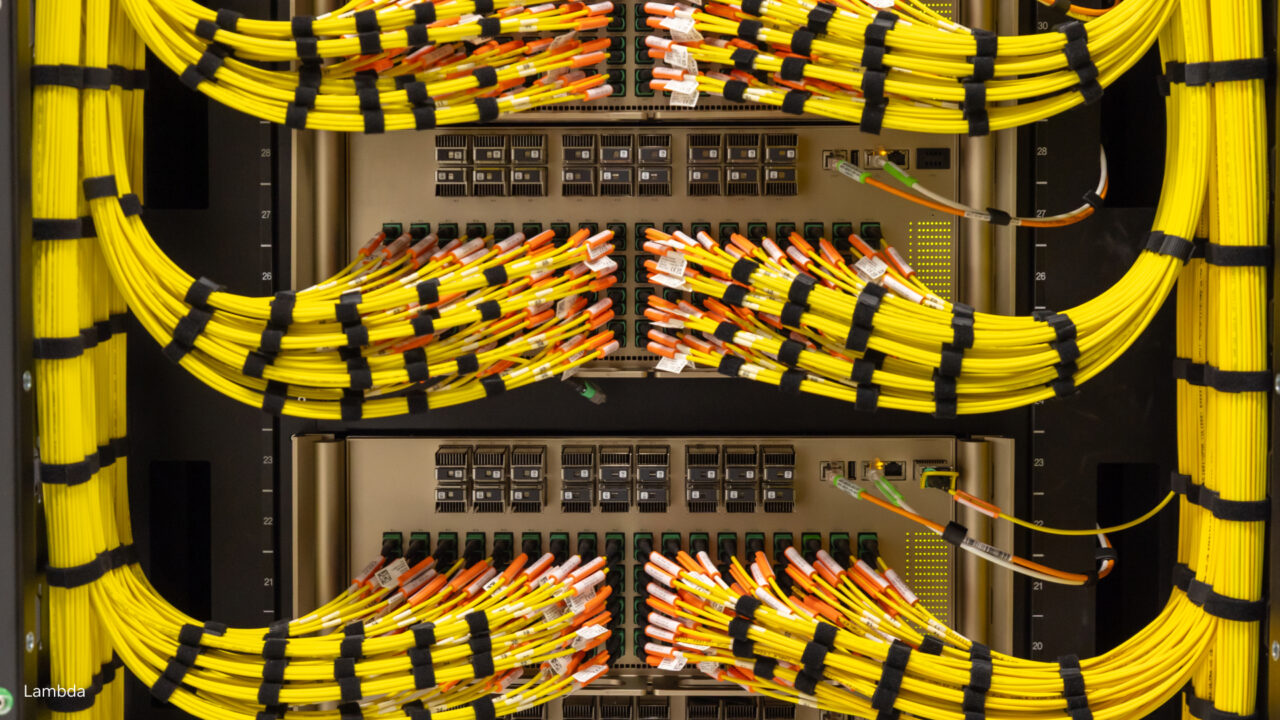
Lambda is tackling the network piece of the puzzle with NVIDIA Photonics co-packaged optics (CPO) switches. The cloud provider is using the switches to connect NVIDIA GB300 NVL72 racks with more than 10,000 GPUs, delivering lower power, higher resiliency and longer mean time between interruptions (MTBI) to an AI factory at scale.
“Networking has to keep pace with the demands of increasingly large AI clusters,” said Dave Ward, president of cloud services at Lambda. “Bringing co-packaged optics into a deployment of this scale is an important step toward building the infrastructure needed to support the next generation of AI.”
Quantum processor deployments at supercomputing centers have grown nearly sevenfold over the past five years, with nearly 30 supercomputing centers around the world now in the process of deploying over 50 quantum processors.
Many of these centers use Slurm to run scientific supercomputing workloads, so expanding its support for quantum processors builds on familiar workflows and tools, enabling computational chemists, nuclear physicists and materials scientists to bring quantum computing into their research domains without friction.
In a new release, Slurm builds on previous work with IBM, Pasqal and the wider quantum computing community to allow QPU builders to create a single interface to their hardware for every supercomputing center, through a simple file. This makes it easier than ever for HPC centers and QPU builders to integrate and serve their hardware.
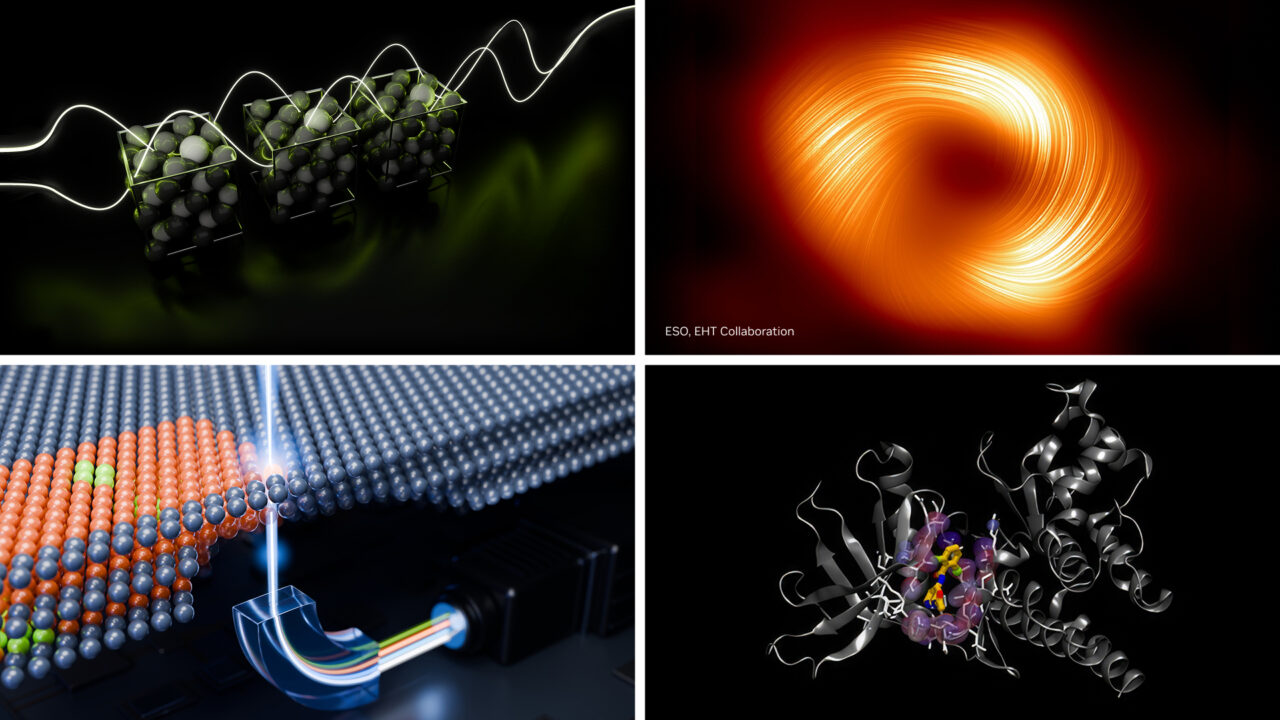
With expanded NVIDIA CUDA-X libraries, including cuPhoton, cuPotential and cuSpa, researchers can sift through vast amounts of data to accelerate research, from astrophysics and materials science to single-cell biology.
The speedups are helping scientists analyze larger datasets and model more complex systems.
The new libraries give AI agents the tools to help researchers make discoveries faster than ever.
This week at SC26, NVIDIA is marking two decades of CUDA by honoring the researchers, developers and engineers who helped make GPU computing a foundation for modern science and AI.
CUDA’s 20th anniversary presents an occasion to reflect across computing eras, from the people who wrote the very first CUDA programs to the AI developers building on their work today.
At the platform’s core is this developer community whose experiments, tools and persistence expanded what accelerated computing could do.
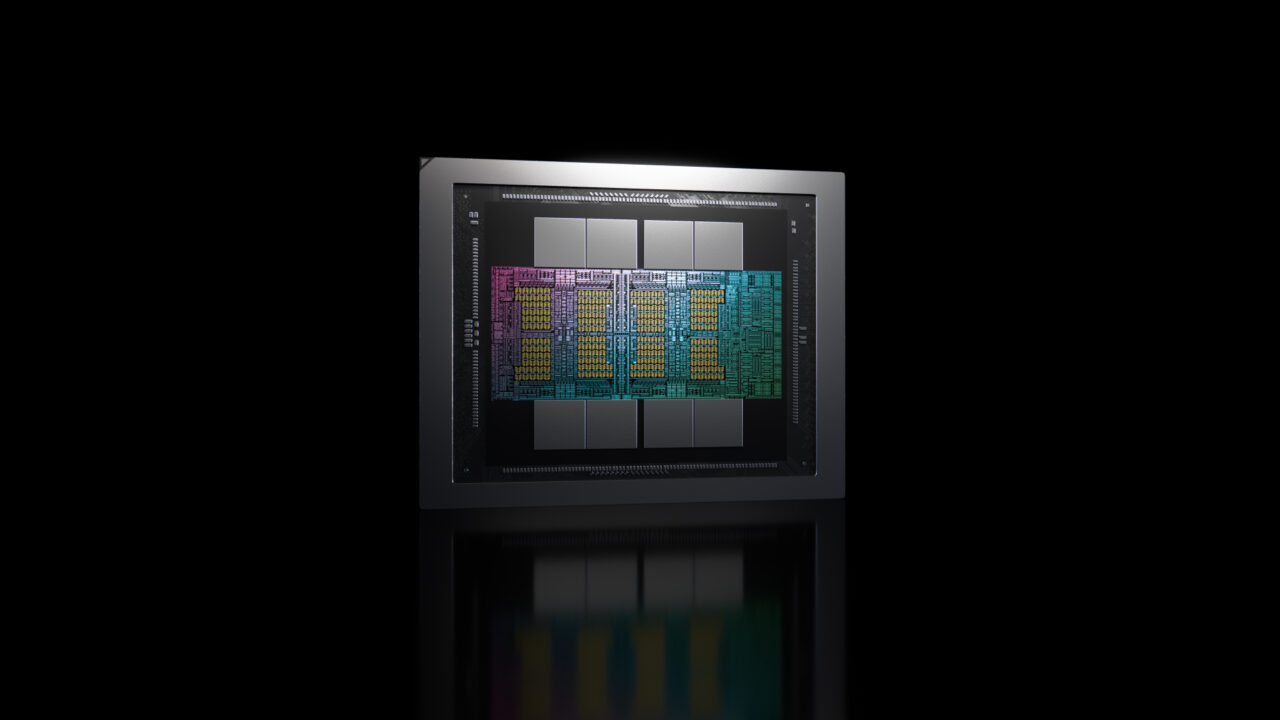
Announced today at SC26, NVIDIA Rubin HPC is a new GPU in the NVIDIA Vera Rubin platform designed to accelerate simulation and data processing for science, engineering and analytics workflows.
As agents help scientists and engineers explore more candidate materials, molecules and designs, they rely on simulations to test those ideas and guide their next steps. Rubin HPC will accelerate those simulations, shortening the path from exploration to scientific discovery and industrial design.
The Rubin HPC GPU features a record number of CUDA cores — more than 50,000 on a single GPU — as well as a sparse data acceleration capability that keeps those cores fed with data, and accelerates GPU-to-GPU connectivity with seventh-generation NVIDIA NVLink interconnect technology.