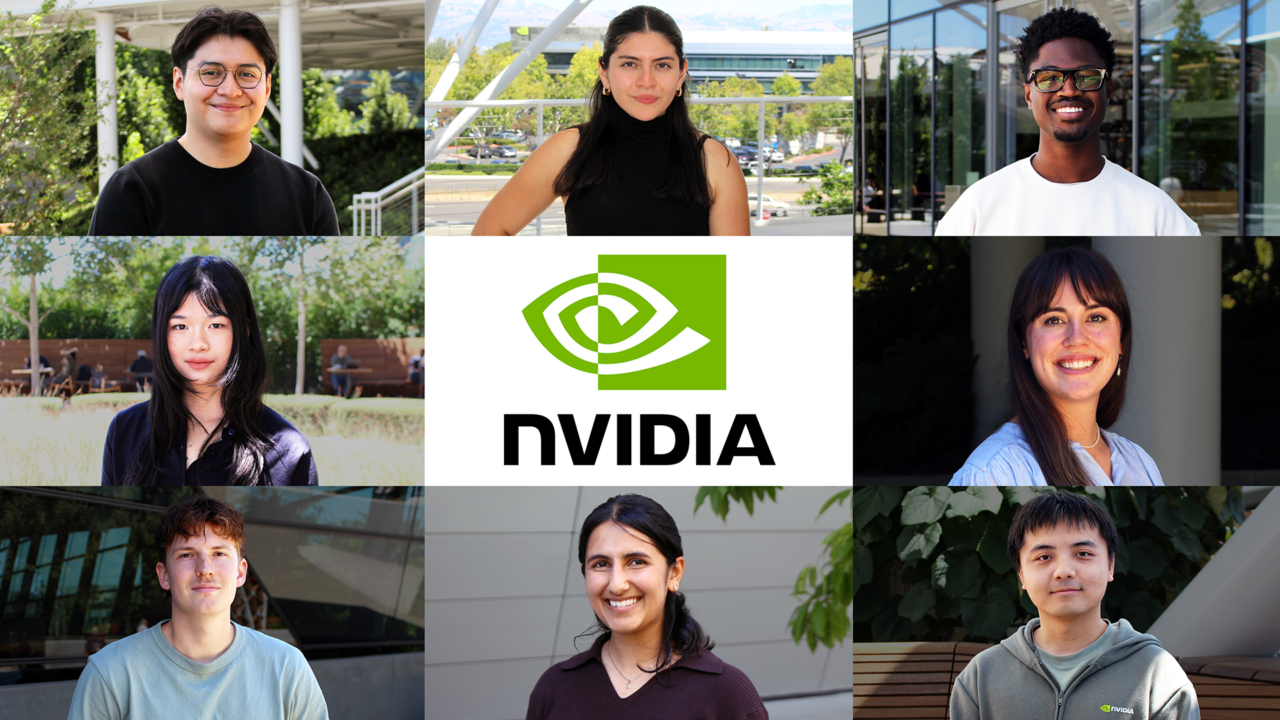
Summer means intern season — and this year, NVIDIA welcomed over 2,000 interns from nearly 300 universities to teams spanning every area of the company, from open source software platforms to hardware verification, gaming technology and autonomous vehicle (AV) development.
NVIDIA internships are taking place in around two dozen countries. One shared theme across each of their experiences: ownership. Interns here aren’t shadowing employees or handed easy tasks — they actively contribute to the company’s high-priority projects with real-world impact.
This National Intern Day, NVIDIA is showcasing how a group of interns at the Santa Clara campus are making their mark.
Krause Contributes to Open Robot Learning Platform
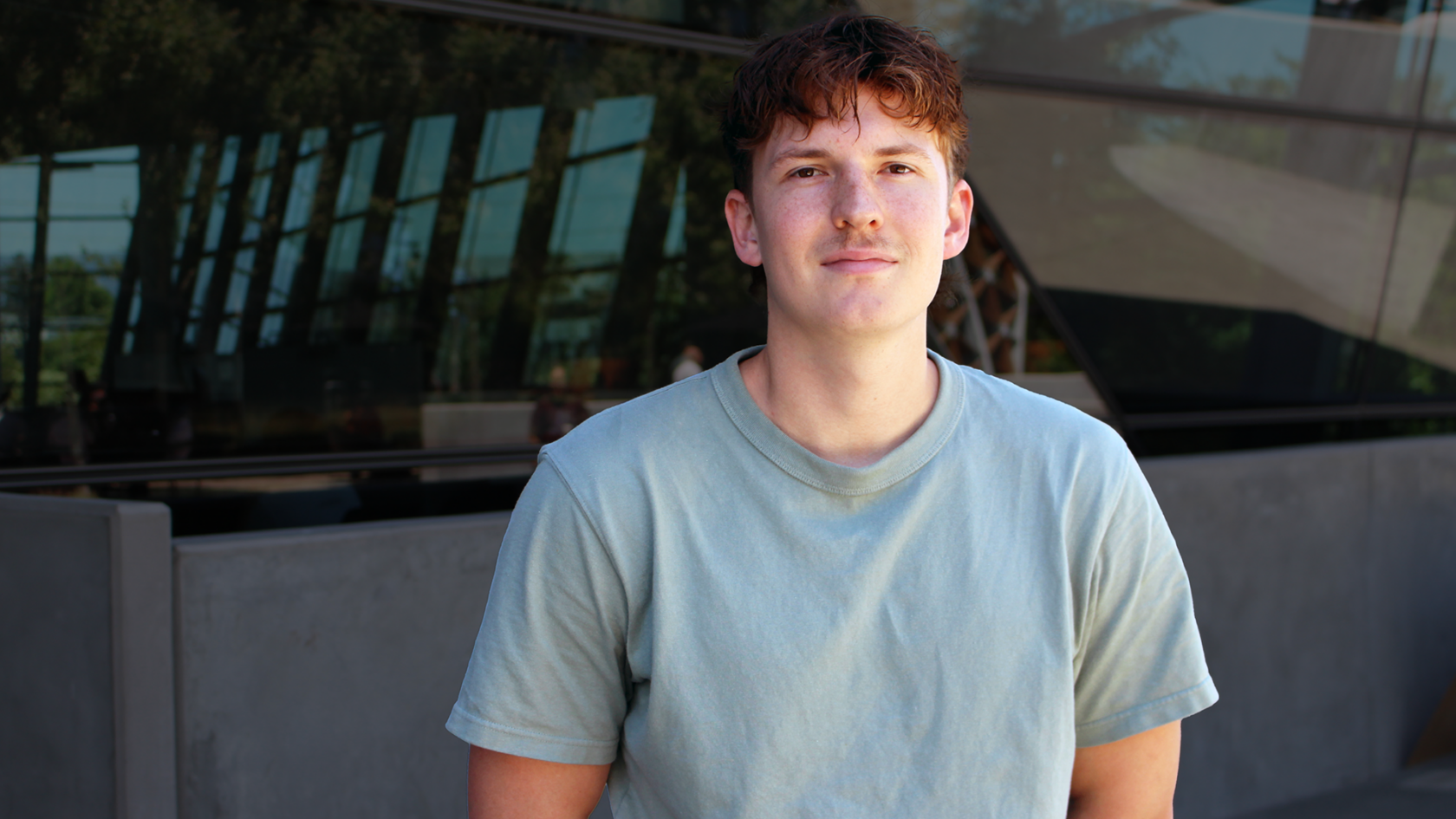
Maximilian Krause, a software engineering intern on the NVIDIA Isaac Lab team, is spending his summer enabling multiphysics for robotics simulation and reinforcement learning.
“Interning at NVIDIA, world-class engineers and researchers are just a message away,” said Krause, who just completed a graduate degree in mechanical engineering at ETH Zurich. “We’re enabling stuff that doesn’t exist yet — things developers couldn’t do before that they can do now in a really fast and efficient way.”
Krause’s work contributes to the open source Isaac Lab simulation framework and Newton physics engine for simulation-based AI robot training.
Wolniewicz Wields AI for Weather Forecasting
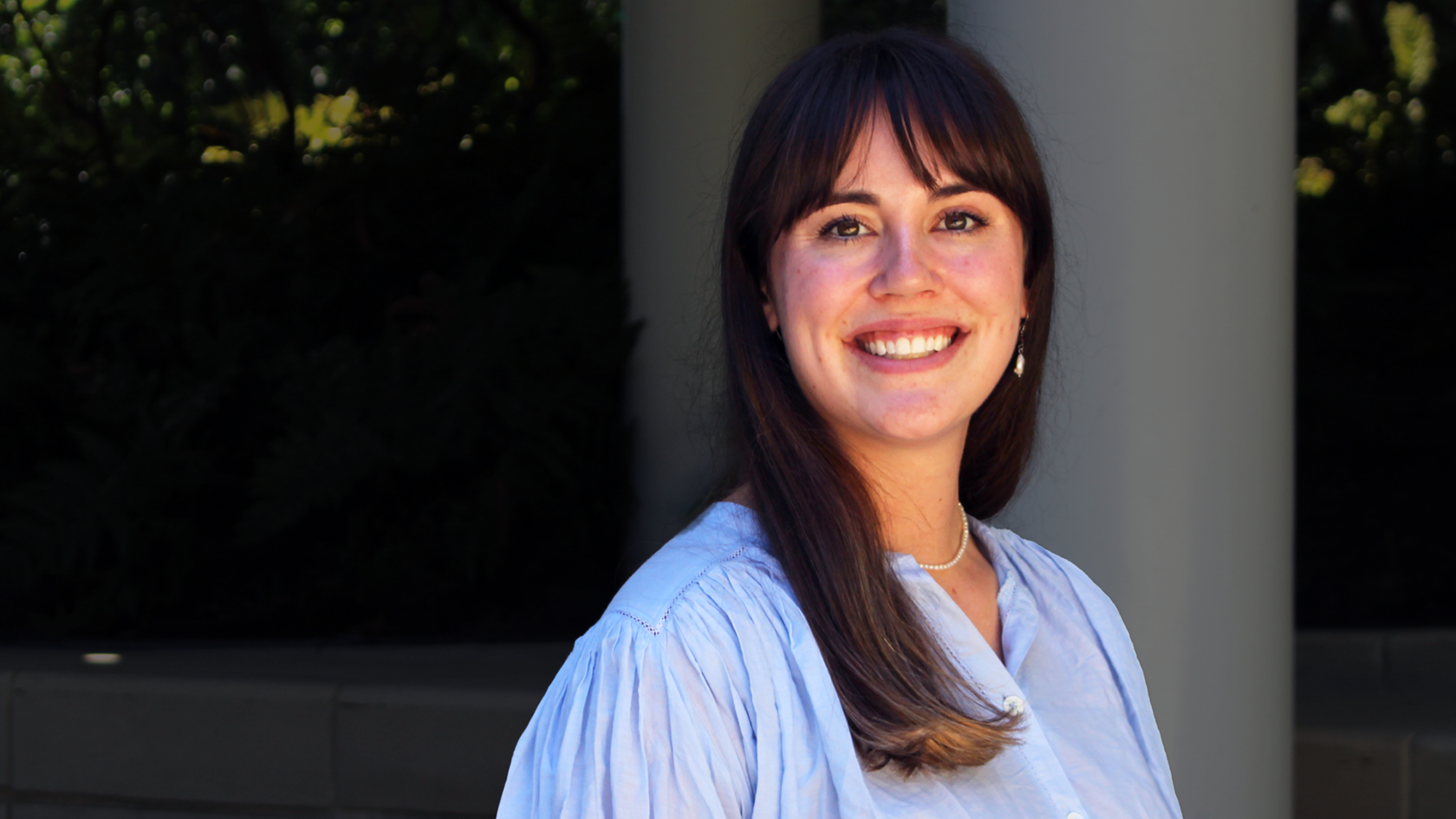
Linnea Wolniewicz, a computer science doctoral student at the University of Hawaiʻi, is solving challenges in AI-accelerated weather forecasting through her internship. Her work contributes to two open source projects: the NVIDIA PhysicsNeMo framework for AI physics models, part of NVIDIA Agent Toolkit, and the NVIDIA Earth-2 family of open models and tools for AI weather forecasting.
“It’s an open science initiative, so everything we produce is open source to help researchers move faster,” she said. “I’d already been following the Earth-2 team from my own research, so it’s honestly a dream to now be integrated into that effort.”
An NVIDIA Earth-2 model architecture, StormScope, is trained on a mix of satellite and ground-based radar data. While satellite data is readily available for the entire globe, radar data is expensive and only publicly available for the continental U.S. and Europe.
Wolniewicz is working on a generative AI model that takes satellite data and generates a prediction of what the corresponding radar data should look like. By tapping this AI-generated radar data, researchers could extend weather AI models like StormScope to any region, even where ground-truth radar data is unavailable.
Anyimadu Adds Insights for Autonomous Vehicle Developers
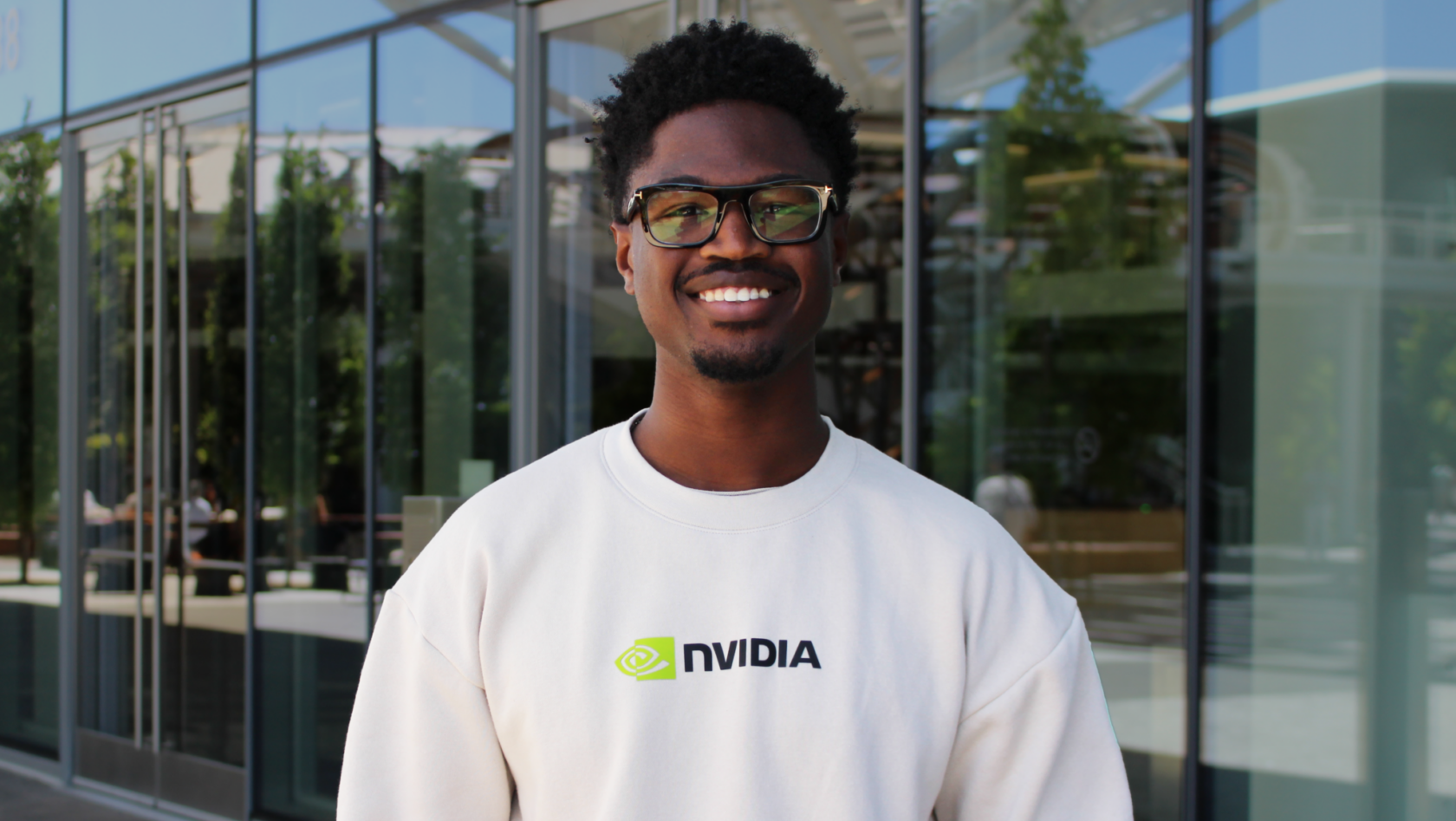
Henry Anyimadu, an intern on the autonomous vehicles software team, is applying his passion for motorsports and engineering to support the AV systems integration and testing team at NVIDIA.
“Our team is responsible for everything that happens between when a developer submits their code for review to it actually deploying on the car,” said Anyimadu, a rising senior studying business and computer science at Washington University in St. Louis. “Over 1,500 engineers across the entire NVIDIA DRIVE platform can use my project to check on the status of their code.”
Anyimadu credits NVIDIA’s collaborative culture for helping him learn about various AI models and deploy one in his project, a system that helps engineers track the status of their code changes.
“Being able to go from having almost no machine learning experience to creating and implementing my own model was a great feeling,” he said. “Having that amount of knowledge available by just asking people has been really cool.”
Hu Helps Physical AI Developers Achieve Peak Performance
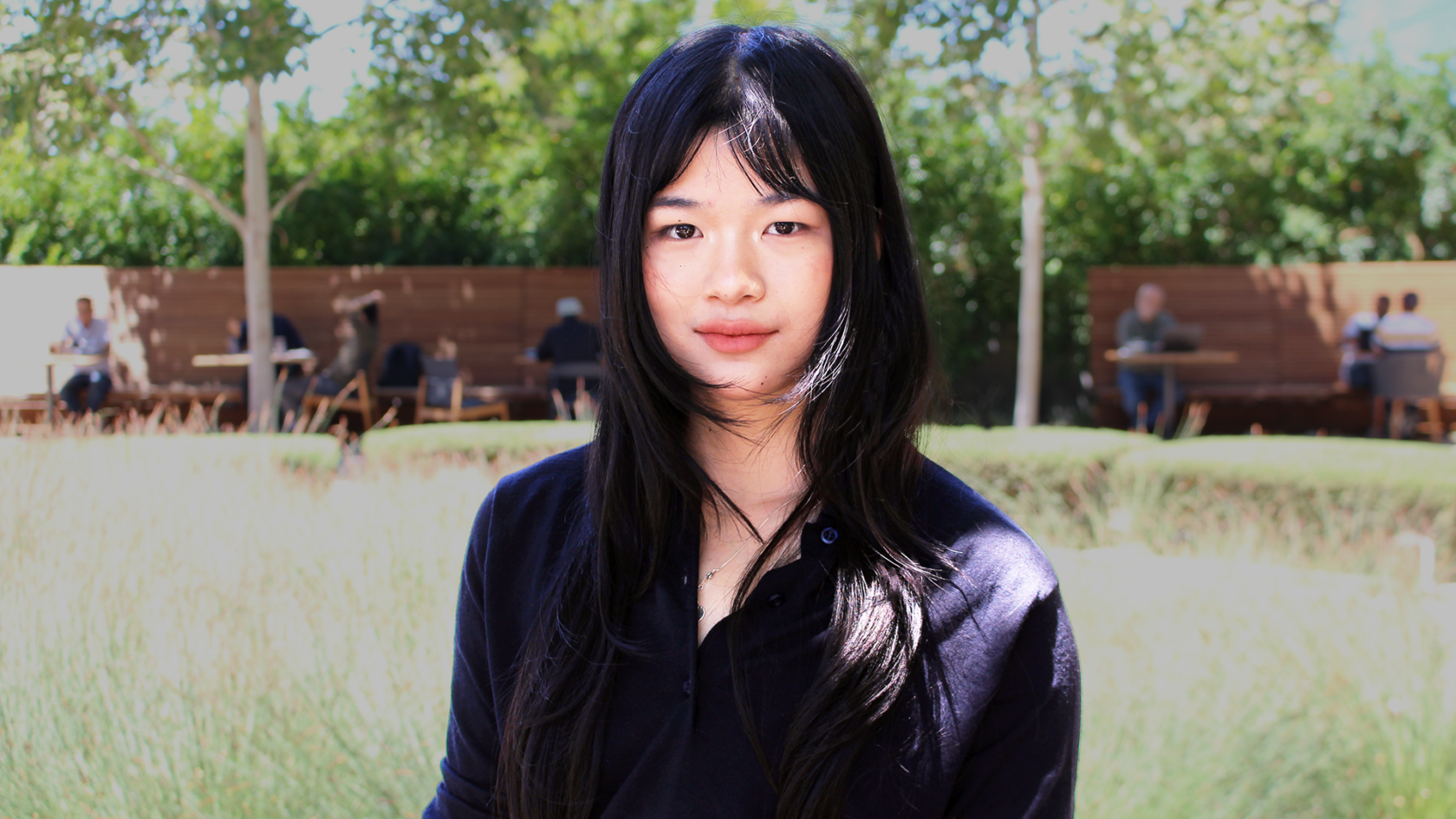 Angelina Hu, a rising junior at the University of Pennsylvania studying computer engineering, is on a team focused on performance optimization for physical AI platforms including NVIDIA Omniverse and NVIDIA Isaac.
Hu is helping accelerate and optimize the performance of robotics code for NVIDIA Isaac Lab so it runs faster and more efficiently.
“Isaac Lab is an open source platform, which means it’s for the entire robotics community. That includes researchers, developers, hobbyists and other companies, too,” Hu said. “Being able to work on that platform means my work contributes to the robotics community as a whole.”
Sanchez Supports System Design for NVIDIA LPU Accelerators
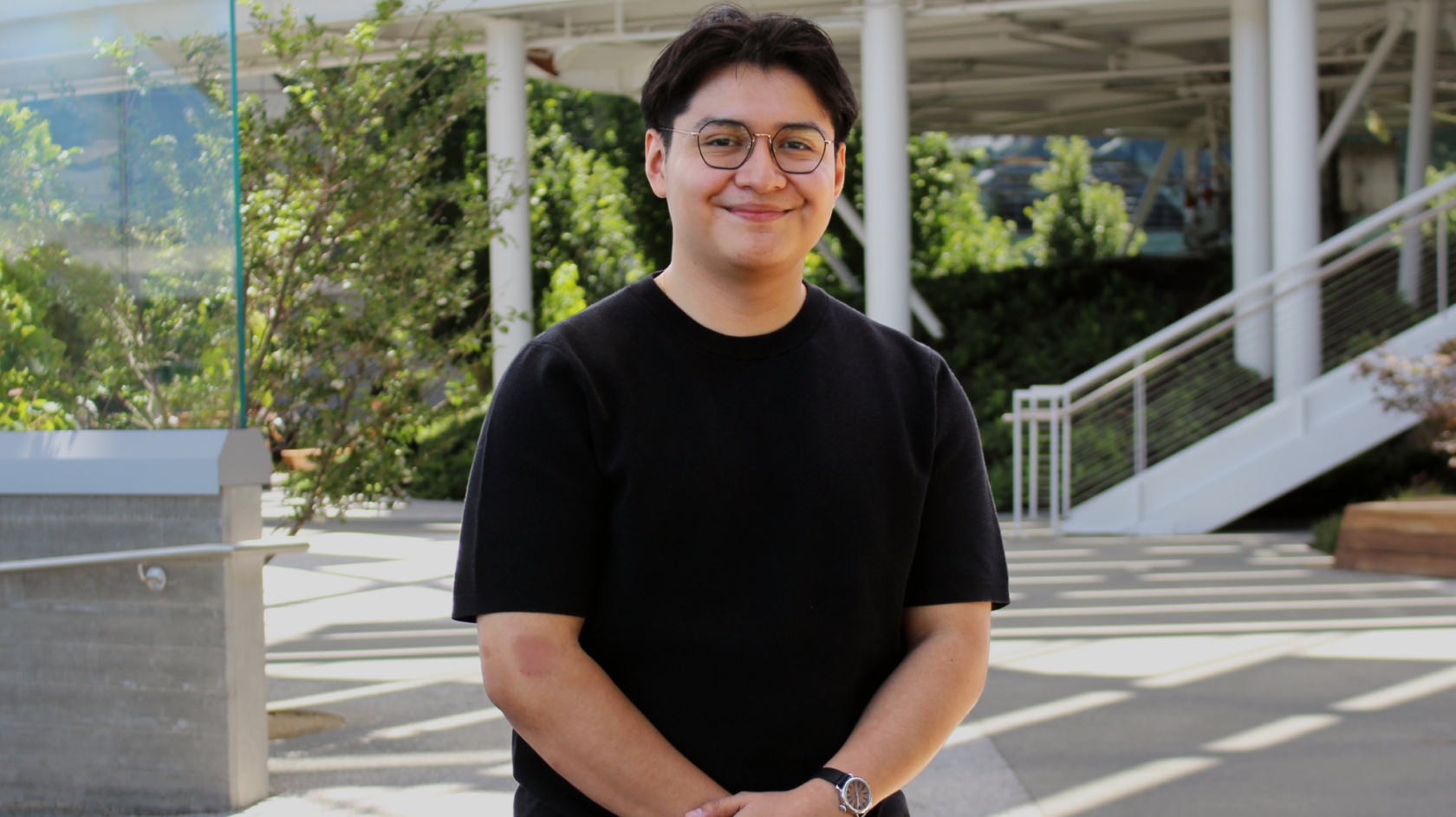
Mauricio Sanchez, a returning NVIDIA intern and incoming junior at Georgia Tech, is getting hands on with NVIDIA LPU accelerators on the system design team.
When new boards arrive, he helps with the bring-up process — seeing if it powers on and that everything is working as expected — as well as with board-level power sequencing and load stress testing.
“Validation really stuck out to me because of the physicality of the work I was doing,” Sanchez said. “I’m working with scopes, and the device is there in front of me as we’re finding issues or bugs and communicating that with the broader design team to improve the safety and efficiency of these systems.”
Gautam Applies AI to Enhance Video Games
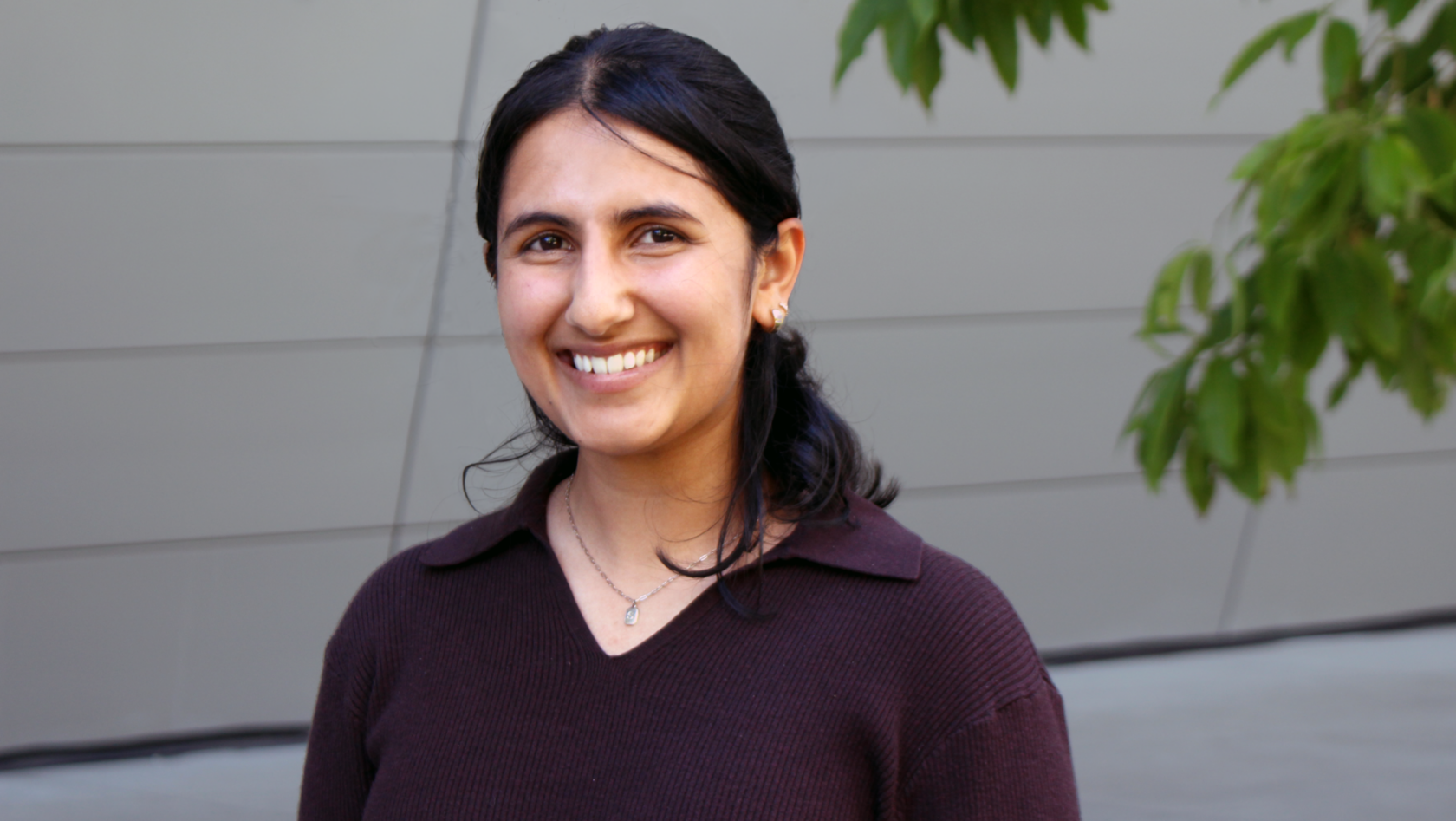
Shriya Gautam, an incoming graduate student in computer science and math at the University of Massachusetts Amherst, joined the AI for Experiences team this summer.
Her work focuses on client-side frame generation, which uses AI to generate additional frames in a video game based on a rendered frame input — multiplying the frame rate for a smoother visual experience.
“I have a newfound appreciation for how much work goes into these games and how much technical innovation has happened in the last few years,” Gautam said. “With the access to the compute clusters we have at NVIDIA, I learned things I wouldn’t have been able to before — there’s really no other place you can do these kinds of experiments.”
He Harnesses Multimodal AI for Healthcare Applications
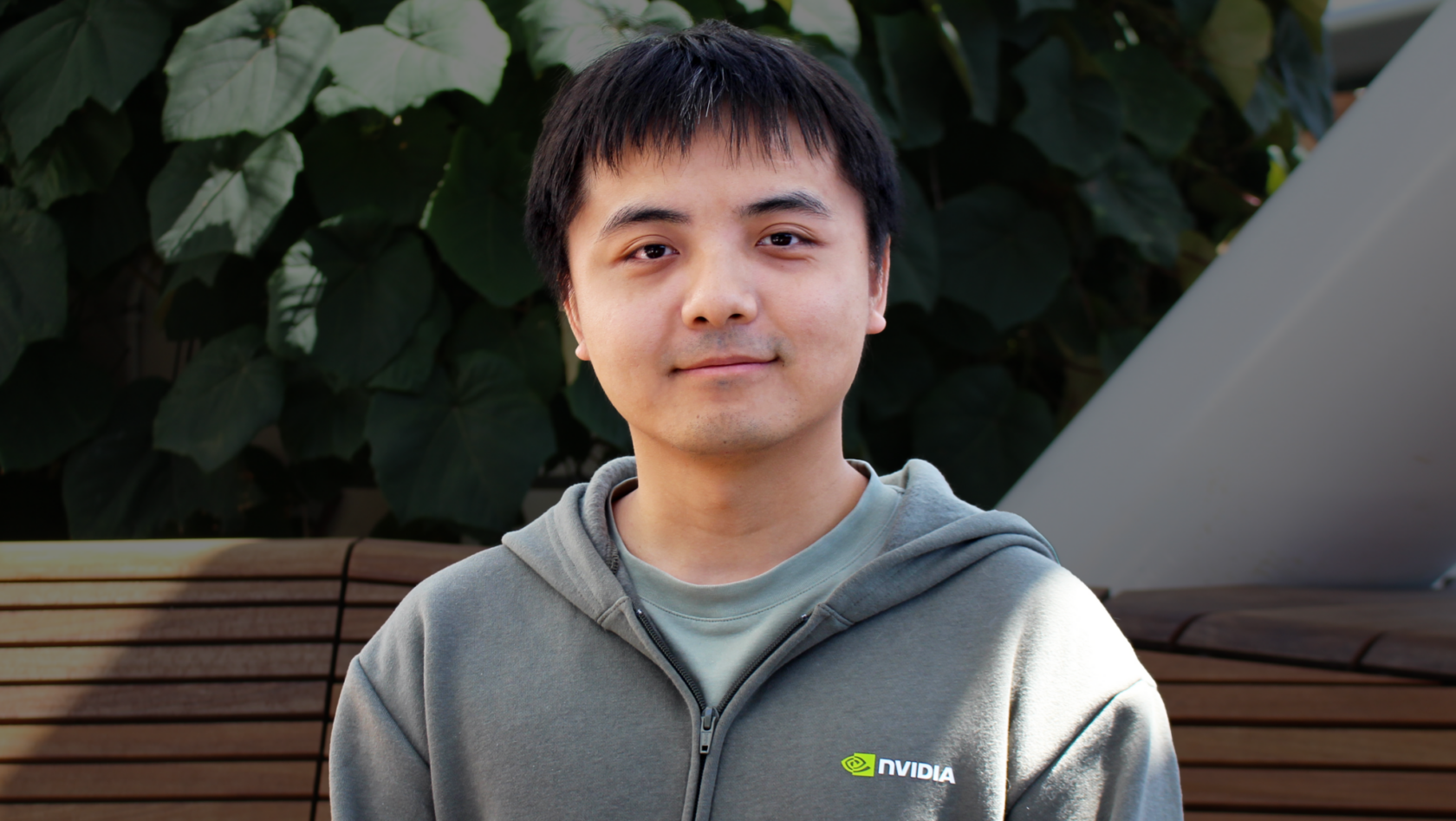
Yexiao He, a doctoral student in electrical and computer engineering at the University of Maryland, is developing a vision language system that can understand different kinds of medical data, including MRIs, X-rays and CT scans.
Based on open source models including NVIDIA Nemotron, the system He is working on is self-evolving — it learns from its past successes and mistakes to improve performance on tasks like analyzing medical scans.
“Medical AI combines two things I care about — building the most advanced AI systems and solving a problem that really has an impact on people’s lives,” He said. “We hope to make this self-evolving system more general so it works across many different modalities.”
Read more about NVIDIA’s internship program. Applications are accepted year-round.
Follow @nvidialife on Instagram and learn more about NVIDIA life, culture and careers.