country_code

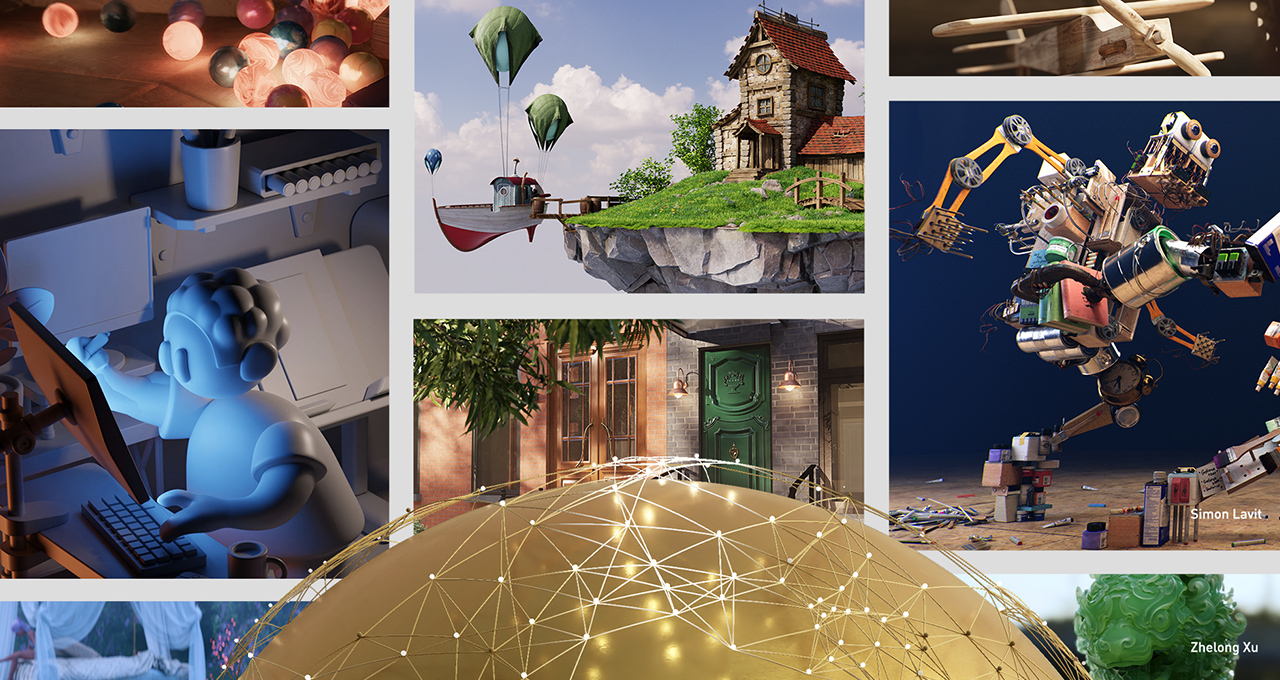
At GTC: NVIDIA RTX Professional Laptop GPUs Debut, New NVIDIA Studio Laptops, a Massive Omniverse Upgrade and NVIDIA Canvas Update

March Studio Driver optimizes NVIDIA Omniverse, Canvas, Blender Cycles and popular creative apps.
by

Digital artists and creative professionals have plenty to be excited about at NVIDIA GTC.

Impressive NVIDIA Studio laptop offerings from ASUS and MSI launch with upgraded RTX GPUs, providing more options for professional content creators to elevate and expand creative possibilities.

NVIDIA Omniverse gets a significant upgrade — including updates to the Omniverse Create, Machinima and Showroom apps; with an upcoming, imminent, View release. A new Unreal Engine Omniverse Connector beta is out now with our Adobe Substance 3D Painter Connector close behind.

Omniverse artists can now use Pixar HDStorm, Chaos V-Ray, Maxon Redshift and OTOY Octane Hydra render delegates within the viewport of all Omniverse apps, bringing more freedom and choice to 3D creative workflows, with Blender Cycles coming soon. Read our Omniverse blog for more details.

NVIDIA Canvas, the beta app sensation using advanced AI to quickly turn simple brushstrokes into realistic landscape images, has received a stylish update.

The March Studio Driver, available for download today, optimizes the latest creative app updates, featuring Blender Cycles 3.1, all with the stability and reliability NVIDIA Studio delivers.

To celebrate, NVIDIA is kicking off the #MadeInMachinima contest. Artists can remix iconic characters from Squad, Mount & Blade II: Bannerlord and Mechwarrior 5 into a cinematic short in Omniverse Machinima to win NVIDIA Studio laptops. The contest runs through June 27. Visit the contest landing page for details.

New NVIDIA RTX Laptop GPUs Unlock Endless Creative Possibilities

Professionals on the go have powerful new laptop GPUs to choose from, with faster speeds and larger memory options: RTX A5500, RTX A4500 , RTX A3000 12GB, RTX A2000 8GB and NVIDIA RTX A1000. These GPUs incorporate the latest RTX and Max-Q technology, are available in thin and light laptops, and deliver extraordinary performance.
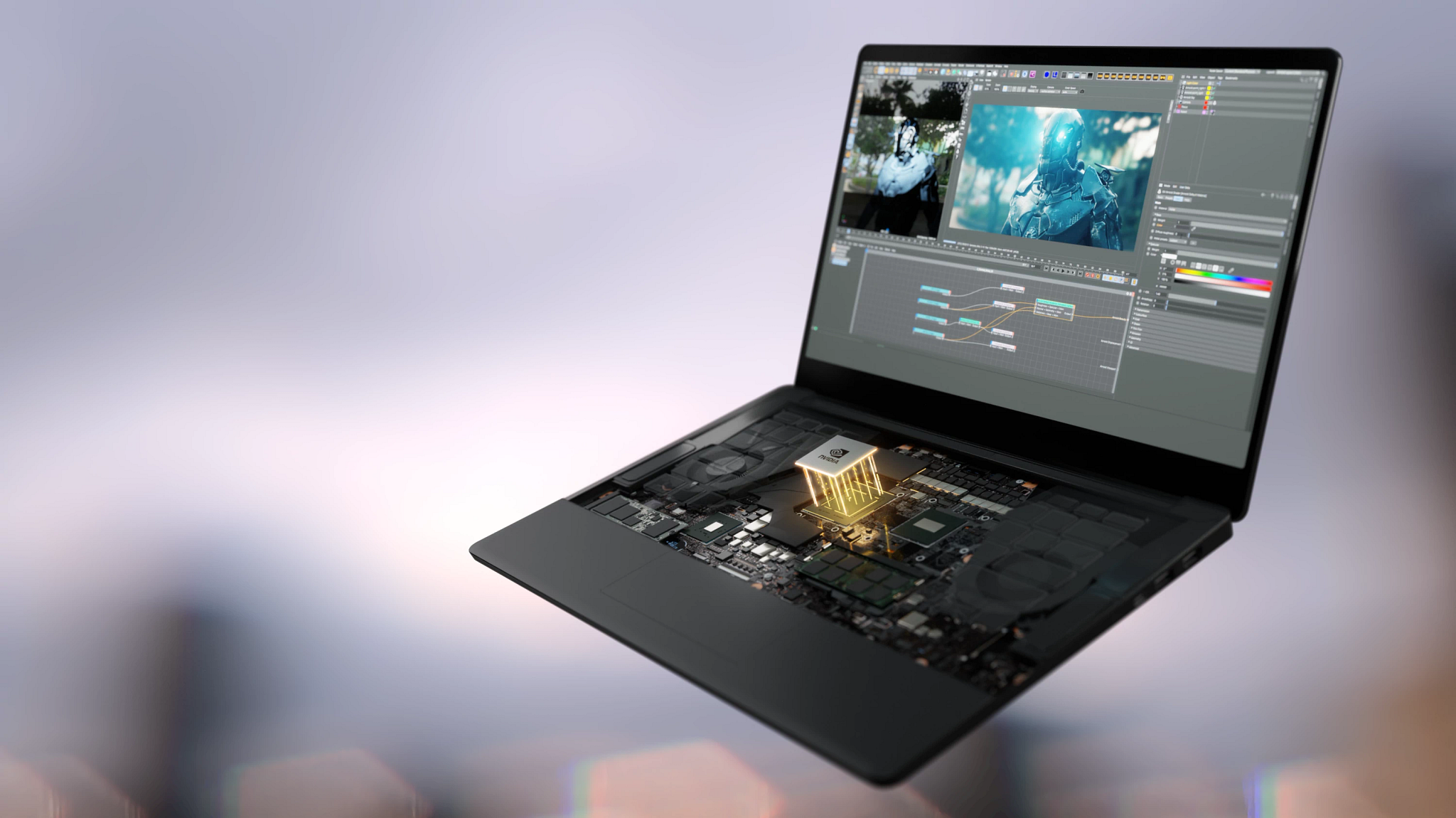
New NVIDIA RTX laptop GPUs tackle creative workflows enabling creation from anywhere.

Our new flagship laptop GPU, the NVIDIA RTX A5500 with 16GB of memory, is capable of handling the most challenging 3D and video workloads; with up to double the rendering performance of the previous generation RTX 5000.

The most complex, advanced, creative workflows have met their match.

NVIDIA Studio Laptop Drop

Three extraordinary Studio laptops are available for purchase today.

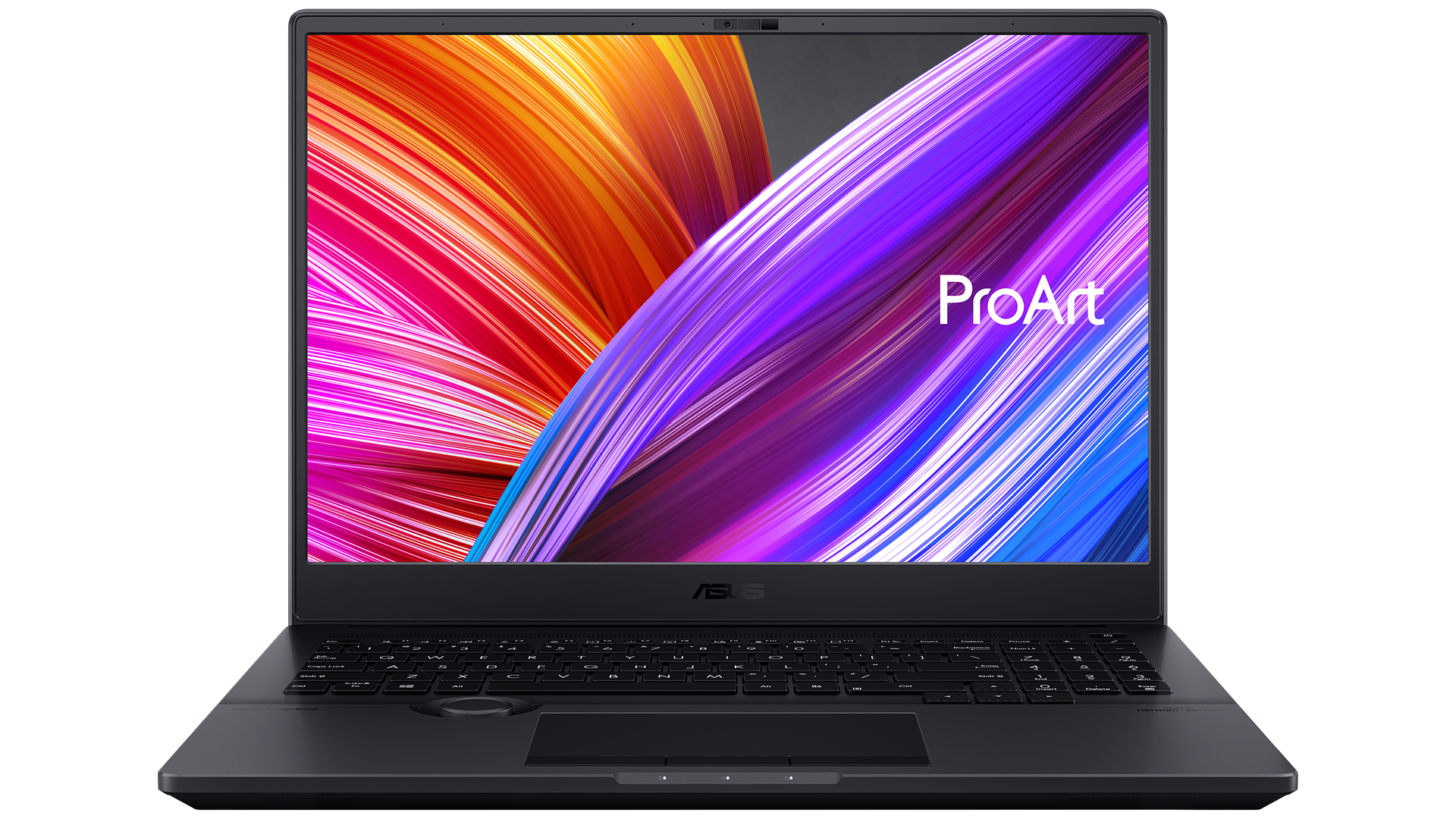
The ASUS ProArt Studiobook 16 is capable of incredible performance, and is configurable with a wide-range of professional and consumer GPUs. It’s rich with creative features: certified color-accurate 16-inch 120 Hz 3.2K OLED wide-view 16:10 display, a three-button touchpad for 3D designers, ASUS dial for video editing and an enlarged touchpad for stylus support.
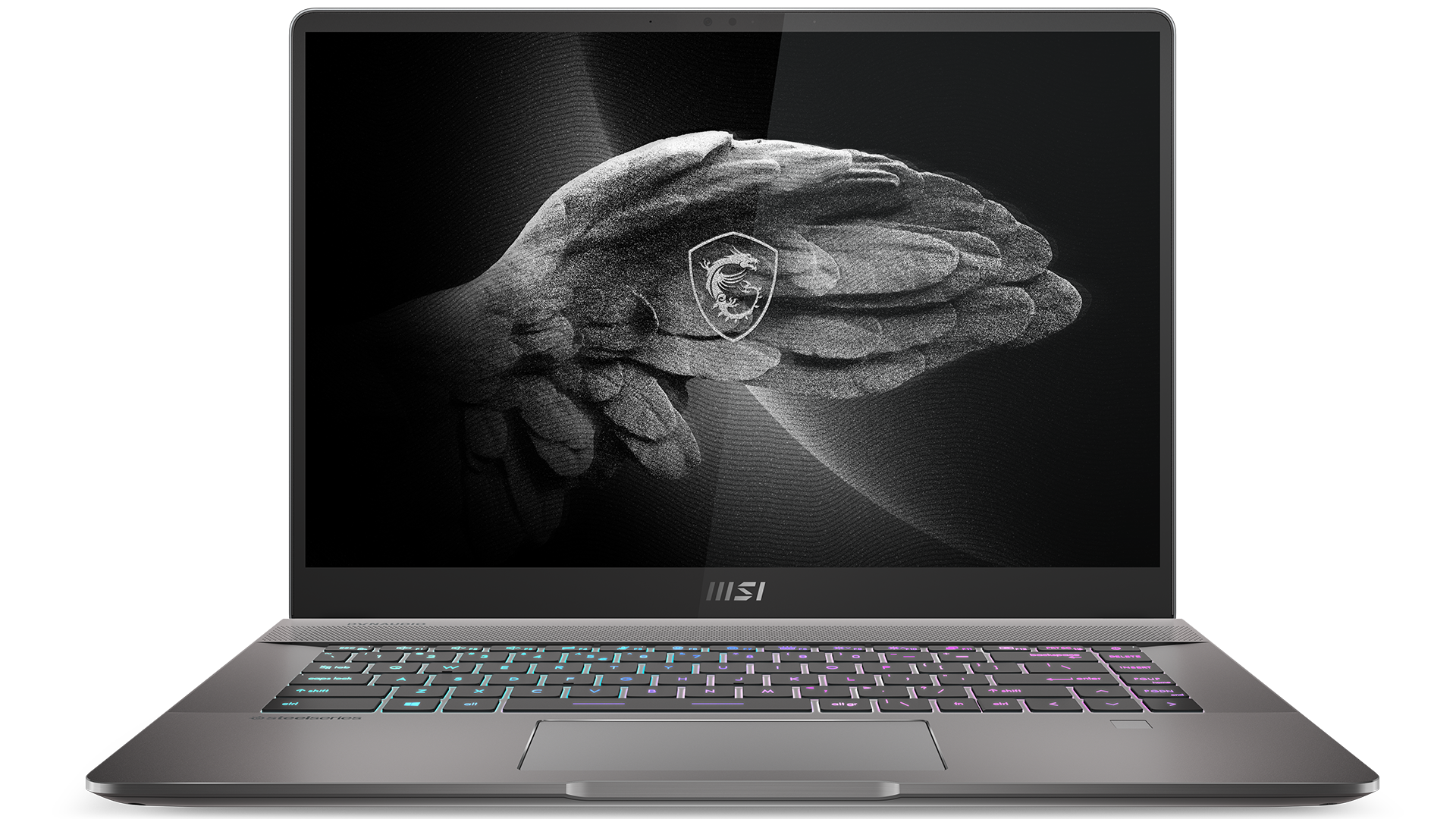
MSI’s Creator Z16P and Z17 sport an elegant and minimalist design, featuring up to an NVIDIA RTX 3080 Ti or RTX A5500 GPU, and boast a factory-calibrated True Pixel display with QHD+ resolution and 100 percent DCI-P3 color.
NVIDIA Studio laptops are tested and validated for maximum performance and reliability. They feature the latest NVIDIA technologies that deliver real-time ray tracing, AI-enhanced features and time-saving rendering capabilities. These laptops have access to the exclusive Studio suite of software — including best-in-class Studio Drivers, NVIDIA Omniverse, Canvas, Broadcast and more.

In the weeks ahead, ASUS and GIGABYTE will make it even easier for new laptop owners to enjoy one of the Studio benefits. Upgraded livestreams, voice chats and video calls — powered by AI — will be available immediately with the NVIDIA Broadcast app preinstalled in their Pro Art and AERO product lines.

To Omniverse and Beyond

New Omniverse Connections are expanding the ecosystem and are now available in beta: Unreal Engine 5 Omniverse Connector and the Adobe Substance 3D Material Extension, with the Adobe Substance 3D Painter Omniverse Connector very close behind, allowing users to enjoy seamless, live-edit texture and material workflows.

Maxon’s Cinema4D now supports USD and is compatible with OmniDrive, unlocking Omniverse workflows for visualization specialists.

Artists can now use Pixar HD Storm, Chaos V-Ray, Maxon Redshift and OTOY Octane renderers within the viewport of all Omniverse apps, with Blender Cycles coming soon. Be it refining 3D scenes or exporting final projects, artists can switch between the lightning-fast Omniverse RTX Renderer, or their preferred renderer with advantageous features.
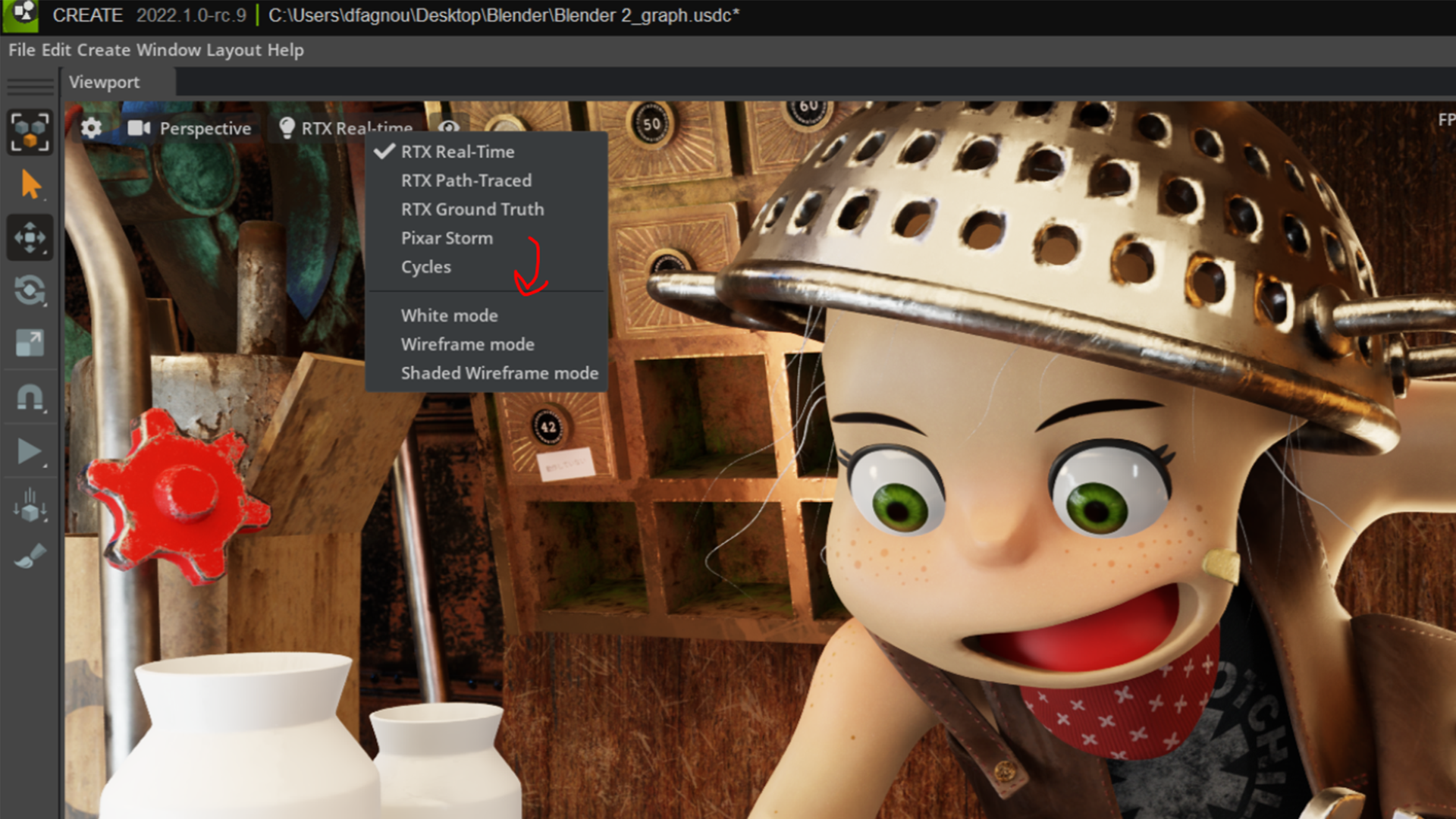
The Junk Shop by Alex Treviño. Original Concept by Anaïs Maamar. Note Hydra render delegates displayed in the renderer toggle menu.

CAD designers can now directly import 26 popular CAD formats into Omniverse USD scenes.

The integration of NVIDIA Maxine’s body pose estimation feature in the Omniverse Machinima app gives users the ability to track and capture motion in real time using a single camera — without requiring a MoCap suit — with live conversion from a 2D camera capture to a 3D model.

Read more about Omniverse for content creators here.

And if you haven’t downloaded Omniverse, now’s the time.

Your Canvas, Never Out of Style

Styles in Canvas — preset filters that modify the look and feel of the painting — can now be modified in up to 10 different variations.
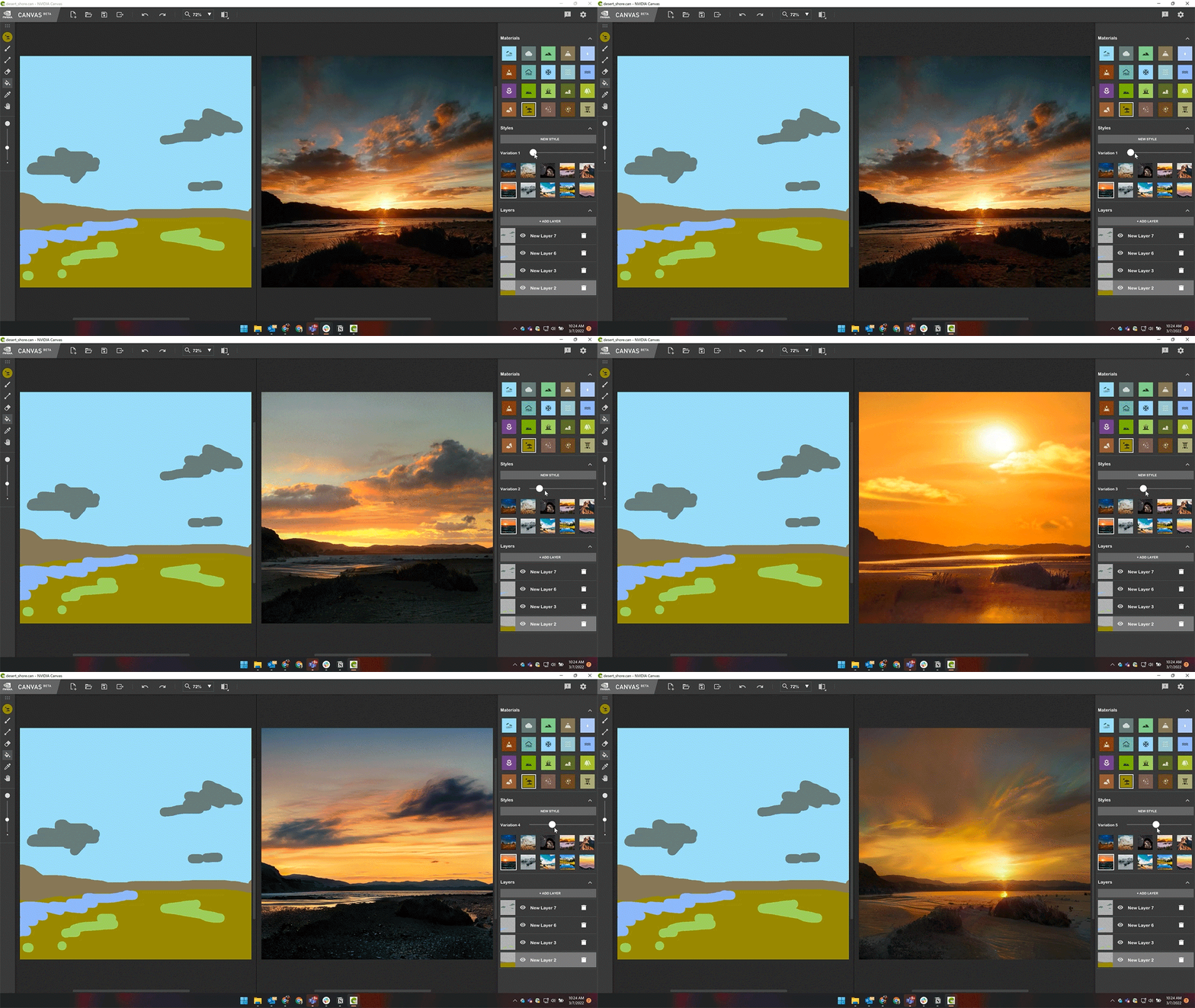
More style variations enhance artist creativity while providing additional options within the theme of their selected style.

Check out style variations; and if you haven’t already, download Canvas, which is free for RTX owners.

3D Creative App Updates Backed by March NVIDIA Studio Driver

In addition to supporting the latest updates for NVIDIA Omniverse and NVIDIA Canvas, the March Studio Driver also supports a host of other recent creative app and renderer updates.

The highly anticipated Blender 3.1 update adds USD preview surface material export support, making it easier to move assets between USD-supported apps, including Omniverse.

Blender artists equipped with NVIDIA RTX GPUs maintain performance advantages over Mac. Midrange GeForce RTX 3060 Studio laptops deliver 3.5x faster rendering than the fastest M1 Max Macbooks per Blender’s benchmark testing.

Performance testing conducted by NVIDIA in March 2022 with Intel Core i9-12900HK, 32GB RAM and MacBook Pro 16 with M1 Max, 32GB RAM. NVIDIA Driver 511.97.

Luxion Keyshot 11 brings several updates: GPU-accelerated 3D paint features, physical simulation using NVIDIA PhysX, and NVIDIA Optix shader enhancements, speeding up animation workflows by up to 3x.

GPU Audio Inc., with an eye on the future, paves the way into parallel processing power for audio solutions, introducing their inaugural, early-access NVIDIA GPU-based VST3, bringing the power of GPUs to customizable, low latency convolution reverb — an audio production game changer.

Download the March Studio Driver today.

On-Demand Sessions for Creators

Join the first GTC breakout session dedicated to the creative community.

“NVIDIA Studio and Omniverse for the Next Era of Creativity” will include artists and directors from NVIDIA’s creative team. Network with fellow 3D artists and get Omniverse feature support to enhance 3D workflows. Join this free session on Wednesday, March 23, from 7-8 a.m. Pacific.

It’s just one of many Omniverse sessions available to watch live or on demand, including the featured sessions below:

Themed GTC sessions and demos covering visual effects, virtual production and rendering, AI art galleries, and building and infrastructure design are also available to help realize your creative ambition.
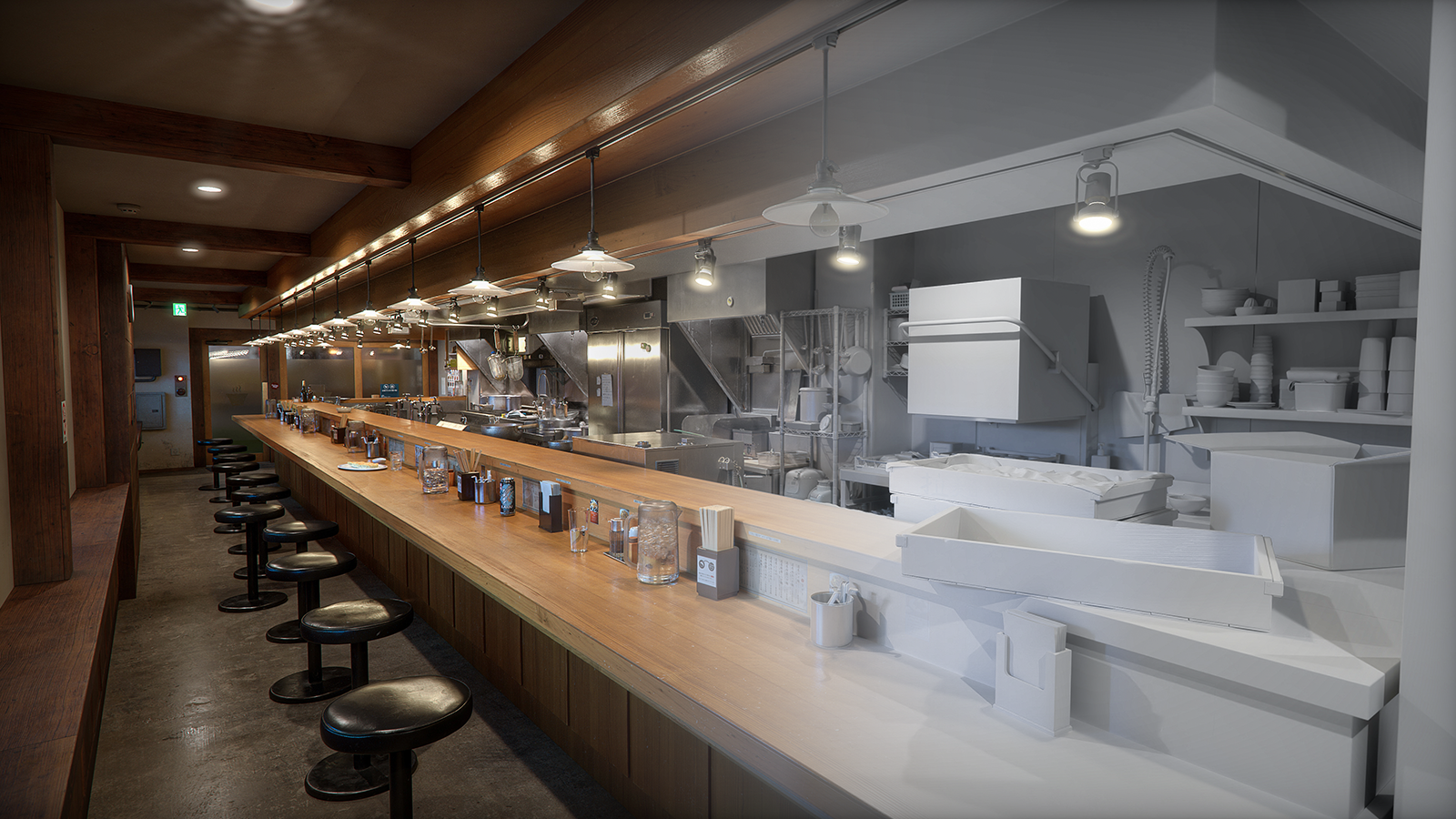
Real or rendered?

Also this week, game artists, producers, developers and designers are coming together for the annual Game Developers Conference where NVIDIA launched Omniverse for Developers, providing a more collaborative environment for the creation of virtual worlds.

At GDC, NVIDIA sessions to assist content creators in the gaming industry will feature virtual worlds and AI, real-time ray tracing, and developer tools. Check out the complete list.

To boost your creativity throughout the year, follow NVIDIA Studio on Facebook, Twitter and Instagram. There you’ll find the latest information on creative app updates, new Studio apps, creator contests and more. Get updates directly to your inbox by subscribing to the Studio newsletter.
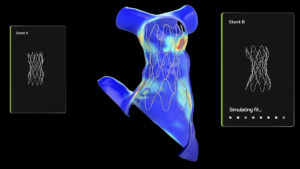
Heart of the Matter: How a Major Children’s Hospital Uses Open Source NVIDIA AI for Cardiac Care

Children’s Hospital of Philadelphia is using open source AI tools to model children’s hearts in seconds — with the goal of enabling safer, more precise care for kids with congenital heart disease.
by

From Enablement to Execution, Egypt’s AI Ecosystem Reaches Production Scale

AI factories are also coming online across South Africa, Morocco and Nigeria, enabling Africa’s developers and enterprises to reach production-scale compute onshore.
by

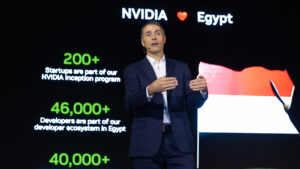
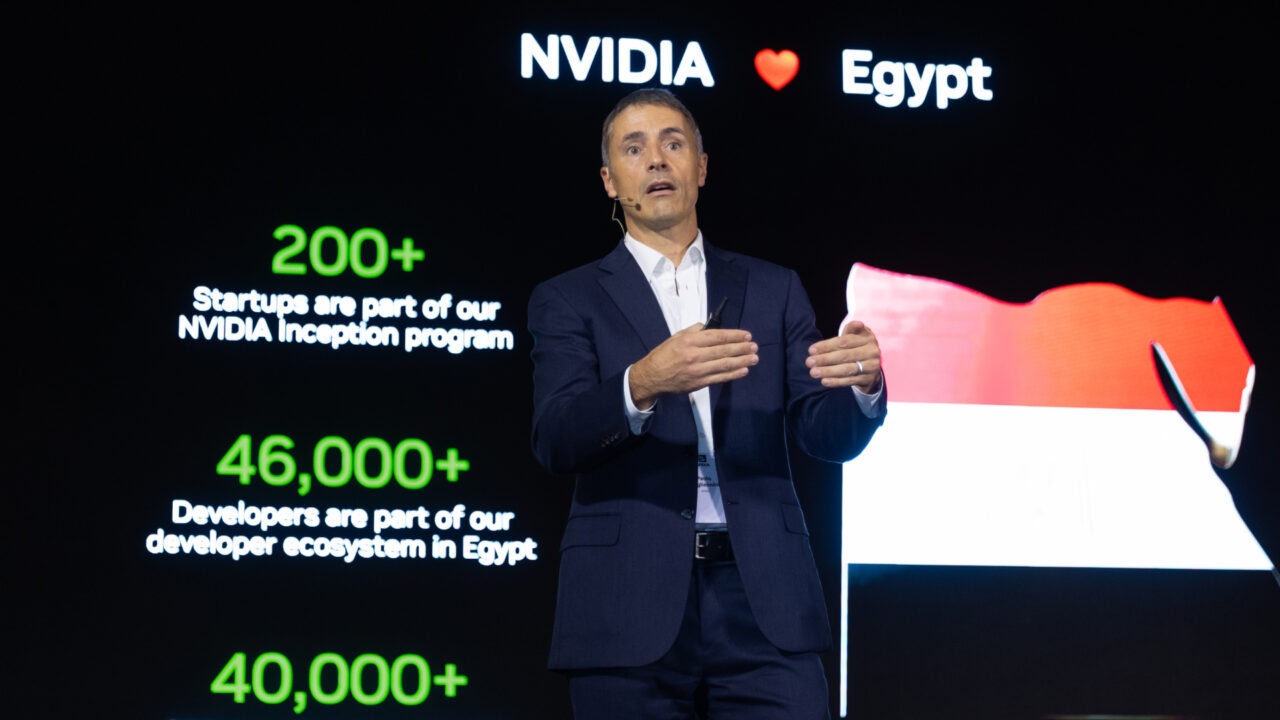
Today, Egypt’s AI builders gathered in the Grand Egyptian Museum for a reception that highlighted the nation’s rapidly growing AI ecosystem — spanning AI natives, developers, researchers, startups and enterprises — building applications across industries.

The event included a keynote from Paolo Guglielmini, vice president of EMEA at NVIDIA. Ahmed Mostafa, regional AI adoption lead for the Middle East and Africa at NVIDIA, delivered a session on “Why Accelerating Every Layer Matters,” exploring NVIDIA’s full-stack approach to AI development and deployment.

The event also featured a panel moderated by Basil Fateen, head of startups for the Middle East and Africa at NVIDIA, with participation from startups across smart spaces, healthcare, cybersecurity and robotics.

In Egypt, the NVIDIA Deep Learning Institute learner base grew more than tenfold in a single year. In June, the National Telecommunications Regulatory Authority of Egypt licensed Hassan Allam Data Centers to build and operate data centers in the country. Under that license, Hassan Allam Utilities and investment firm A15 agreed to develop a new data center, an estimated $400 million investment.

In addition, NVIDIA and A15 in July hosted an event connecting Egypt’s leading founders with NVIDIA’s global ecosystem. This has been complemented by recent startup and investor events in Egypt, including engagements with A15 and Plug and Play at the Creativa Innovation Hub at Sultan Hussein Kamel Palace, an affiliate of the Ministry of Communications and Information Technology.

Spanning a range of industries, members of the NVIDIA Inception program in Egypt include:

  • Aidera: A unified enterprise intelligence system that connects data, systems, workflows and operational touch points turning enterprise-wide signals into informed decisions, intelligent automation, coordinated execution and measurable impact.
  • Intella: Developing Arabic speech intelligence for applications across financial services, telecommunications and more.
  • Marses Robotics: Developing autonomous robotics and industrial automation technologies.
  • Proteinea: Combining AI protein design with lab experiments to develop differentiated medicines.
  • Stakpak: Developing an open source autonomous developer-operations AI agent.
  • Paymob and Thndr: Building better financial services through technology and AI. 

The NVIDIA VC Alliance has also expanded its presence in Egypt, with A15 and M Empire joining the program, connecting more local investors with NVIDIA’s global startup ecosystem. This momentum has been complemented by startup and investor events, including collaborations with RiseUp and Plug and Play, as well as Flat6Labs, a regional entrepreneurship platform supporting startups and innovation across emerging markets, and Algebra Ventures, a Cairo-based venture capital firm backing technology startups.

AI Growth Across Africa

The Egypt ecosystem event showed just a piece of Africa’s larger, growing AI ecosystem. 

For most of the past decade, conversations about Africa’s AI ecosystem revolved around “potential.” They centered on what the technology might do for the continent, rather than what the continent could build with it.

Africa is home to roughly 18% of the world’s population but less than 1% of the world’s data center capacity. This means African developers have often relied on cloud-based compute hosted outside the continent for large-scale AI training.

This is rapidly changing. Within a year, four AI factories have been announced or brought online across Africa, with another 656 megawatts of new capacity in the pipeline. These AI factories will provide African developers and enterprises with the accelerated computing infrastructure needed to train, fine-tune and deploy AI models closer to where data is created.

Cassava Technologies, Africa’s first NVIDIA Cloud Partner, is expanding access to NVIDIA accelerated computing through its AI factory in South Africa and planned deployments across Egypt, Kenya, Nigeria and Morocco — an investment that could reach $720 million. In Egypt, Cassava and Vodafone Egypt recently announced an AI factory initiative to provide businesses and government organizations with locally hosted AI infrastructure through GPU-as-a-service, supporting the development and deployment of AI applications while keeping data in-country. 

Building on Cassava’s first AI factory in South Africa, the rollout aims to expand access to local accelerated computing, helping developers, enterprises and researchers train, customize and deploy AI models closer to where their data is created.

Similarly, Stratos Lab, a South African AI neocloud provider, is partnering with ECOBLOX and Digital Parks Africa to launch an AI cloud powered by more than 50 NVIDIA HGX B300 systems — delivering over 7 exaflops of performance. The deployment gives African enterprises and developers access to high-performance GPU compute locally, enabling model training, inference and agentic AI workloads with lower latency and at reduced costs.

And at GITEX Africa in Marrakech in April, Nexus Core Systems announced a collaboration with Morocco’s Ministry of Digital Transition, its Ministry of Investment and the investment agency AMDIE to build the Nexus AI factory outside Casablanca: a $1.2 billion initial investment with 500 megawatts planned, NVIDIA Blackwell accelerated computing and renewable power from TAQA Morocco.

The Demand Was Already There

Infrastructure of this kind is not based on mere potential — it’s based on confidence that local developers and enterprises are ready to put the infrastructure to productive use.

In 2024, NVIDIA set a target of training 100,000 developers across Africa through the NVIDIA Deep Learning Institute within three years. To date, NVIDIA’s trained over 85,000 developers in Africa, and the continent is among NVIDIA’s fastest-growing developer regions — Nigeria is now the institute’s second-largest market globally.

InstaDeep joined NVIDIA Inception in 2017 as a small team in Tunis using its first NVIDIA DGX system. Since then, it’s developed drug discovery, protein design and logistics optimization applications, and was acquired by BioNTech for about $680 million.

Africa accounts for roughly a third of the world’s languages, often invisible to frontier models. To help advance African language models, language model lab Lelapa AI built InkubaLM and the Vulavula speech service for South African languages including isiZulu and Sesotho.

MeetKai, for example, an NVIDIA Inception member, is expanding its work in Egypt with Smart Africa, building its AI stack on NVIDIA technology as part of its plans for the market. The company is among a growing group of AI innovators using NVIDIA technology to build and scale across Africa.

And there’s still much room to grow. McKinsey puts African data center demand at roughly 0.4 gigawatts today, and estimates it will rise to between 1.5 and 2.2 gigawatts by 2030, which requires between $10 to $20 billion in construction.

Learn more about the NVIDIA Developer Program, NVIDIA Inception and NVIDIA Deep Learning Institute.  

  • Categories:
  • AI

5 Companies Using NVIDIA AI for Clean Energy

From fast-tracking fusion to repurposing recycled EV batteries for energy storage, these clean energy innovators are harnessing AI to help build a lower carbon grid.
by

Clean energy isn’t hard to come by, but the pace of large-scale adoption has historically been slow due to bottlenecks — including out-of-date infrastructure, elongated research and development timelines, and upfront cost barriers. 

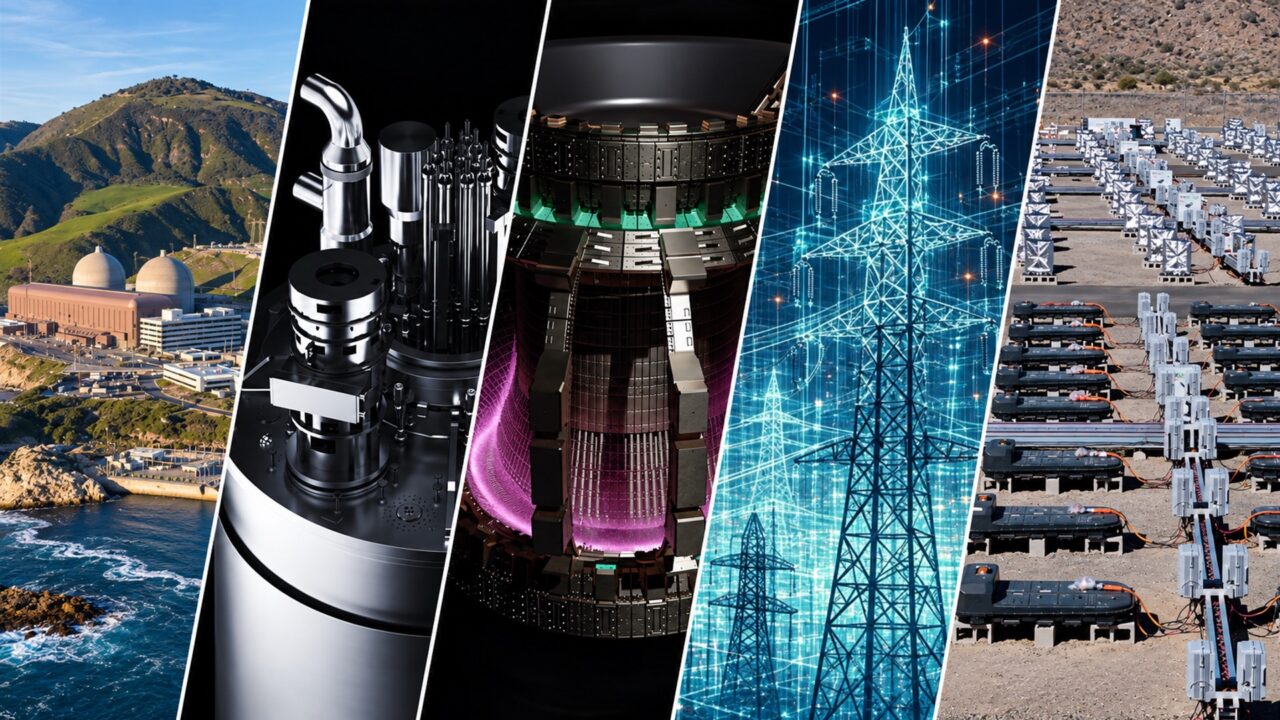
At New York Climate Week, NVIDIA is highlighting five companies pioneering clean energy projects with AI baked into their foundation, accelerating research-to-inception pipelines and ultimately helping build a low carbon grid. 

ThinkLabs AI Drives Toward An Autonomous Grid With Digital Twins

ThinkLabs AI is curating digital twins and agents — using the NVIDIA CUDA platform — to speed up interconnection timelines, seamlessly integrate clean energy sources and optimize the grid to handle ongoing variability. 

“The grid is getting less and less certain, so the ability to see things not statically, but as a probability — hence all the utility actions — should be risk informed,” said Josh Wong, founder and CEO of ThinkLabs, a member of the NVIDIA Inception program for cutting-edge startups. “That hits not just reliability objectives, but also affordability, so we know how to maximize and optimize investments.” 

Southern California Edison used ThinkLabs software to reduce the time required to evaluate each grid interconnection application from 30-45 days to just two minutes.

The speedup came from a ThinkLabs agent that runs grid simulations and identifies solutions to interconnection barriers. 

Atomic Canyon’s AI Platform Helps Redefine Operations in the Nuclear Sector 

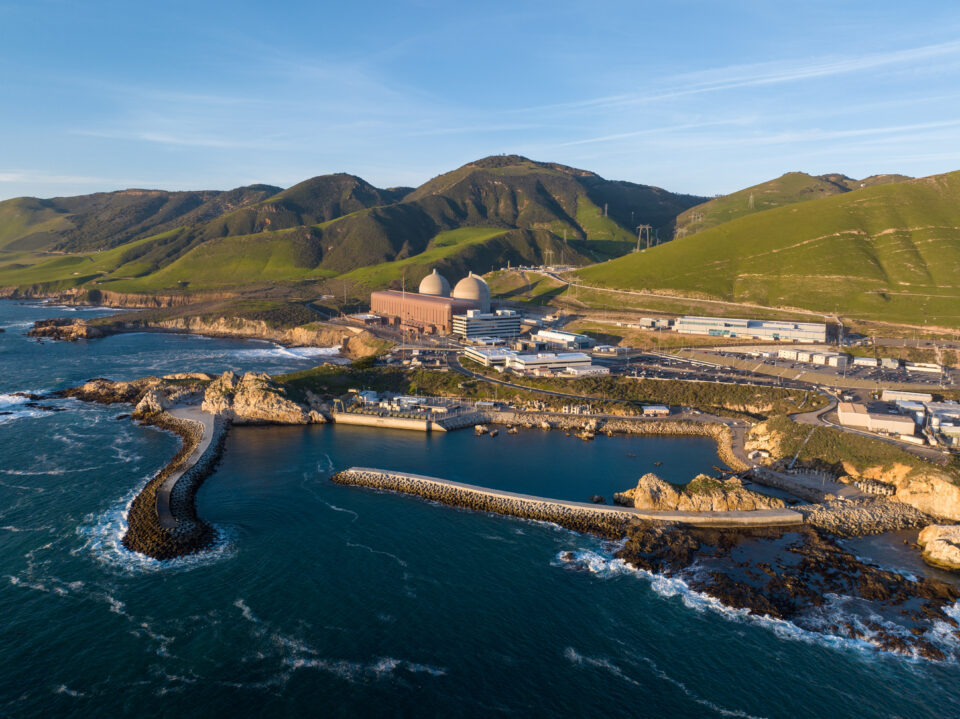
PG&E’s Diablo Canyon, optimized by Atomic Canyon

Atomic Canyon, another NVIDIA Inception member, is bringing AI-powered knowledge management and assistance to reactor operators with its NVIDIA accelerated compute-powered Neutron and NIVA platforms to streamline nuclear power plant operations.  

Neutron acts as an AI workbench built for nuclear professionals. It turns all of their  procedures, regulatory guidance, operating experience, licensing records, design  calculations, and structured and unstructured data into a knowledge layer.  

NIVA, short for Nuclear Industry Virtual Assistant, was built with the Institute of Nuclear  Power Operations, Electric Power Research Institute and the Nuclear Energy Institute as a unified platform bringing AI-powered capabilities to the national nuclear fleet.  

“Nuclear is a known technology we’ve been doing for 50 to 60 years, but the way we’ve  been doing things simply will not scale to meet the moment that’s in front of us; it needs to be reinvigorated by artificial intelligence,” said Trey Lauderdale, founder and CEO of Atomic Canyon.

Redwood Materials’ Repurposed EV Batteries Power AI Without Waiting on the Grid

Electricity demand from AI is accelerating faster than new grid infrastructure can be built, leading to a bottleneck in the industry’s growth. 

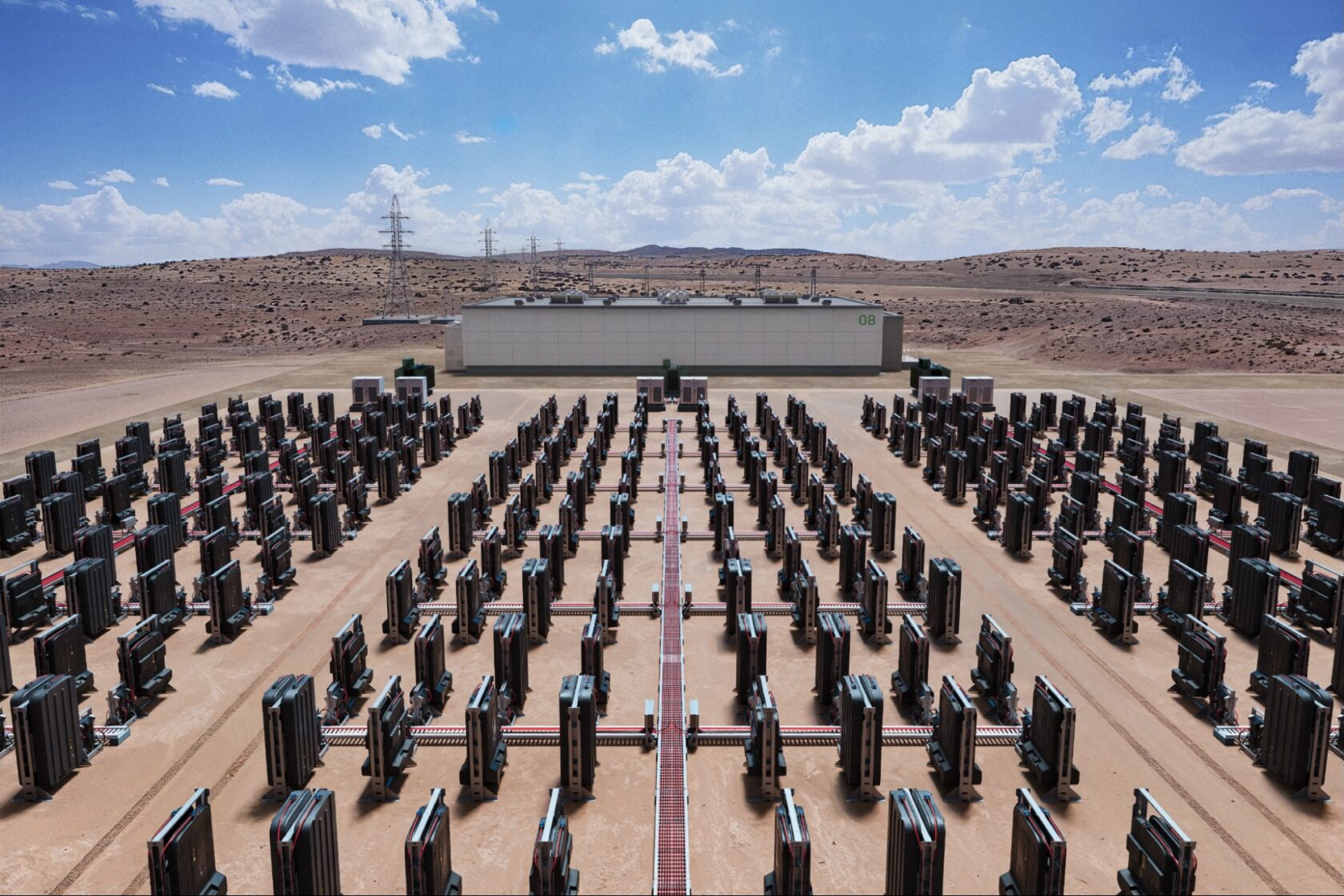
Redwood Materials is closing that gap by harnessing its expertise in battery engineering, power electronics and systems design to build large-scale, off-grid power solutions for AI factories — enabling new capacity to come online in months rather than years.

These 100%-recycled electric vehicle batteries are firming up power suppliers by acting as onsite energy storage to create a secure, flexible energy system for AI factories and the national grid at large. 

The batteries are integrated into existing clean energy infrastructure with an AI intelligence layer — running on the NVIDIA Blackwell platform — that makes the system hypervigilant and adaptable to the real-time energy needs of the data center it’s supplying power to. 

This approach also lowers the cost of power. Redwood’s simplified architecture — built on in-house power electronics — requires far fewer transformers and inverters, eliminates the need for an uninterruptible power supply, and can deploy repurposed or new electric vehicle batteries.  

“Using these batteries with our power electronics and systems control software, you can make a highly responsive power source that can deal with the novel fluctuations of AI training,” said Colin Campbell, chief technology officer of Redwood Materials, another NVIDIA Inception member.

TerraPower’s Natrium Reactor Sets New Standard for Safe, Sustainable Nuclear Power

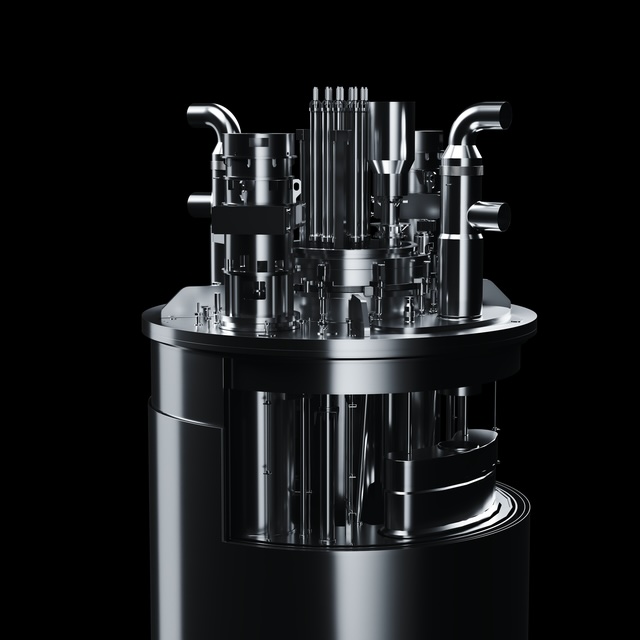
TerraPower Natrium Reactor

Nuclear energy currently powers 20% of the nation’s electricity. TerraPower is working to make sure that more power is safe, sustainable and quickly harnessable through its emission-free Natrium reactor.

“Twenty years ago, our founders, including Bill Gates, realized that emissions avoidance should also be a part of this energy solution,” said Chris Levesque, president and CEO of TerraPower. 

TerraPower is connecting an NVIDIA Omniverse-powered platform to create digital twin software that will support its efforts to accelerate the siting and delivery of future plants from years to months. 

Natrium reactors have a unique design that separates them from traditional nuclear power; they’re cooled with liquid metal sodium instead of water — allowing them to operate at a lower pressure, equivalent to atmospheric pressure. This reactor doesn’t require offsite water or electricity to keep it stable — in the event of an emergency, it can keep itself cool without any intervention. 

Commonwealth Fusion Systems Creates Fusion Energy Ready for the Grid

Fusion energy is poised to join the clean energy stack in the 2030’s, thanks to Commonwealth Fusion Systems (CFS).  

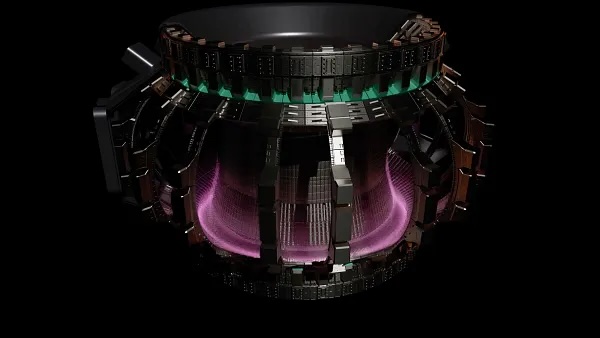
With the help of NVIDIA Omniverse libraries and OpenUSD, CFS is compressing years of experimentation into weeks for its SPARC tokamak demonstration fusion machine, which can successfully replicate the sun’s power source on Earth.   

Fusion energy is a carbon-free, safe source of power.   

“With fusion, there’s no running out of control,” said Brandon Sorbom, cofounder and chief science officer of CFS. “It is passively safe, since the default mechanism is shutting itself down.”   

Using high-temperature superconductors, CFS enables stronger magnetic fields than previous fusion systems.   

These magnets allow SPARC’s design to be 40x smaller and, by extension, cheaper to build and operate. The company’s ARC power plant — the first of which will be built in Chesterfield County, Virginia, and will connect to the grid in the 2030s — is more than 10x smaller.   

“We will be able to build a first-of-its-kind plant that will be cost-competitive with both renewable and nonrenewable sources of energy,” said Sorbom. 

Explore more NVIDIA-powered sustainability use cases.

  • Categories:
  • AI