country_code

NVIDIA Lands in Europe for GTC Berlin

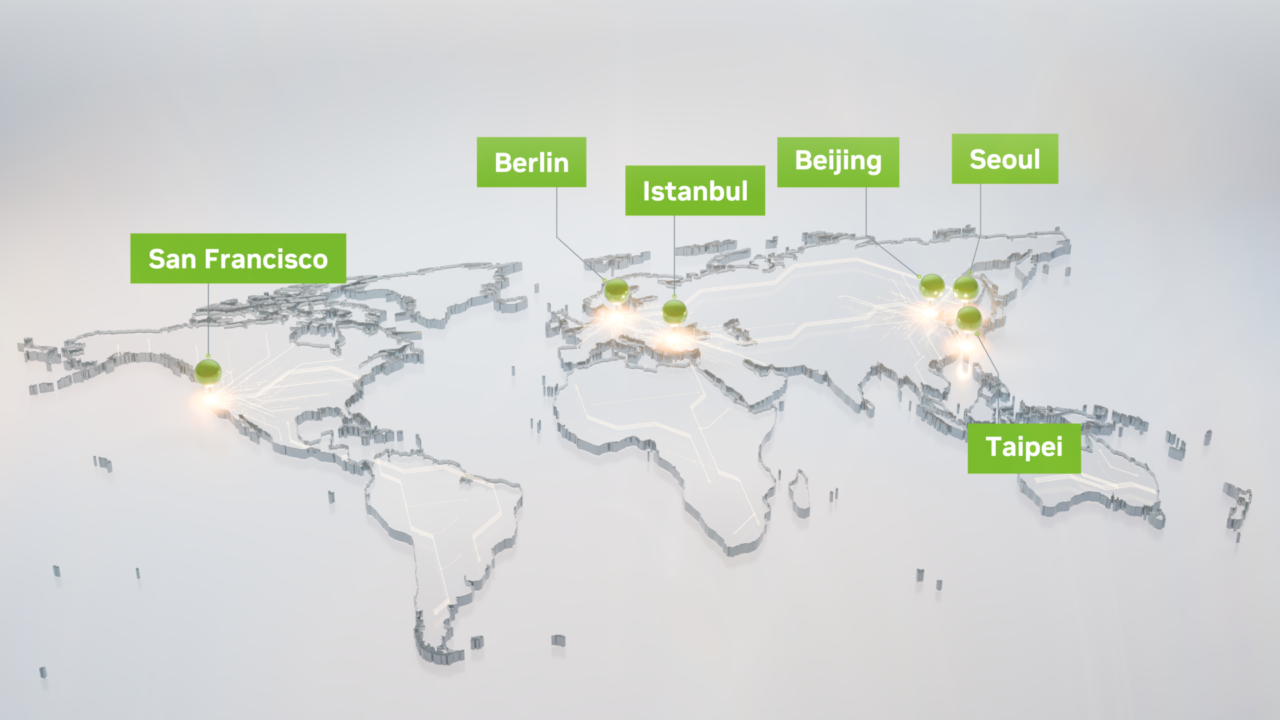
NVIDIA is in Europe, showcasing the future of technology together with the region’s developers, researchers and industry leaders. It all leads up to NVIDIA GTC Berlin, taking place October 20-22.

This is the place to find the latest — stay tuned for rolling coverage of the events and news.

October 12 – 24, 2026 by

Map of Europe in gold on black background
Reading Time: 38 mins

Germany Wants to Lead the World in Industrial AI: How NVIDIA Will Help (opens in a new tab)

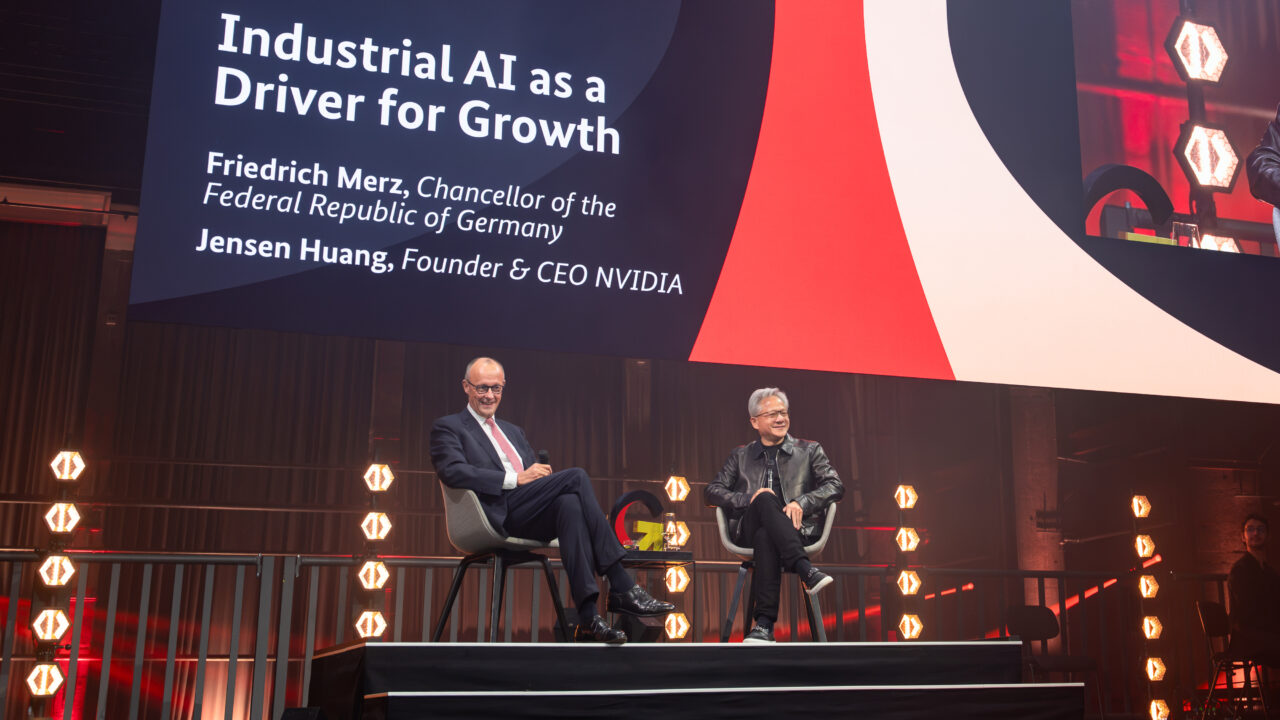
In the cavernous hall of Kraftwerk, a former power station in Berlin, German Chancellor Friedrich Merz and NVIDIA founder and CEO Jensen Huang sat down to discuss Germany’s AI roadmap, and in particular, the industrial applications of AI.

Huang opened by tracing NVIDIA’s longstanding relationship with German industry, beginning with gaming systems, workstations and automotive design in the early 2000s and leading to today’s partnerships in autonomous vehicle development and digital twins for manufacturing.

The conversation focused on how Germany can make the most of the AI revolution by playing to its strengths in manufacturing and automotive — and by encouraging AI adoption across the country’s ecosystem of small and medium-sized companies.

Read more: Germany Wants to Lead the World in Industrial AI: How NVIDIA Will Help (opens in a new tab)

NVIDIA Advances Agentic Security for Media, From European Public Service Broadcasting to Global Content Production (opens in a new tab)

At a creative industry event that took place today in Berlin — hosted in collaboration with Adobe, Bertelsmann, NVIDIA and UFA — the latest advancements in intelligent media were on display.

Key to the news: the European Broadcasting Union (EBU) is collaborating with NVIDIA to expand its sovereign framework with cloud, open models and integration partners, while Adobe Frame.io is accelerating video agent search capabilities with NVIDIA GPUs, helping German TV and film producer UFA find the right moments faster.

Read more about both announcements below.

Read more: NVIDIA Advances Agentic Security for Media, From European Public Service Broadcasting to Global Content Production (opens in a new tab)

Siemens and NVIDIA Put Industrial AI to Work in Erlangen

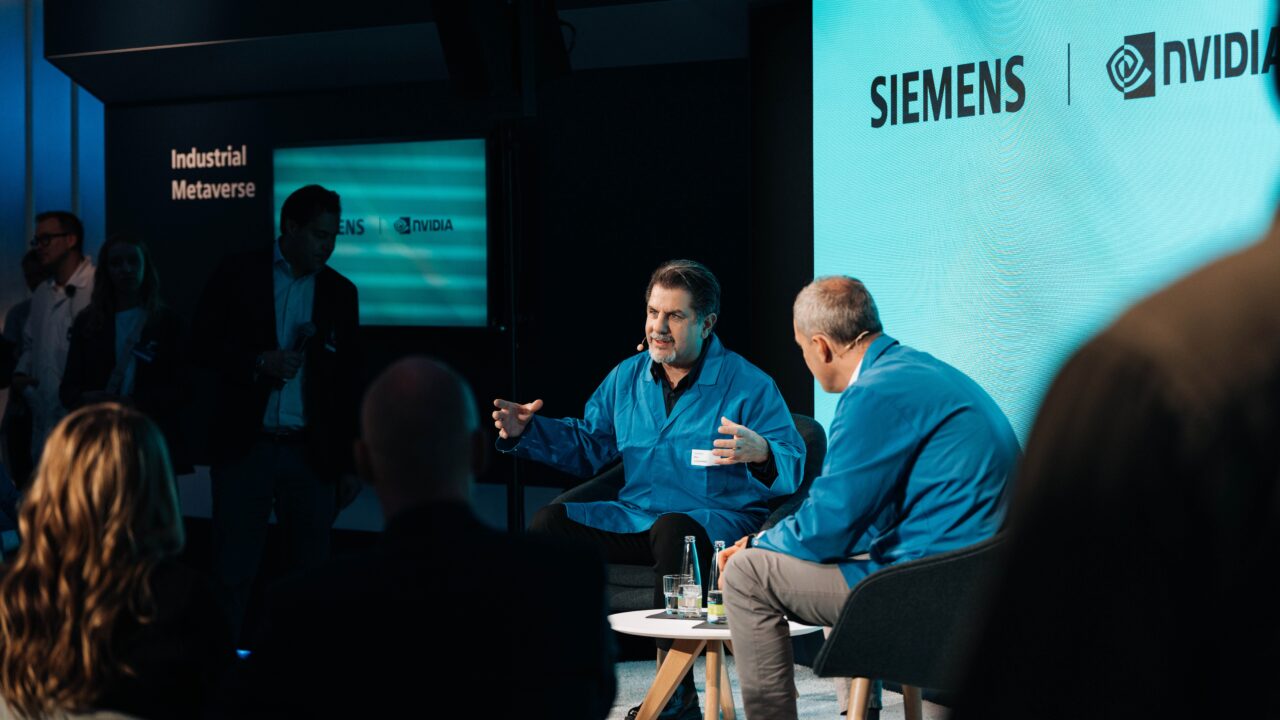
At the Siemens Electronics Factory in Erlangen, Germany, Siemens and NVIDIA are showing how AI and simulation can help manufacturers adapt to changing orders and get to production faster.

NVIDIA’s Rev Lebaredian, Kari Briski and Deepu Talla joined Siemens’ Cedrik Neike, Rainer Brehm and Mark Hindsbo for a tour of the factory to explore new industrial AI applications.

For factory planners, that starts with a familiar challenge: an urgent order arrives when the production schedule is already full. Siemens Intelligence Center X agents, built with the NVIDIA Factory Operations Blueprint, use factory data and planning tools to recommend options. They compare available materials, line capacity, delivery commitments and the time and cost of switching between products, helping planners understand how prioritizing one order could affect others.

Teams can test proposed changes in a digital twin while the real production line keeps running. The production controller reviews the trade-offs and approves the plan before the agent applies permitted changes through the connected planning system.

The collaboration also extends to circuit-board inspection. Siemens’ Teamcenter and Process Preparation X software work with NVIDIA Cosmos to create a virtual “golden board” and synthetic images of good and defective boards. These help prepare inspection systems before physical boards are produced, with the project targeting up to 85% less manual engineering effort in generating inspection programs.

The factory has around 1,000 production employees. Siemens is also investing €500 million into its Erlangen Technology Campus, expanding development and manufacturing capabilities and establishing the location as a hub for industrial AI and digital twins.

RTX Spark Ignites Global Celebration as New Windows PCs Arrive (opens in a new tab)

NVIDIA RTX Spark laptops are now available, bringing NVIDIA Blackwell RTX graphics, up to 128GB of unified memory and the full NVIDIA AI platform to slim, premium Windows PCs.

Starting at $2,399, laptops from ASUS, Dell, HP, Lenovo, Microsoft and MSI bring powerful local AI, content creation and gaming capabilities to a portable device, with additional systems on the way.

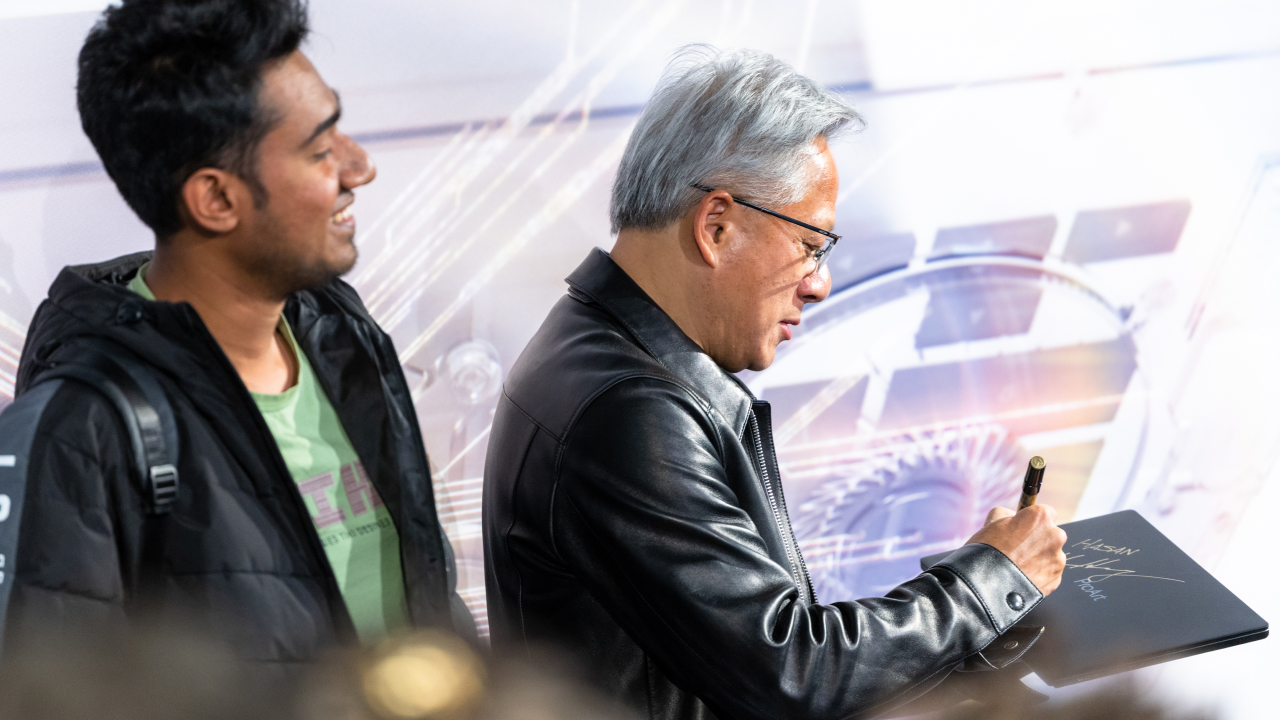
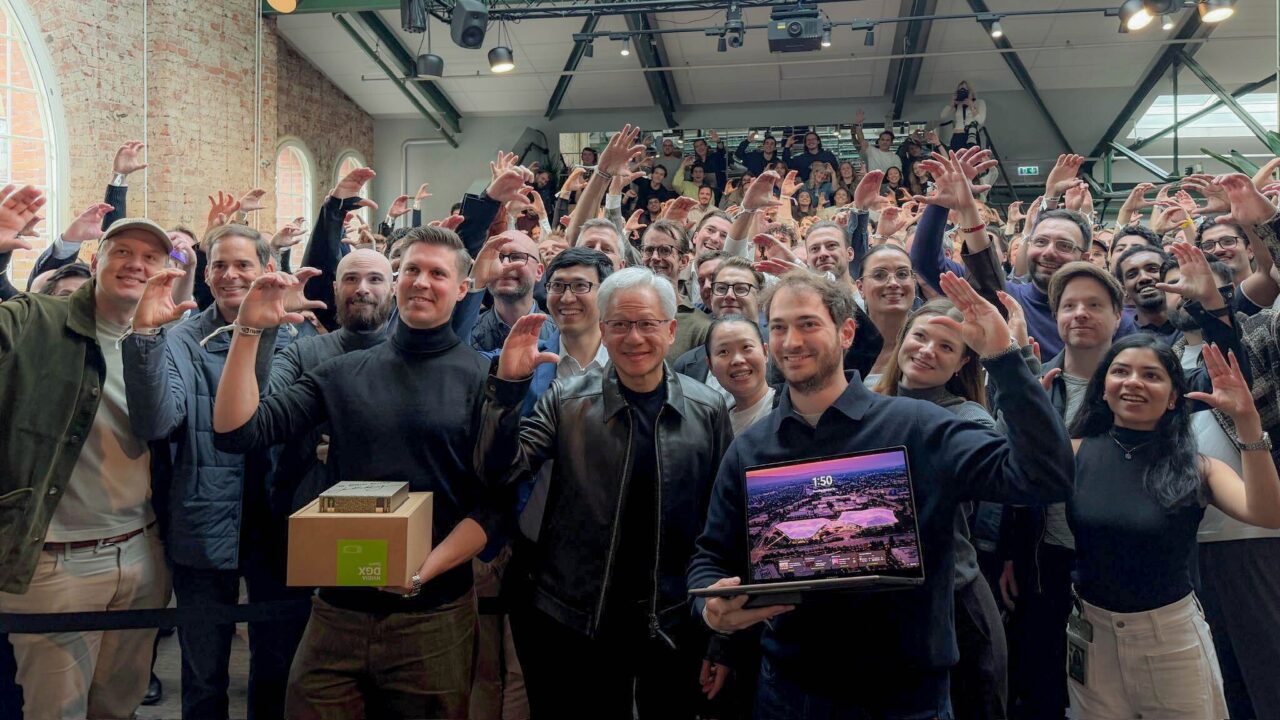
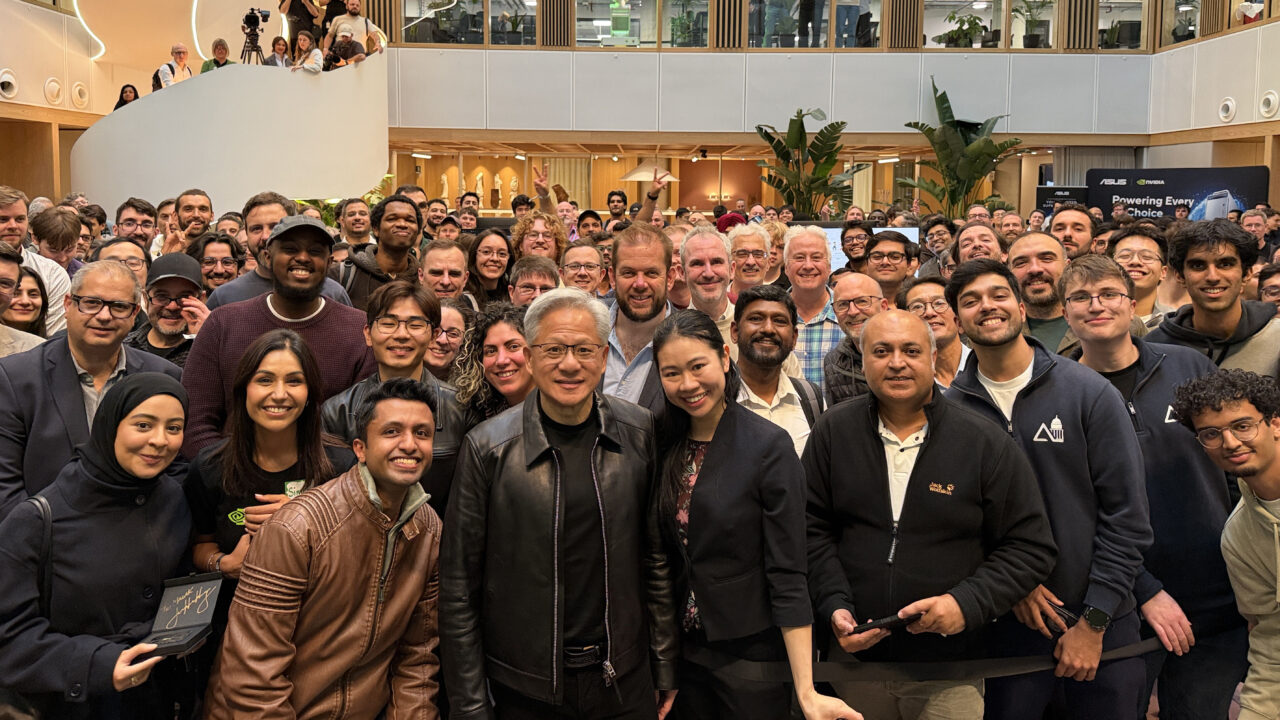
NVIDIA celebrated the launch with events around the world, including one in Berlin, where NVIDIA founder and CEO Jensen Huang made a surprise appearance.

Read more: RTX Spark Ignites Global Celebration as New Windows PCs Arrive (opens in a new tab)

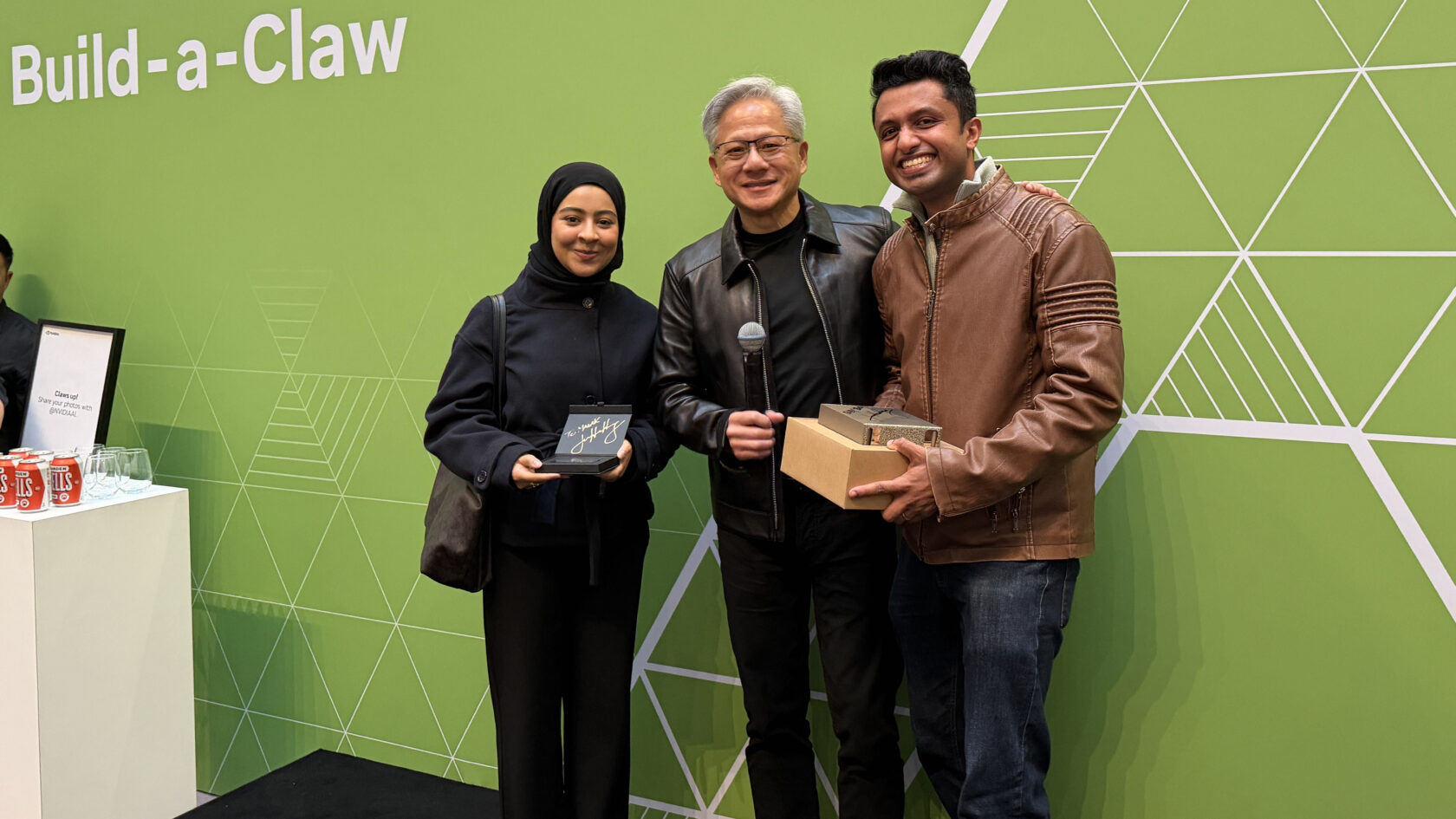
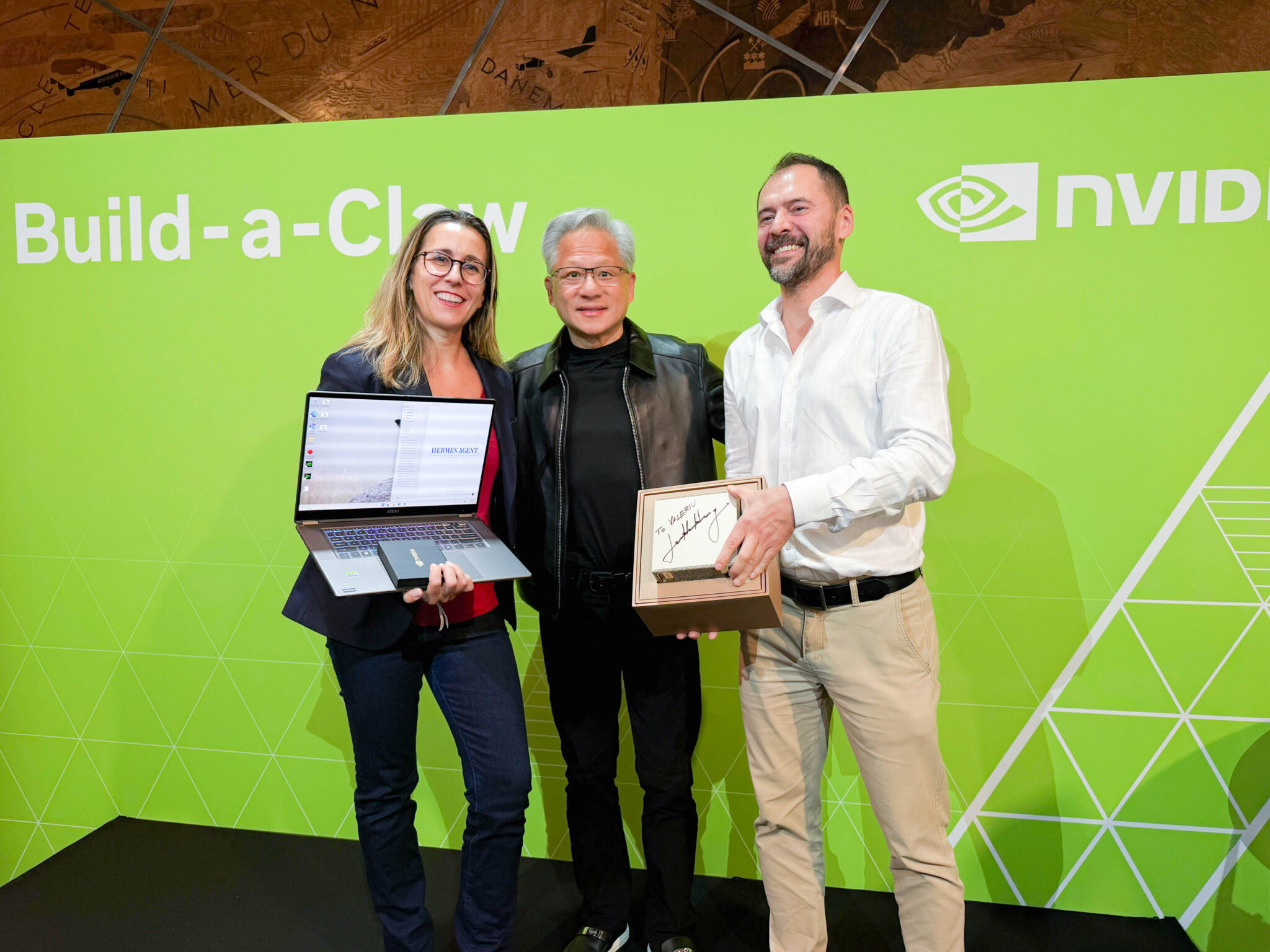
NVIDIA Build-A-Claw Berlin Puts Beginners and Pros to Work

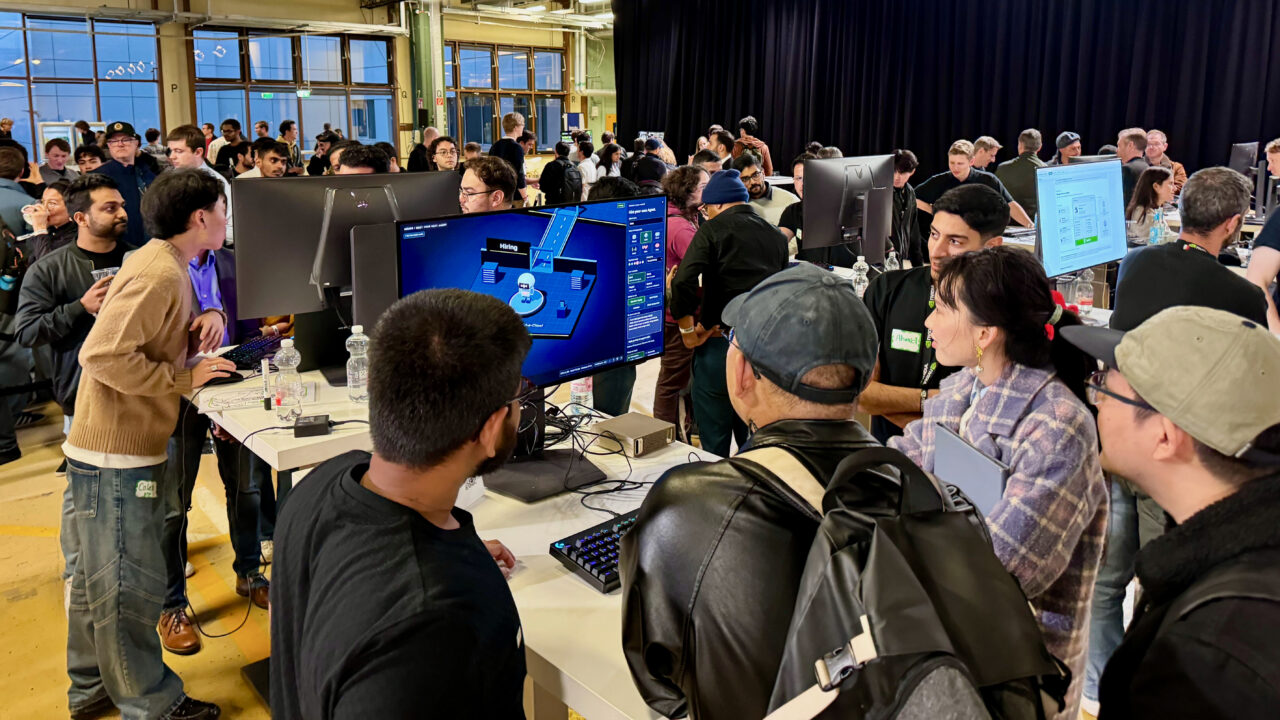
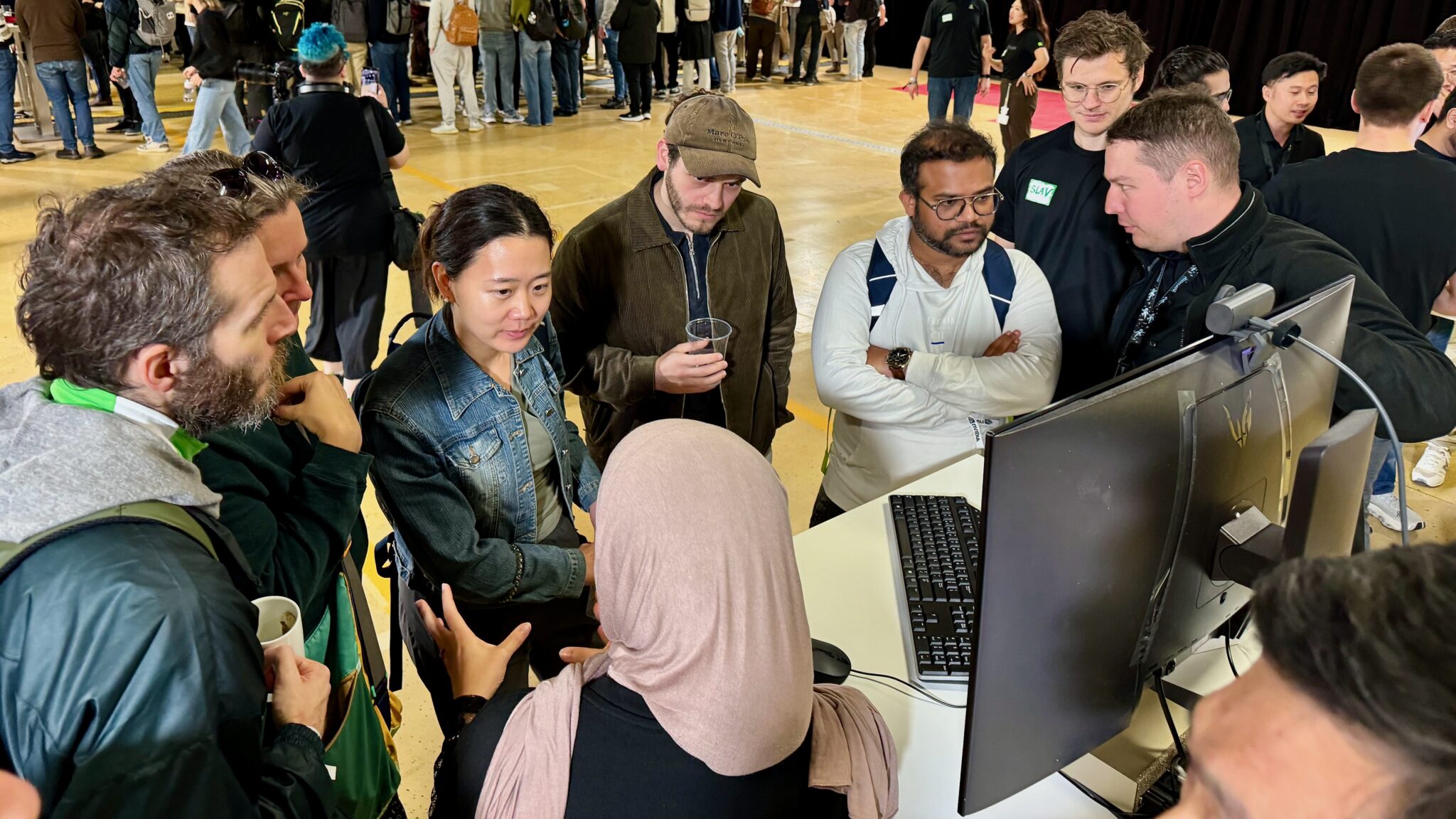
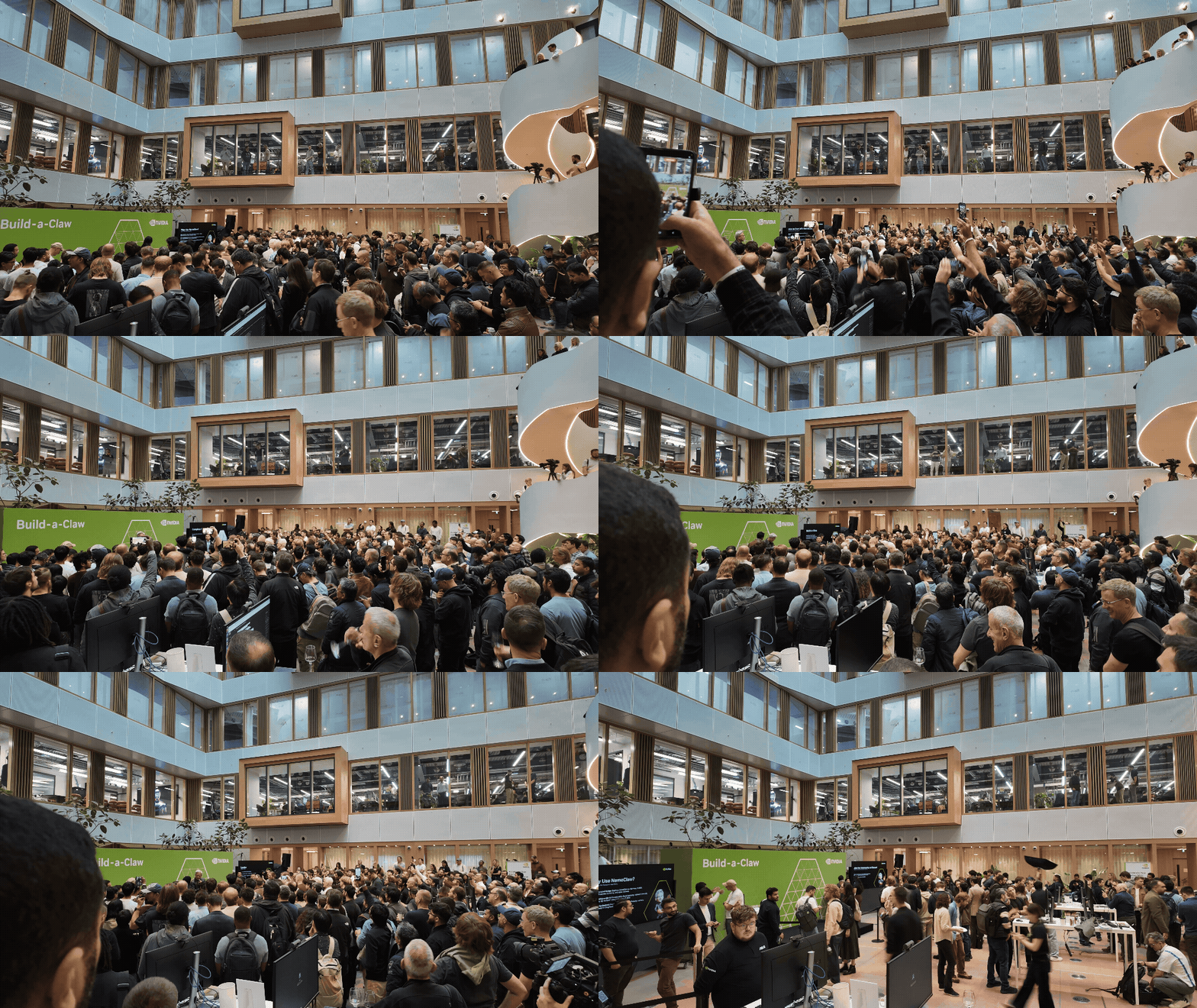
In NLND Berlin, an innovation campus based in a former cigarette factory, developers, engineers, students and researchers rolled up their sleeves to get their hands on autonomous agents. 

NVIDIA’s Build-a-Claw drew more than 500 people on a rainy afternoon for live demos, technical talks and a head-to-head agent competition. The gathering was the last leg of the European Build-A-Claw tour leading up to GTC Berlin, which officially begins Tuesday.

Anyone Can Build an Agent


All the fun didn’t detract from the importance of what everyone was building, and how, thanks to NVIDIA OpenShell.

The objective of OpenShell is making autonomous systems safe. OpenShell is a containment system for building agents giving them zero trust. It’s how the attendees were all building their agents and how it should be done.

That was just one of the lessons for Berlin’s developer community at the event. There will be much more to learn when GTC Berlin kicks off with NVIDIA founder and CEO Jensen Huang’s keynote Oct. 21 at 11 a.m. CEST. Watch live.

Nordics’ Thriving AI Scene Converges in Stockholm

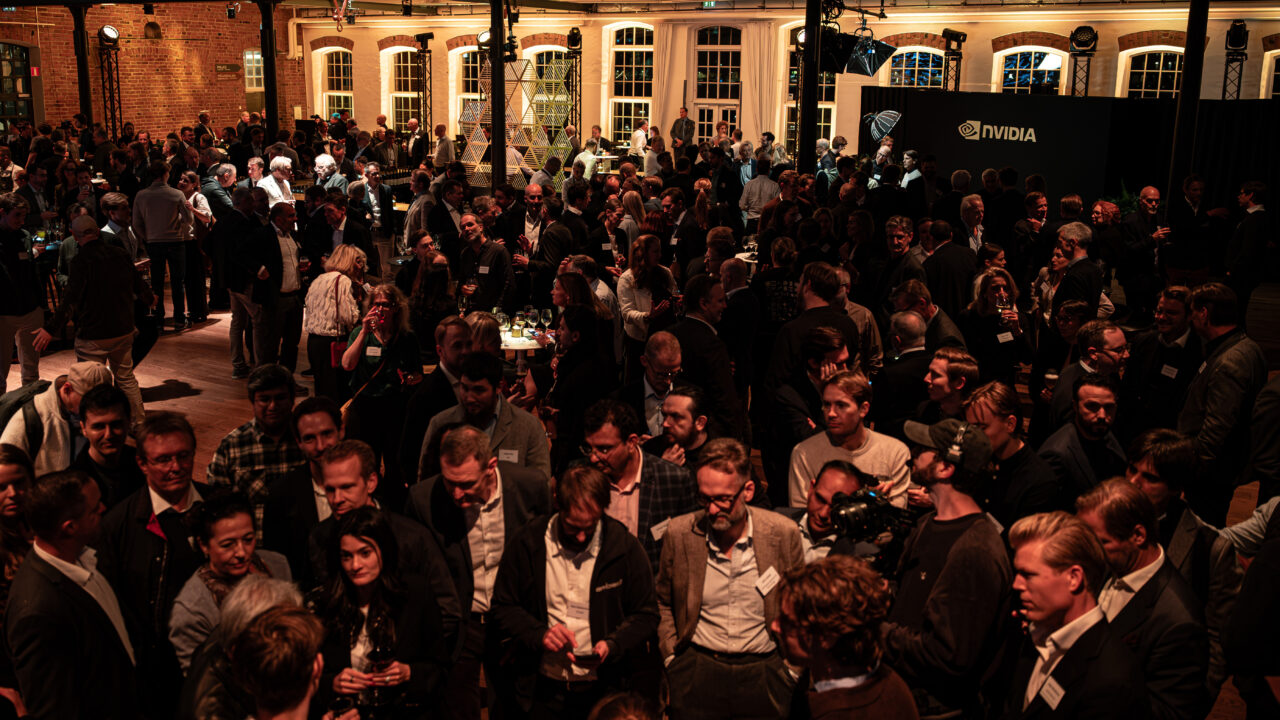
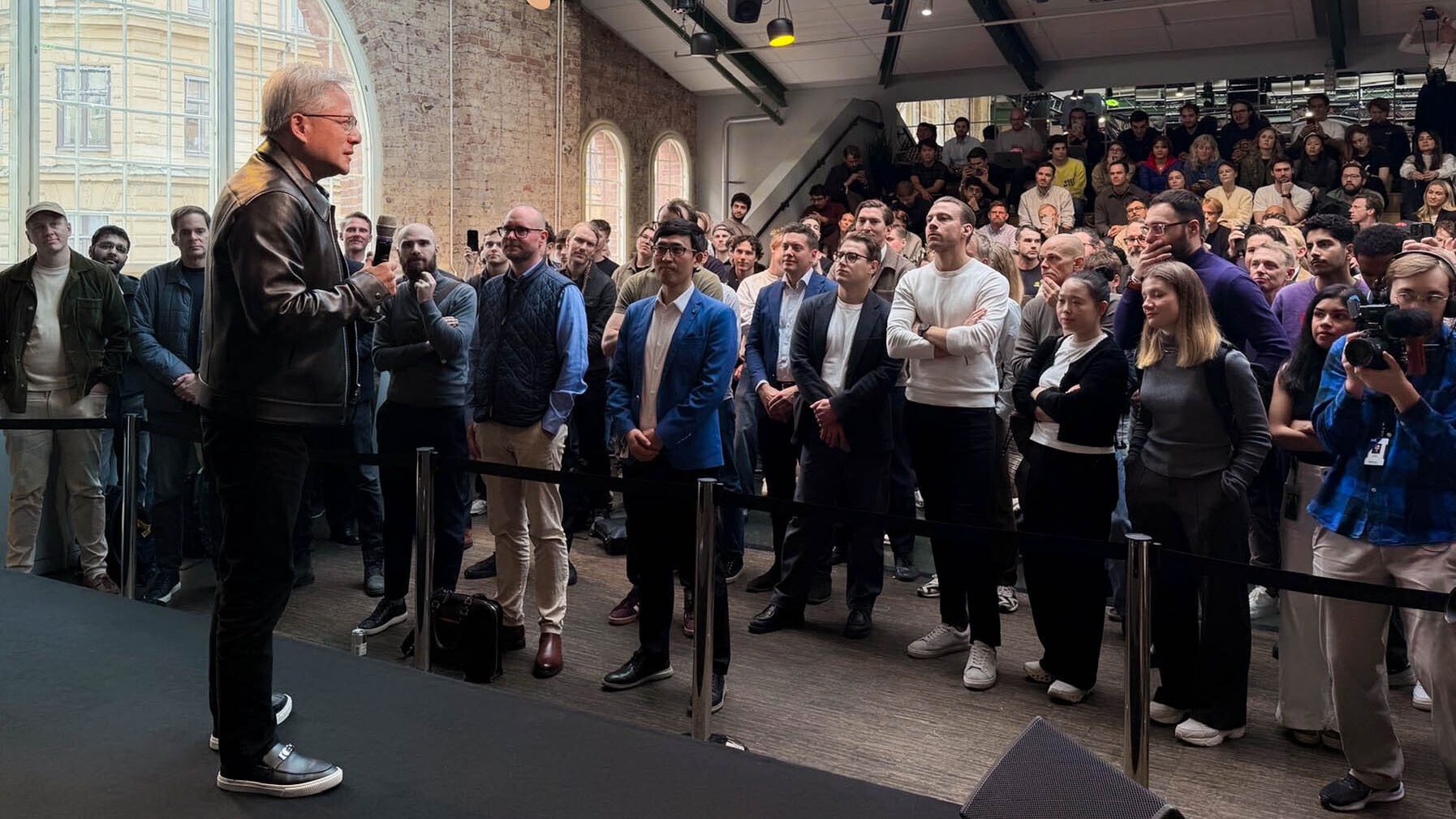
Along Stockholm’s waterway, founders, enterprise leaders and researchers streamed into Münchenbryggeriet’s largest hall to learn about the innovators building on NVIDIA technology across the Nordics. 

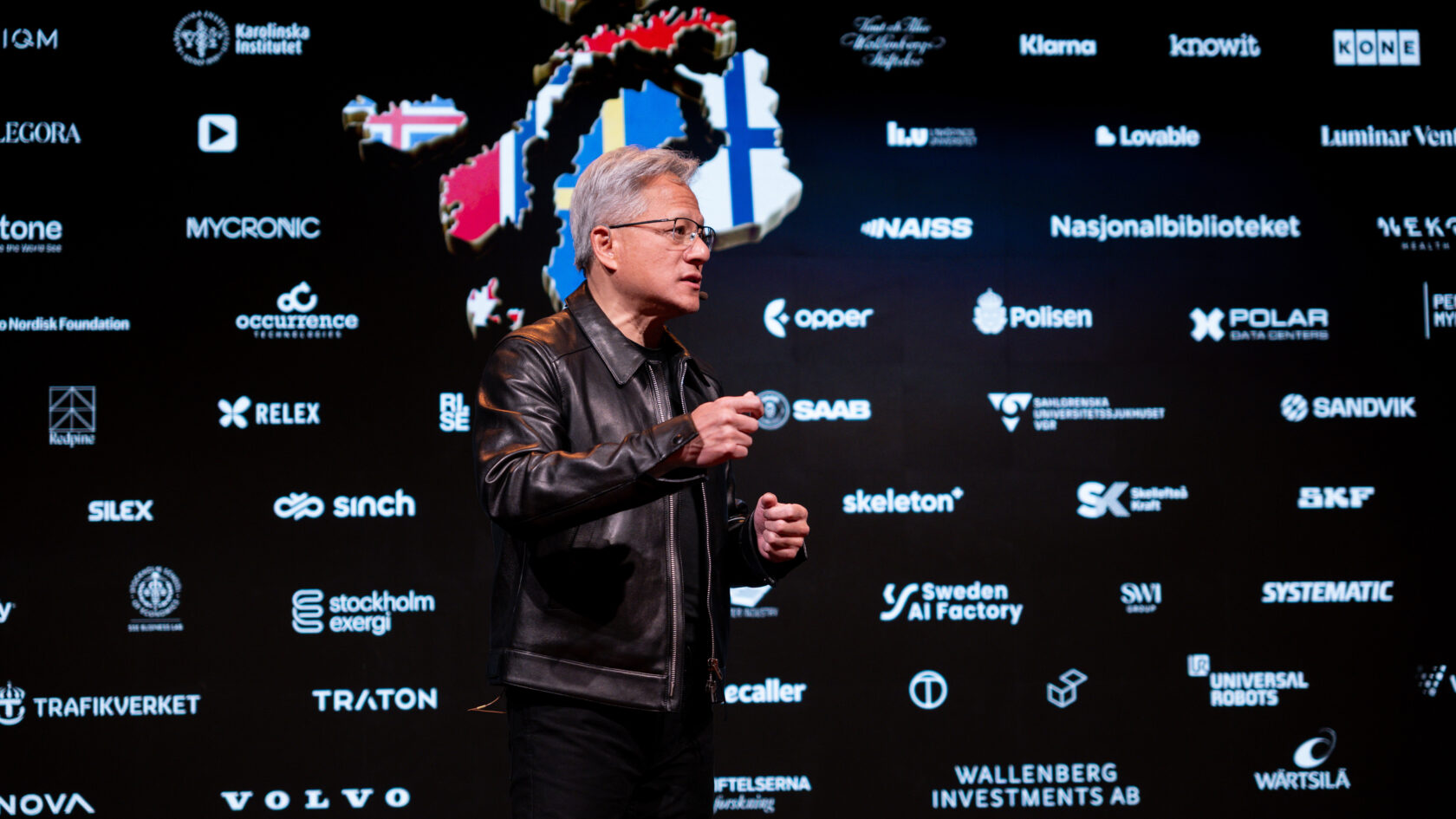
NVIDIA CEO Jensen Huang joined the crowd at NVIDIA’s Sweden AI Ecosystem Reception, the company’s capstone event in the country ahead of GTC Berlin. 

Huang pointed to the region's wealth of infrastructure companies and startups hungry for compute capacity and encouraged them to find each other.

“We have the momentum now starting to build, and once the flywheel goes, the sky is the limit,” he said.

He also touched on the importance of moving from general intelligence to specialized intelligence. 

“AI needs domain expertise. General intelligence is not sufficient to come into manufacturing, into drug discovery and become proficient,” Huang said. “You need to take that general intelligence and apply it for yourself and make domain experts.” 

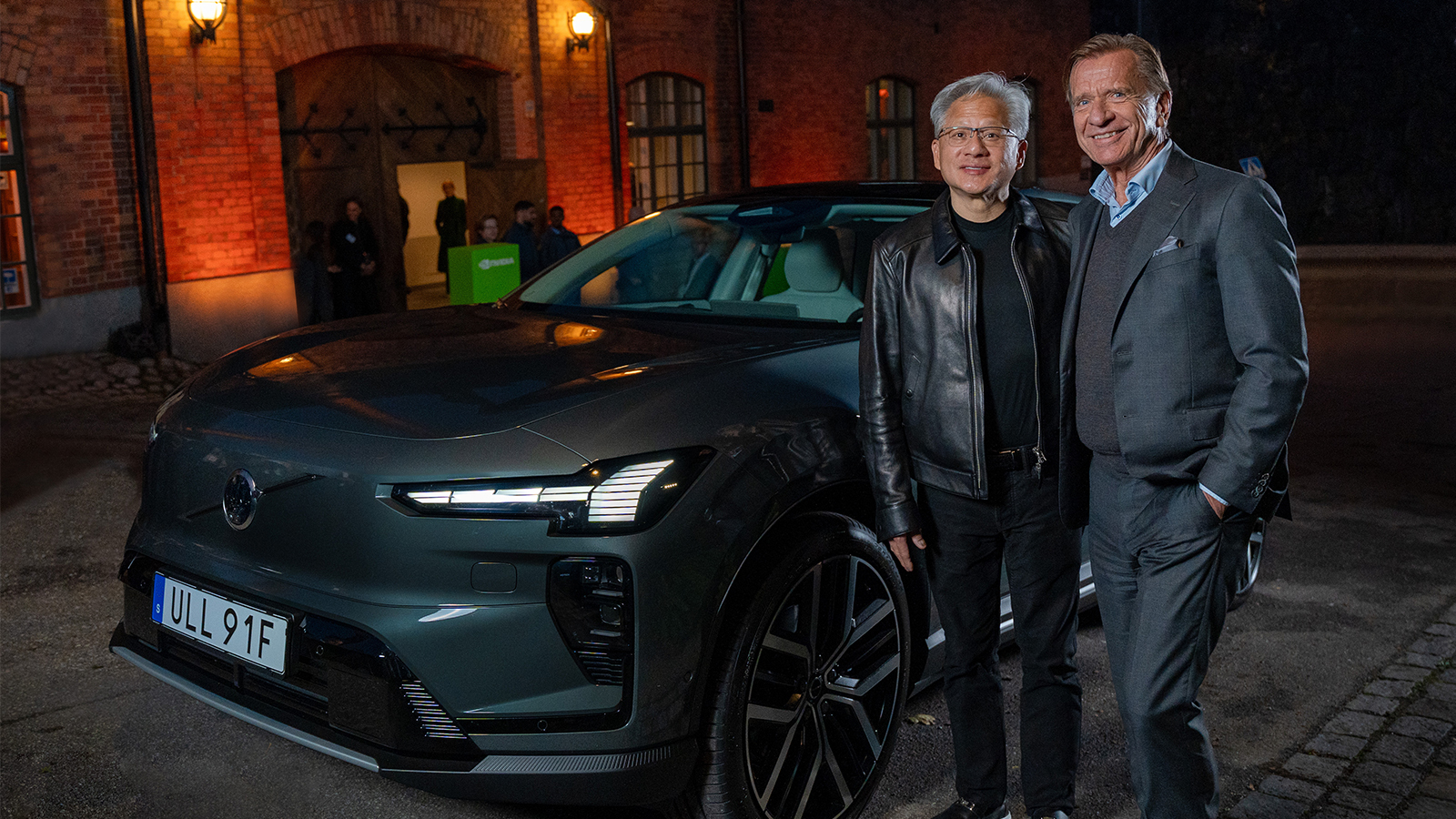
Outside the venue, a Volvo car gleamed — a display of the iconic Swedish automaker’s autonomous driving technology, built on NVIDIA AI and accelerated computing. Volvo Cars today announced an expanded partnership with NVIDIA to unlock new levels of safety in automated driving technology in future cars, building on the companies’ decade-long collaboration.

Jensen Huang, founder and CEO of NVIDIA, with Håkan Samuelsson, president and CEO of Volvo Cars, met in Stockholm to mark an expanded partnership between the two companies to advance safe automated driving.

That’s a wrap in Sweden —  next stop: Berlin. 

NVIDIA CEO and Sweden’s Technology Leaders Discuss Compute’s Next Chapter

Industry leaders and government representatives discussed the strategic integration of AI across various sectors to drive innovation, economic growth and national security in Sweden.
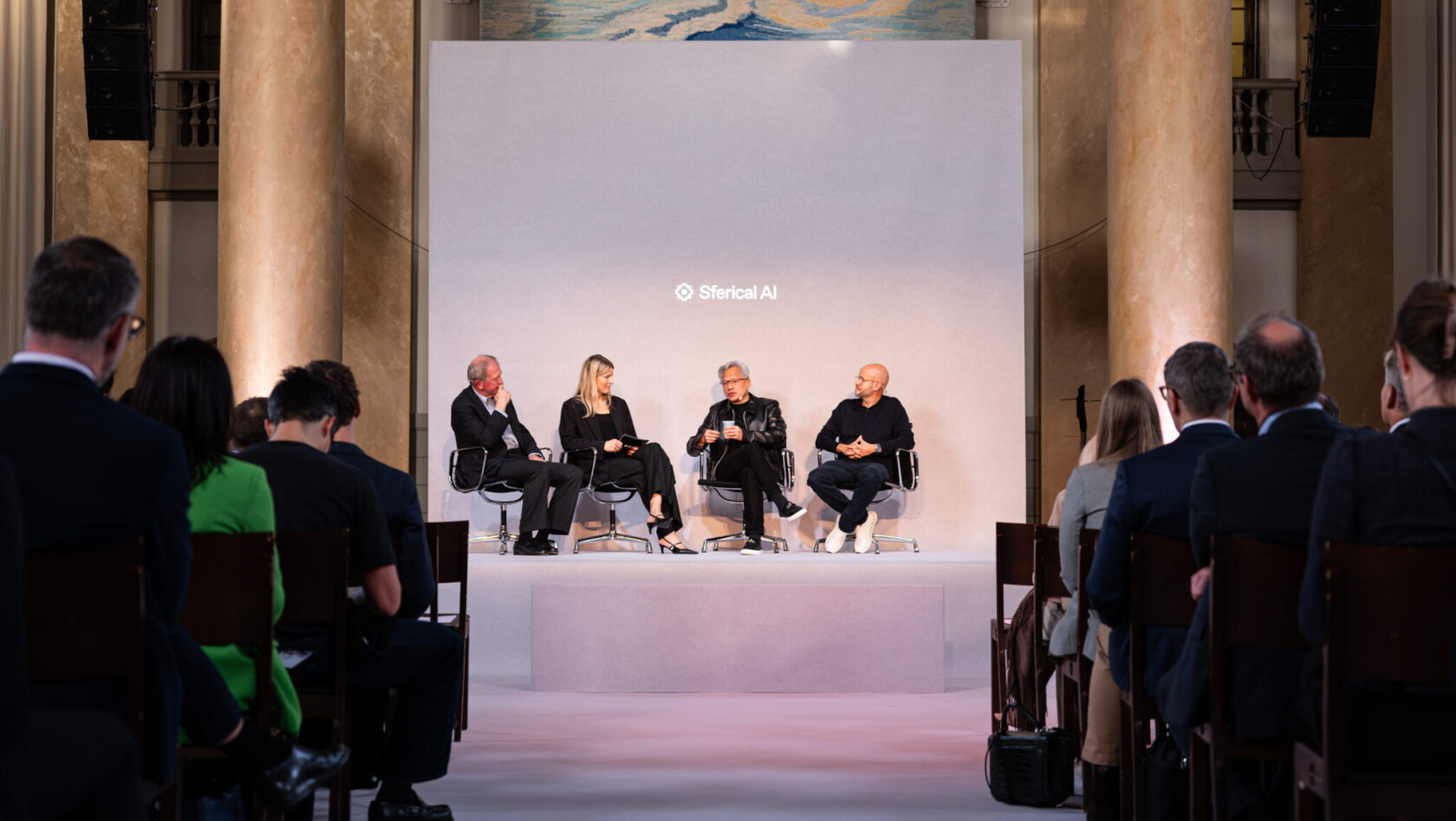
Stockholm’s Eric Ericsonhallen concert hall, a converted church, was filled not just with Sweden’s technology, government and business leaders, but with ideas. Ideas about how the nation can best harness AI and the just launched supercomputer, Sferical One.

Sferical One is a shared supercomputer built on NVIDIA systems that will allow researchers in Sweden and the Nordics to customize and deploy NVIDIA Nemotron open models in a secure environment. A consortium anchored by AstraZeneca, Ericsson, Saab, SEB and Wallenberg Investments, with SKF as strategic partner, is behind the initiative. 

Representatives from those companies, Sweden’s startup and research ecosystem, as well as Sweden’s government shared their ambitions for AI across industries and the Nordic nation at the event.

Each industry leader anticipated SfericalOne would be a catalyst for innovation across every part of Sweden’s economy, from breakthroughs in healthcare and drug discovery to enhanced telecom networks, more efficient R&D in aerospace and standout service in banking. The presenters said that the advances enabled by the new supercomputer should aim to be transformational, rather than an incremental upscaling of existing approaches and services.

Deputy Prime Minister of Sweden Ebba Busch was blunt with the crowd, warning that moving too slowly on AI risked Sweden being left behind. 

“If we overregulate AI, it's not going to happen here,” Busch said. “That's the choice Europe needs to make, and I would like for Sweden to lead the way in terms of finding an innovative regulatory framework that makes sure that AI works for the purpose of overarching aims.”

After a stage reset, NVIDIA founder and CEO Jensen Huang joined Marcus Wallenberg, chair of Wallenberg Investments; Jenny Nordlöw CEO of Sferical AI; and Spotify founder executive chairman Daniel Ek to discuss what Sferical One will enable for Sweden and the Nordics.
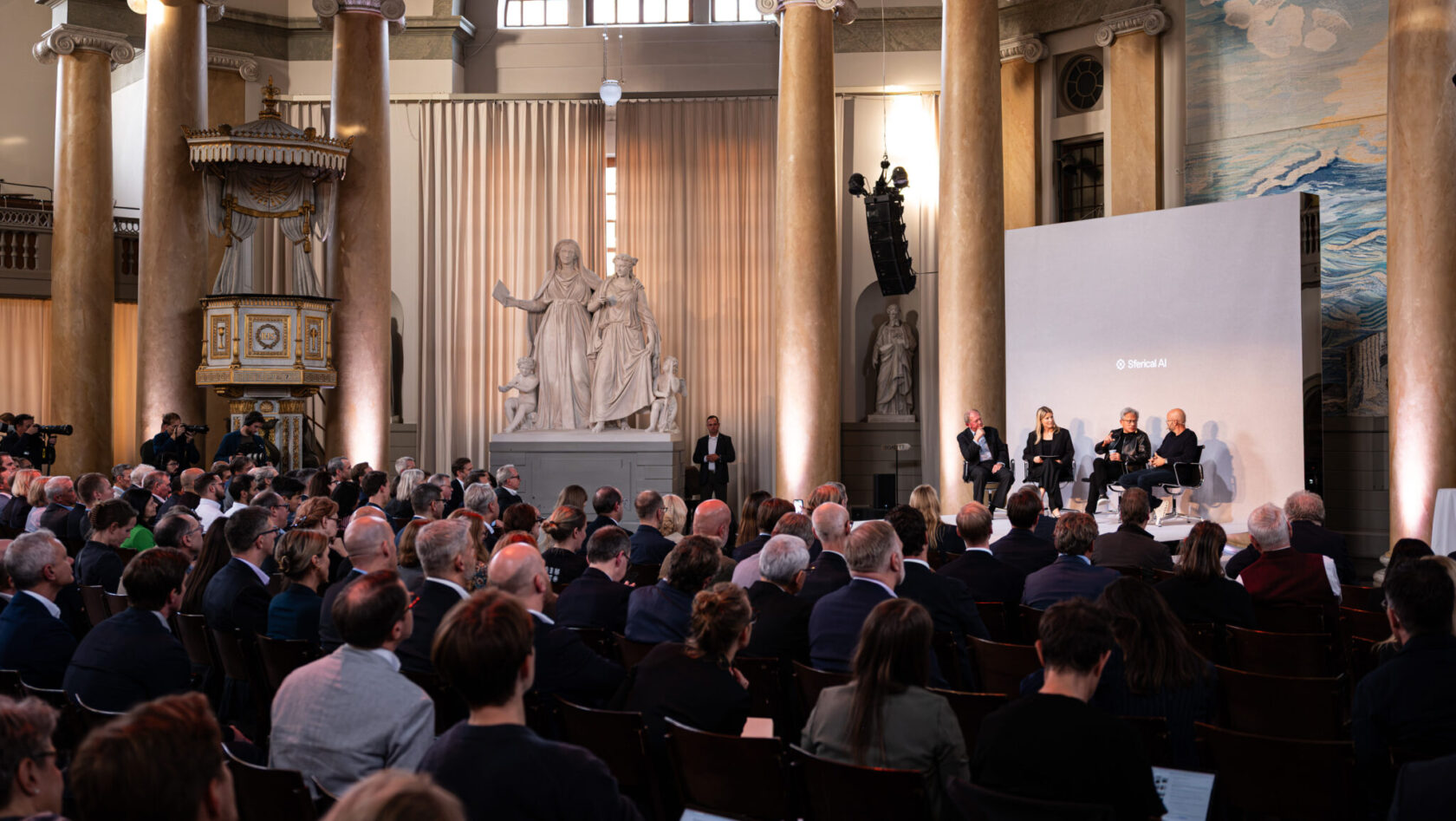
Huang described the speed of change and improvement in AI across industries and applications. What it unlocks, Huang said, is ambition.

“Because you now have an instrument that’s so incredible, your ambition goes up. As companies, as societies, we’re going to be much more ambitious,” he said. “The next generation that comes out of school, they’re going to be insanely ambitious. Their imagination of what they think they can do is going to be incredible.”

Spotify’s Ek agreed, and added that the pace of that discovery and strength of that ambition is only increasing.

“There isn’t a week that passes that we’re not learning something new that we thought was impossible. I never thought I’d experience it at this pace,” Ek said. “My urge to everyone in the room is this: This will happen. Even if it feels like it’s not happening right now in your industry, it will happen.”


Be There for the Beginning: Celebrate the Launch of NVIDIA RTX Spark (opens in a new tab)

A new beginning for Windows PCs starts tomorrow with the launch of NVIDIA RTX Spark — one PC built for creators, gamers and AI agents. All are invited to celebrate with NVIDIA and partners at launch events around the world.

Share Your Spark

Every PC has a story. What was your first Windows PC, and what did it spark a love for? Join the celebration online by sharing responses with #ShareYourSpark for a chance to win an ASUS ProArt P14 RTX Spark laptop signed by NVIDIA founder and CEO Jensen Huang. See the campaign and official rules.

Read more: Be There for the Beginning: Celebrate the Launch of NVIDIA RTX Spark (opens in a new tab)

Developers Swarm Stockholm for Build-a-Claw

The claws were out in one of Europe’s leading tech hubs, Stockholm.

Developers, from the most experienced researchers to AI-curious newcomers, gathered at the Norrsken Foundation, a nonprofit hub for entrepreneurs and startups building businesses to solve the world’s biggest problems. The crowd from the Nordics and beyond came to build specialized AI agents, no coding required. It was NVIDIA’s last stop outside of Berlin before GTC.

That was true as well for NVIDIA CEO Jensen Huang, who explained the importance of what everyone was doing and NVIDIA OpenShell makes it possible.

“When you're building autonomous systems, you have to make sure that it operates in a way that's secure and safe,” Huang said. “So, we created a containment system, another operating system, that these agents can sit within. This containment system gives the agent zero trust, which is the way you should build it.”

That containment system is OpenShell.

“OpenShell is one of the most important things that we've done,” Huang said. “And I hope you all get involved.”

Huang described the moment developers in the Nordics — and across the globe — are experiencing as every industry is on the verge of being reimagined. Foundation models are being combined with specialized models and applied to specific problems, creating a flywheel.

“The number of possibilities for startups is really incredible,” Huang said. “You can create all kinds of interesting businesses with that. I think the days of superintelligence have really come.”

Two lucky attendees won the raffle for the latest DGX Spark and RTX Spark computers.

There was only one wrinkle. Demand for both AI machines has been massive, and Huang didn’t have an RTX Spark to hand over. Instead, he gave the excited winner a signed IOU.

“I'm good for it, I'm good for it,” Huang joked. “You know where I work.”

Next stop: Berlin and GTC. Check back for all the latest news.

NVIDIA Expands Advanced Technology Access for Europe’s Scientific Community Through Open Learning Resources, Collaborations and Compute (opens in a new tab)

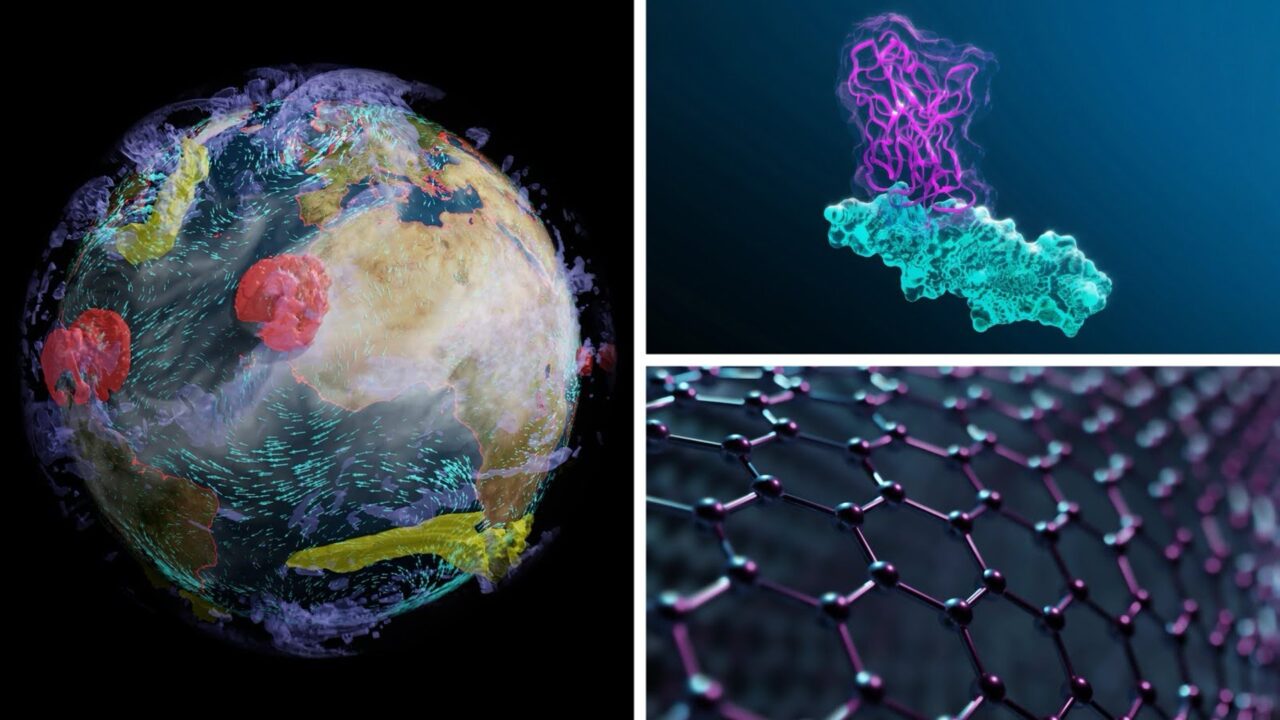
Much of today’s scientific progress begins with computation.

But turning accelerated computing’s potential into scientific progress — modeling climate systems, designing molecules, simulating materials and more — depends on more than breakthrough technology. Especially for smaller labs, early-career scientists or science-based startups, the hardest part of research can be everything that comes before the science: assembling tools, finding compute and building the expertise to use both.

At the AI in Science Summit in Dublin today, the European Commission launched the AI in Science Enablers Initiative, a shared framework connected to RAISE — the Resource for AI Science in Europe — that brings private-sector support closer to Europe’s research community.

Read more: NVIDIA Expands Advanced Technology Access for Europe’s Scientific Community Through Open Learning Resources, Collaborations and Compute (opens in a new tab)

The Nordics and NVIDIA Show What’s Possible When a Region Commits to Advanced Computing (opens in a new tab)

The Nordic countries have become the European leader in unicorn startup density, producing the most emerging companies valued at $1 billion or more per capita on the continent.

Now, a new chapter for the region is unfolding as countries race to build one of Europe’s most consequential technology ecosystems.

The many computing advancements already underway in the Nordics, combined with the opportunity that lies ahead, signal a region moving from ambition to application.

Read more: The Nordics and NVIDIA Show What’s Possible When a Region Commits to Advanced Computing (opens in a new tab)

UK AI Ecosystem Gathers in London

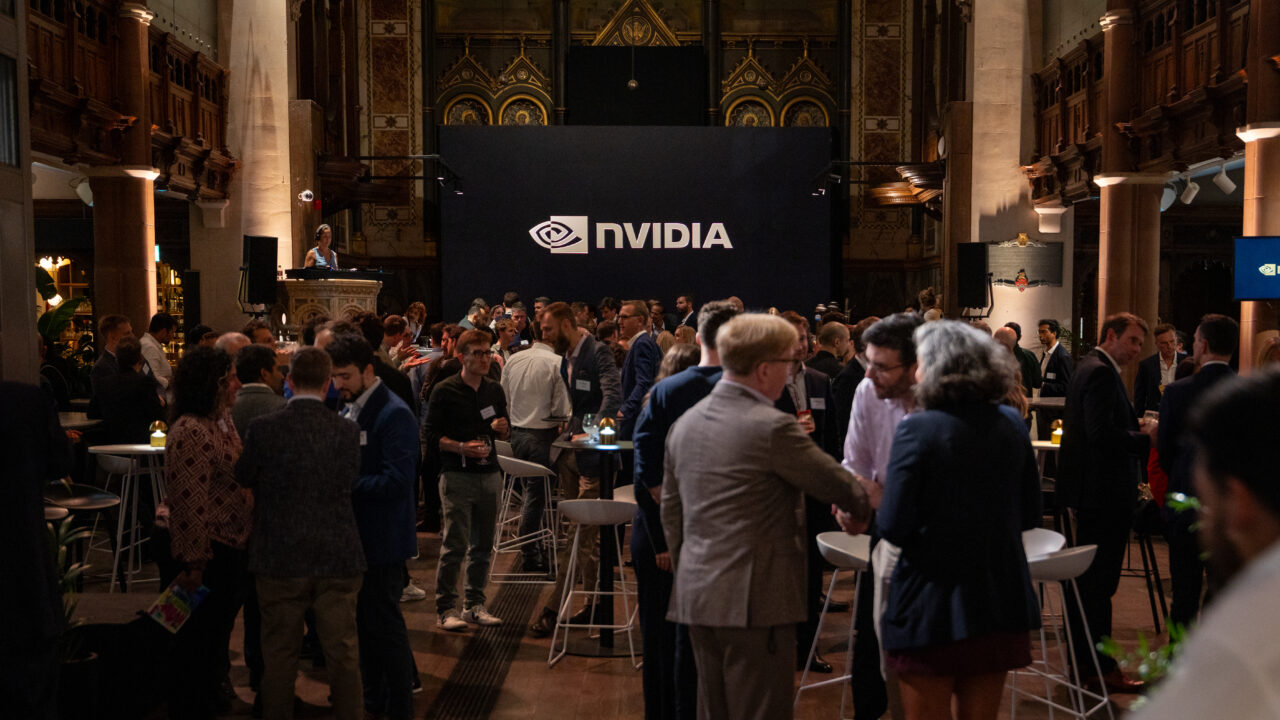
Inside a converted church in the heart of Mayfair, London, NVIDIA founder and CEO Jensen Huang moved through the crowd, greeting founders, business leaders and — at one point, raising a toast to the startups in attendance.

NVIDIA’s U.K. AI Ecosystem Reception at Mercato Mayfair lauded the U.K. as a thriving center for technology innovation. 

Huang took to the stage in front of a packed room, the crowd spilling over into the balcony sections. He played to the London crowd by mentioning how several NVIDIA architectures have been named after English scientists.

After thanking the audience for their contributions and continued work with NVIDIA, he emphasized the importance of safety — especially with regard to agents, which he said must be transparent — and how AI will help solve some of the world’s greatest challenges. 

“AI is our best shot at accelerating the transition to sustainable energy,” he said.

Huang also underscored that “AI is not just the model,” and that “in order for the U.K. to participate in the AI economy, you have to participate in every single layer of the AI economy, the AI industry.”

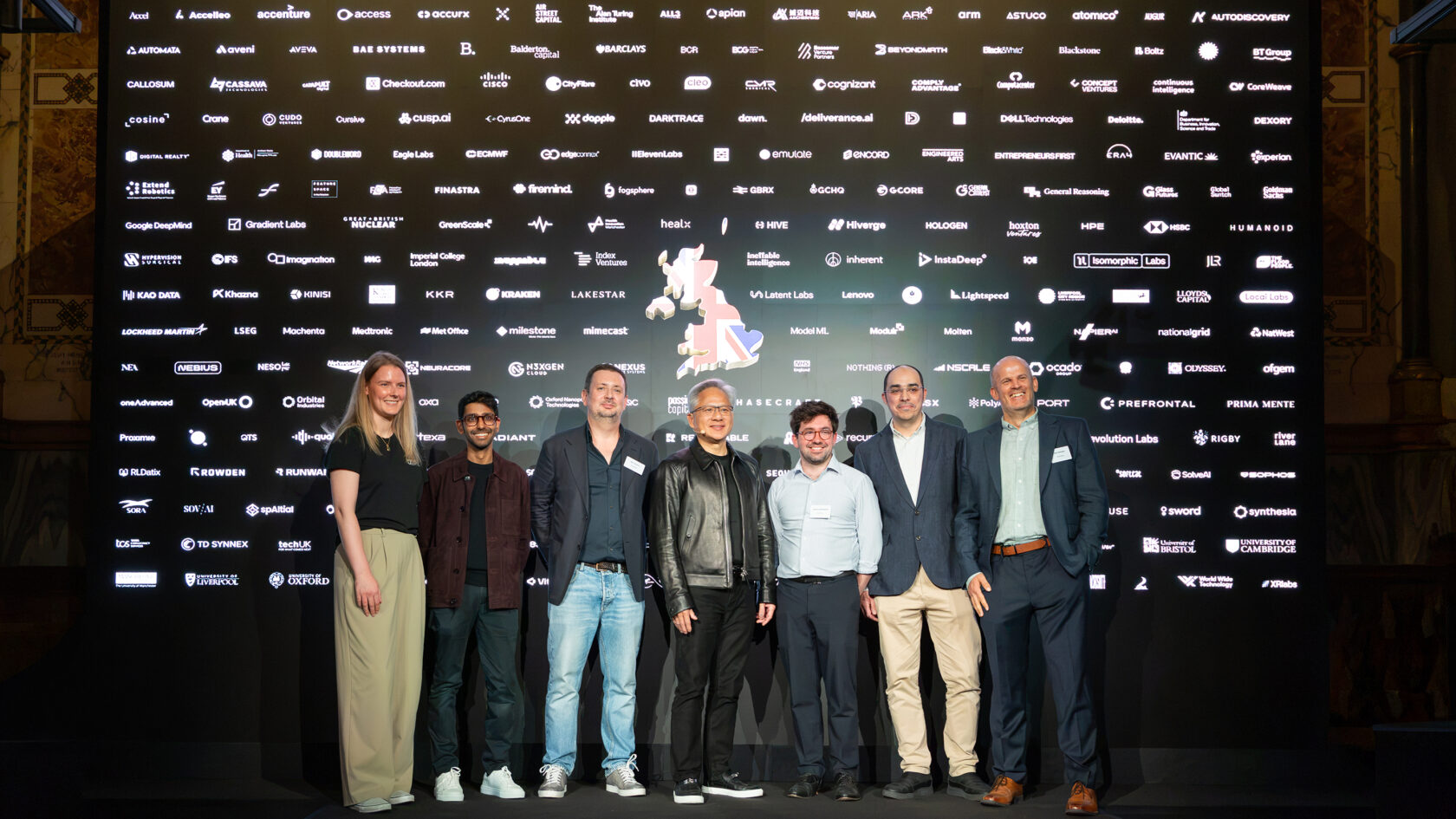
To spur those efforts, Huang announced NVIDIA’s planned investments in U.K. startups across medicine, AI research, infrastructure and quantum computing — part of a broader commitment to invest nearly $10 billion into Europe’s technology ecosystem.

Kanishka Narayan, the U.K.’s Minister for Artificial Intelligence, joined Huang and the startup founders on stage for a toast.

“Go U.K.!” Huang said. “You gotta put pedal to the metal, and let’s get the U.K. ecosystem flywheel going in the U.K.”

Outside the reception, Huang answered questions from the gathered media.

Build-a-Claw Comes to UK Developers

Developers packed One Triton Square in London today to build their own autonomous agents at Build-a-Claw, an event that gave attendees access to NVIDIA-powered computers to design their own agent, no coding required.

The gathering was part of NVIDIA’s tour through Europe ahead of GTC Berlin next week — and featured a visit by NVIDIA CEO Jensen Huang.

“OpenClaw, as you know, makes it possible for the agent to be able to deal with memory, orchestrate action and use tools. As a result, we have now seen an inflection, and artificial intelligence has become useful,” Huang told the crowd, citing applications including drug discovery, coding, marketing and academic research.

Huang described the need for an isolation layer, “another operating system inside the operating system,” to ensure agents are operating securely. 

“And so we created this thing called OpenShell,” Huang said. “Whatever the task you give to your agent, you then give it minimum rights, minimum privileges, and then you monitor it to make sure it’s compliant with policy.”

Huang also called attendees up to the stage to award raffle prizes including a signed NVIDIA DGX Spark.

AI Safety and Security Research Forum

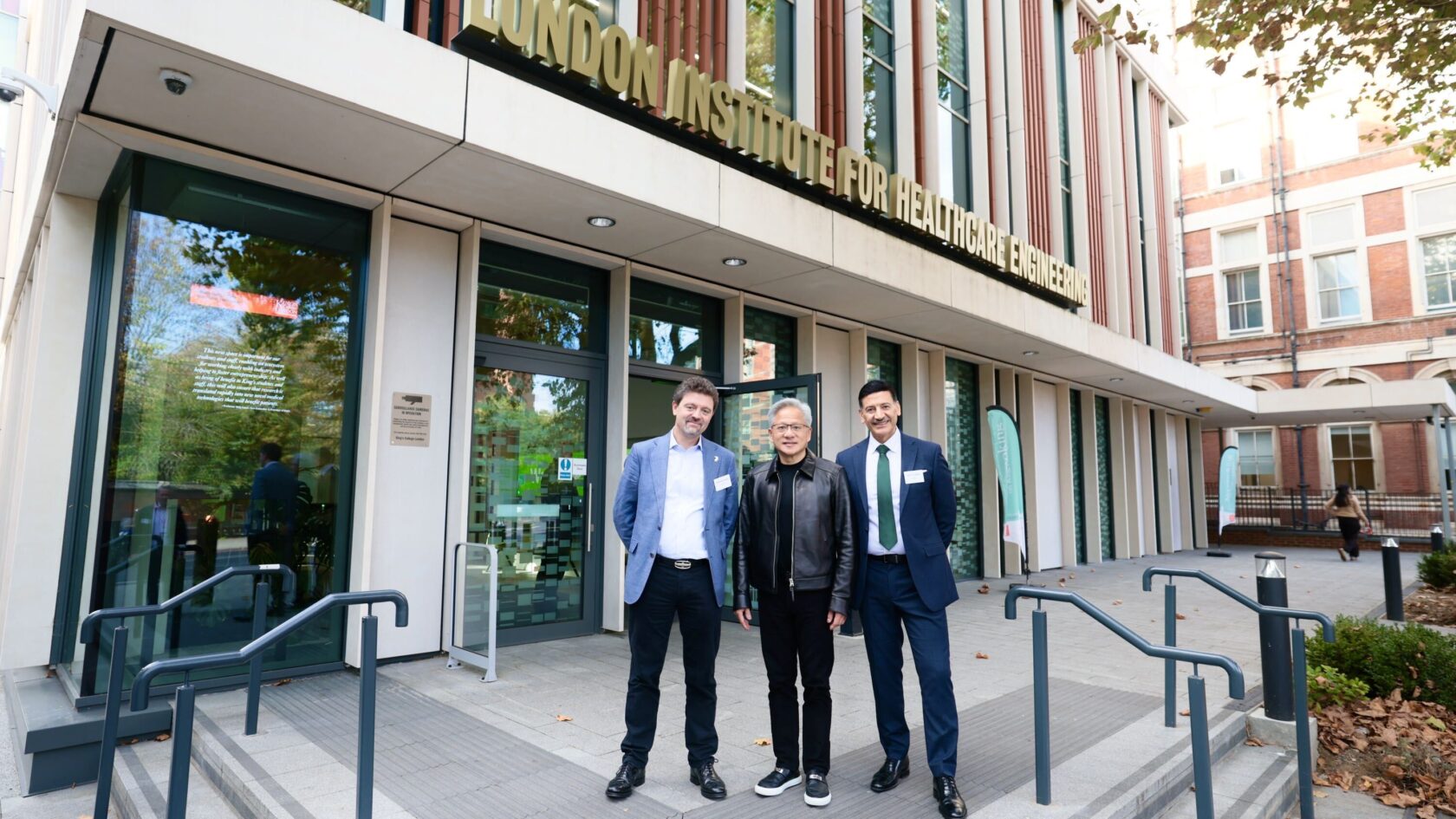
Earlier in the day, Huang joined U.K. researchers at the AI Safety and Security Research Forum at the London Institute for Healthcare Engineering. His visit followed NVIDIA’s announcement of a compute donation valued at $250 million over five years to support U.K. agentic safety and security research.

Pictured from left to right: Sebastian Ourselin, director of the London Institute for Healthcare Engineering; Jensen Huang, NVIDIA founder and CEO; and Bashir Al-Hashimi, senior vice president of research and special initiatives at King’s College London.

The forum brought together some of the U.K.’s most talented engineers working on the biggest problems in AI safety. Two shared challenges emerged from the session: securing multi-agent systems, where individually secure agents can still form insecure systems, and rapidly scaling safety at the same pace as capability. Huang and others made the case for openness as the foundation for effective defense, and highlighted the U.K.’s world-leading strength in AI safety. He argued open models and solutions put defensive power in everyone’s hands.

“We need to democratize self-defense," Huang said. "We need a community of people watching each others’ backs.”

In Dublin, European Union and Industry Leaders Convene at International AI Summit

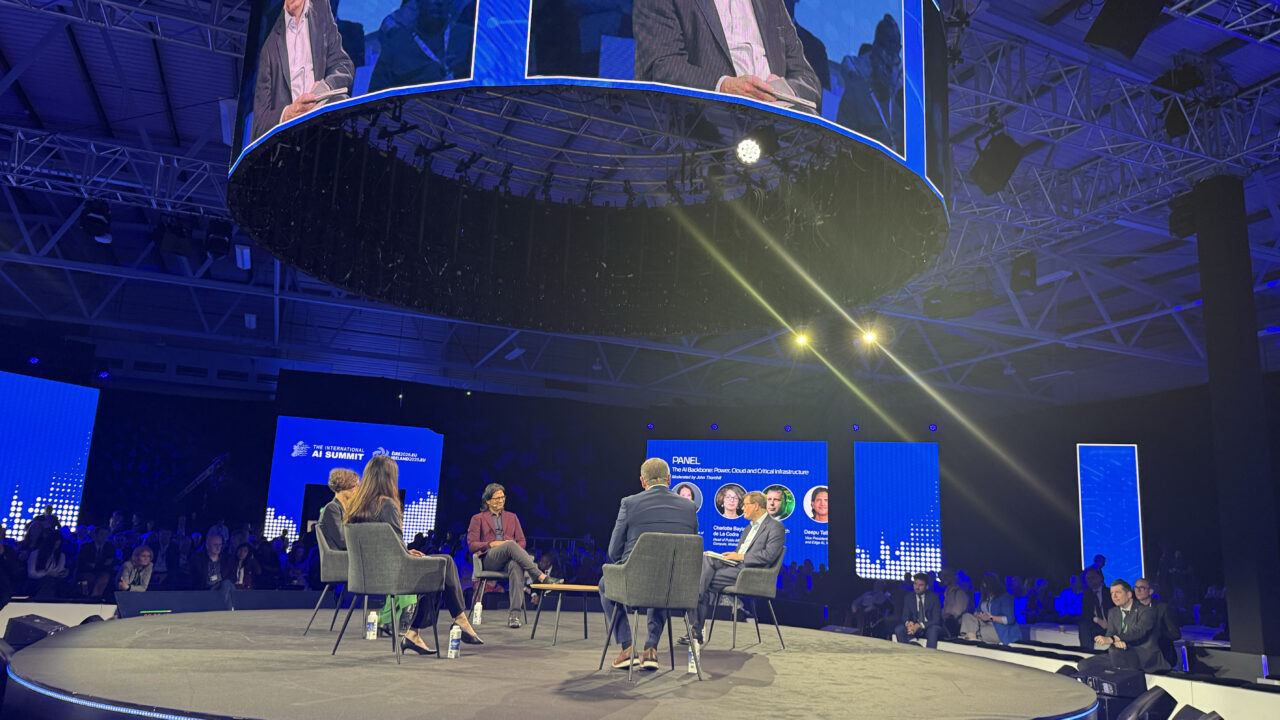
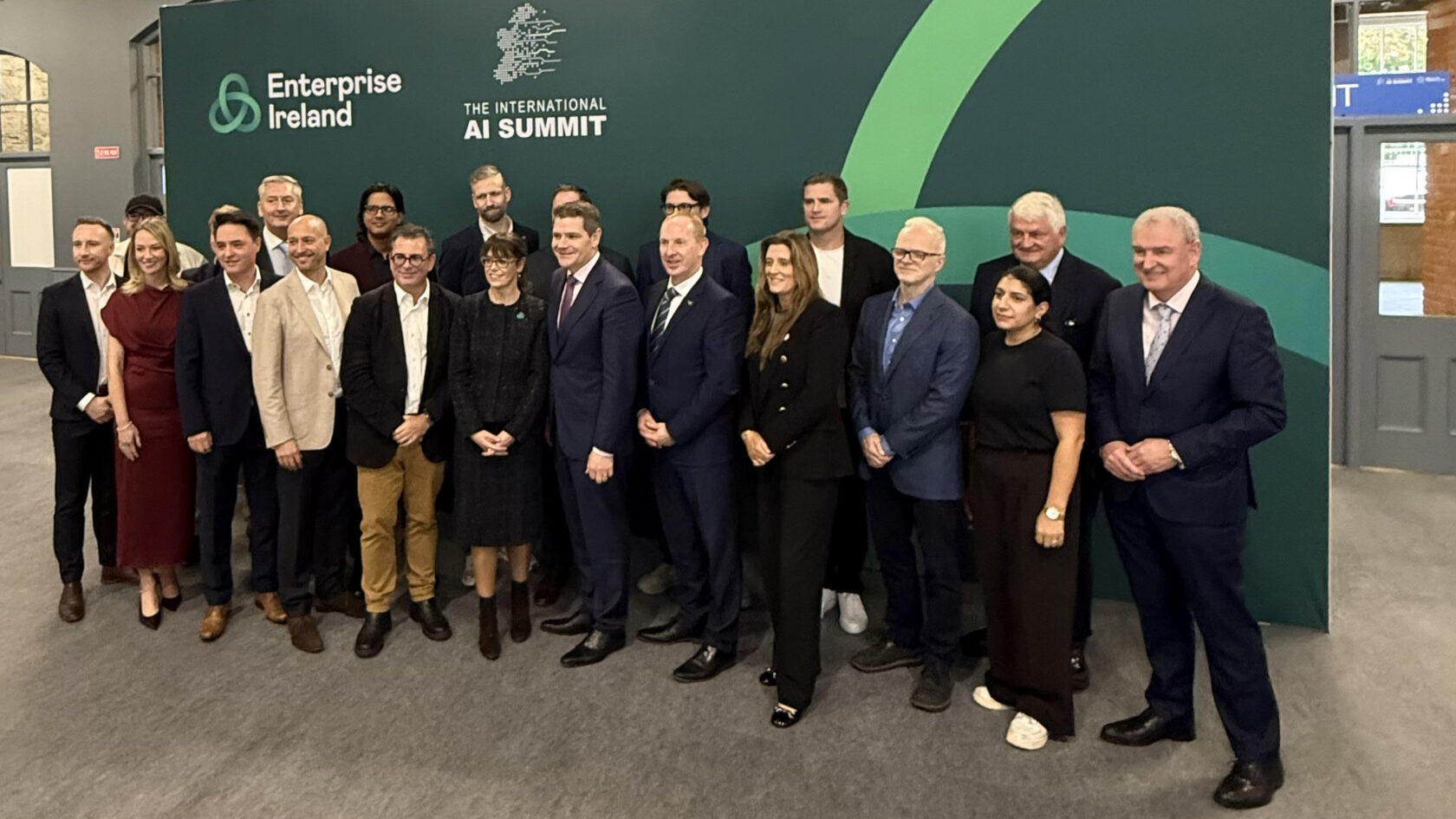
Deepu Talla, vice president of robotics and edge computing at NVIDIA, joined European Union and local leaders at the International AI Summit in Dublin to celebrate the talent, ambition and spirit of innovation in Ireland and across Europe.

Talla spoke on a panel titled The AI Backbone: Power, Cloud and Critical Infrastructure, joined by Robin Colwell, senior vice president of government affairs at Intel; Charlotte Baylac de la Codre, head of public affairs for compute at Mistral AI; and Jason Lynch, CEO of Equal 1, to discuss what it takes to power Europe’s next era of compute.

The panel’s moderator John Thornhill, innovation editor at the Financial Times, began the discussion by invoking NVIDIA founder and CEO Jensen Huang’s description of AI as a five-layer cake, with the layers (from the bottom up) comprising energy, chips, infrastructure, models and applications.

The question for Talla: Which layers can Europe play in? All of them, was the short answer Talla gave — but the most important layer for European nations to focus on is applications.

“When you have an AI factory, you’re providing energy and out comes intelligence,” Talla said. “It’s quite simply the most valuable commodity that humanity can have. The question then is, once you have this intelligence, how much do you need? Well, the answer should be as much as you can get.”

And then, what do you apply that intelligence toward?

Talla’s answer for Europe’s small and large enterprises as well as governments takes into consideration the region’s phenomenal manufacturing expertise. 

“Physical AI is the next big opportunity,” Talla told the audience, describing the use of robotics to move atoms, create physical objects and perform physical tasks. “Around 70% of GDP is in the physical world, and that makes physical AI one of the largest opportunities ahead of us. Europe can combine AI with its human capital, engineering expertise and industrial capabilities to create more value.”

That value will also extend to Europe’s small and medium businesses.

At the International AI Summit, government and industry leaders marked the launch of Startup Ireland, an initiative to support entrepreneurs and fuel the creation of 1,000 new startups.

“Physical AI can bring capabilities that were previously available mainly to large enterprises to small and medium-sized companies,” Talla said. “That creates a major opportunity for Europe’s manufacturing base and its small and medium-sized manufacturers.”

And it will result in applications of AI — at every layer of the stack — that are uniquely European.

“At the model and application layers, local knowledge and local market understanding really matter,” Talla said. “We want to enable the entire ecosystem across startups and universities — everywhere — because ultimately those can become the large companies of the future.”

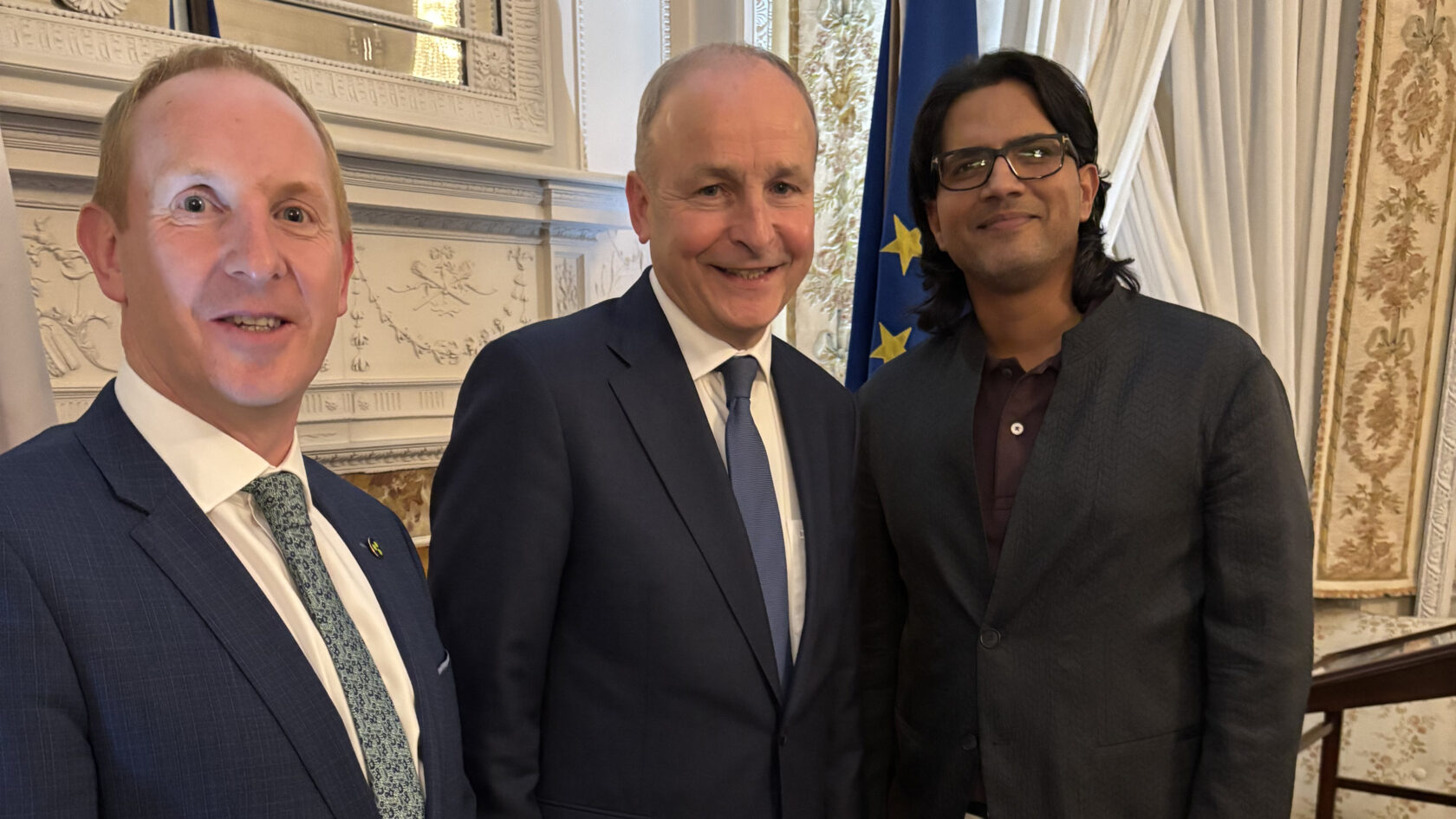
Pictured left to right: Michael Lohan, CEO of IDA Ireland, an agency that helps companies invest in and expand into Ireland; Micheál Martin, Taoiseach of Ireland; and Deepu Talla, vice president of robotics and edge computing at NVIDIA.

NVIDIA Announces New Investments in the UK Startup Ecosystem (opens in a new tab)

Across industries, the U.K. is putting the full stack to work.

The scale of deployment is growing fast, from enterprises transforming their businesses to startups solving some of the planet’s hardest problems.

NVIDIA is putting that principle into practice, including through a five-year, $250 million compute commitment to strengthen the U.K.’s agentic safety and security research.

Read more: NVIDIA Announces New Investments in the UK Startup Ecosystem (opens in a new tab)

European Cities Deploy NVIDIA-Powered AI Agents to Run Smarter Urban Operations (opens in a new tab)

Keeping a city running means making decisions that affect residents every day — from when to repair a road to how to use energy more efficiently.

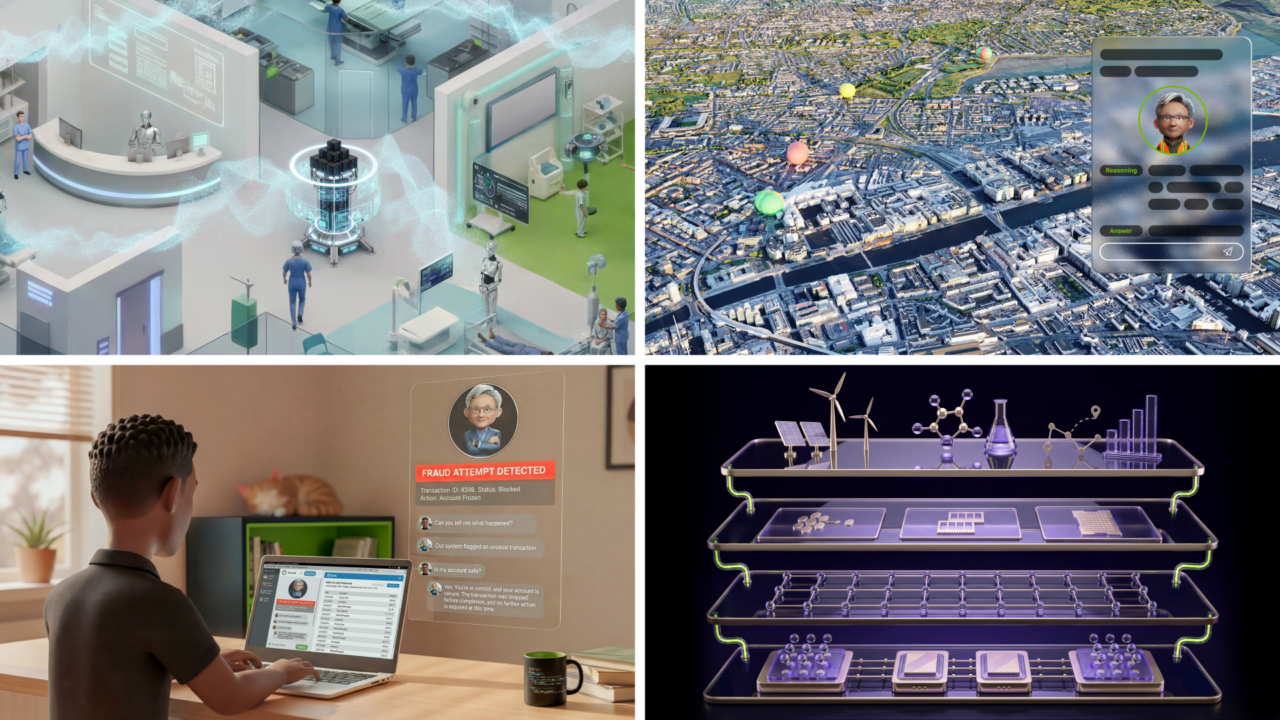
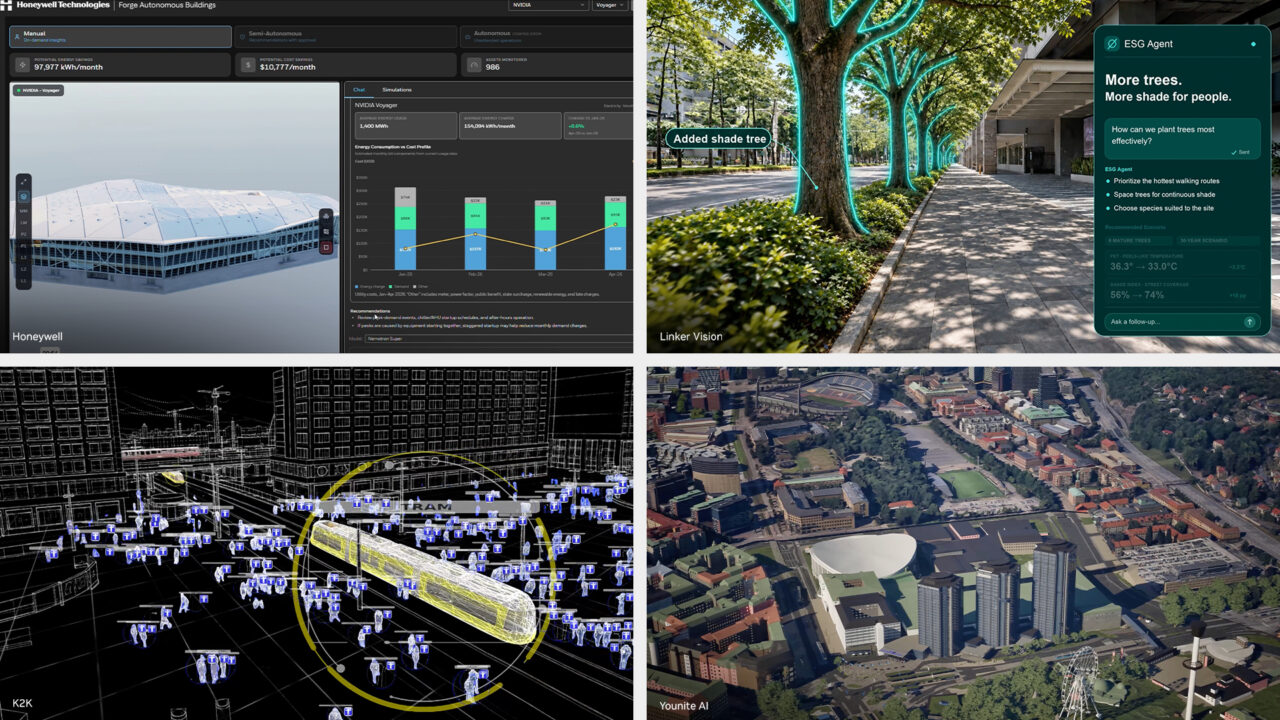
Across the EMEA region, cities and local software, infrastructure and integration partners are using NVIDIA accelerated computing to build physical AI agents and digital twins that help teams make those decisions. These applications can anticipate maintenance needs, guide urban planning and make public services more responsive.

Software partners including ABA Technology, Akila, Galene AI, Honeywell Technologies, K2K, Linker Vision, Milestone, Onetera, ThinkDeep and Younite AI are using NVIDIA physical and agentic AI to develop solutions for city operations and public services.

Read more: European Cities Deploy NVIDIA-Powered AI Agents to Run Smarter Urban Operations (opens in a new tab)

France Gathers for Innovation — and Huang Meets With President Macron

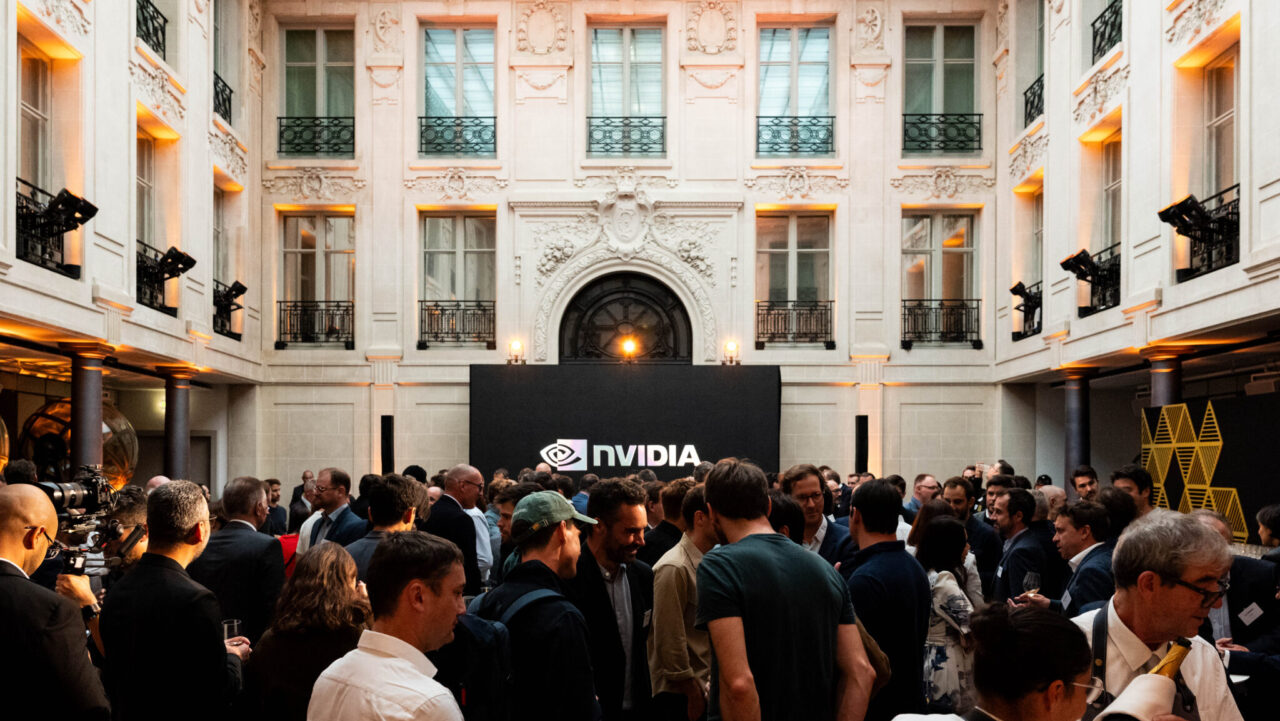
Salle des Tirages, a historic hall on Place Vendôme, has hosted events of consequence for more than a century. On Tuesday evening, it held France's latest ecosystem moment as founders, policymakers, researchers and press gathered for NVIDIA's France AI Ecosystem Reception.

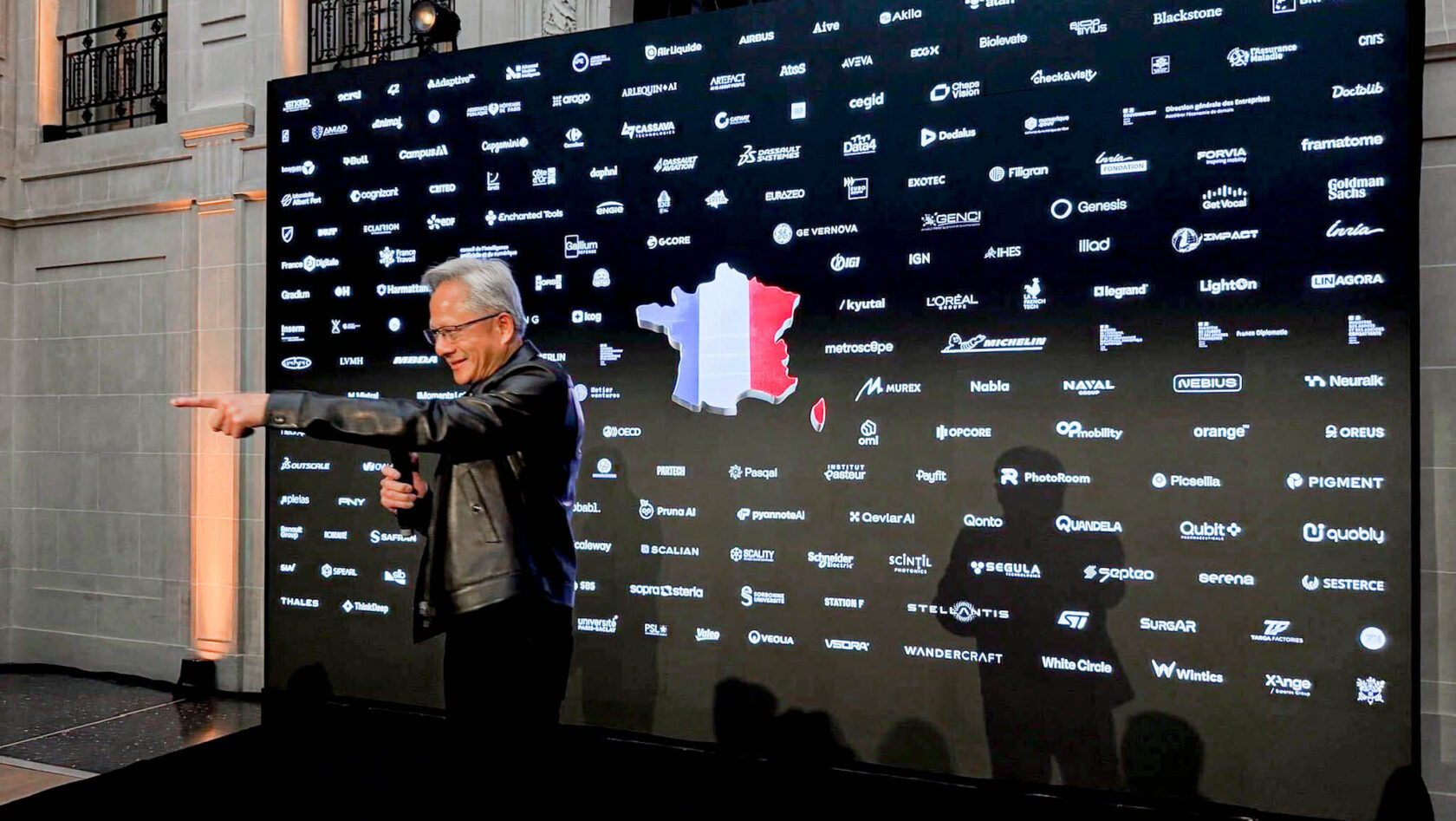
NVIDIA founder and CEO Jensen Huang took the stage to discuss NVIDIA’s investments in Europe and the need for safe and secure technology development.

“Europe is one of the great regions of industrial manufacturing,” Huang said. “This is the beginning of the AI journey for the EU.”


Roland Lescure, France's Minister of the Economy, joined Huang onstage to talk about France’s strategy for innovation and economic growth.

“We want Europe to enjoy this revolution that’s going to create prosperity, jobs and revenue,” Lescure said. “For this we need pioneers.”

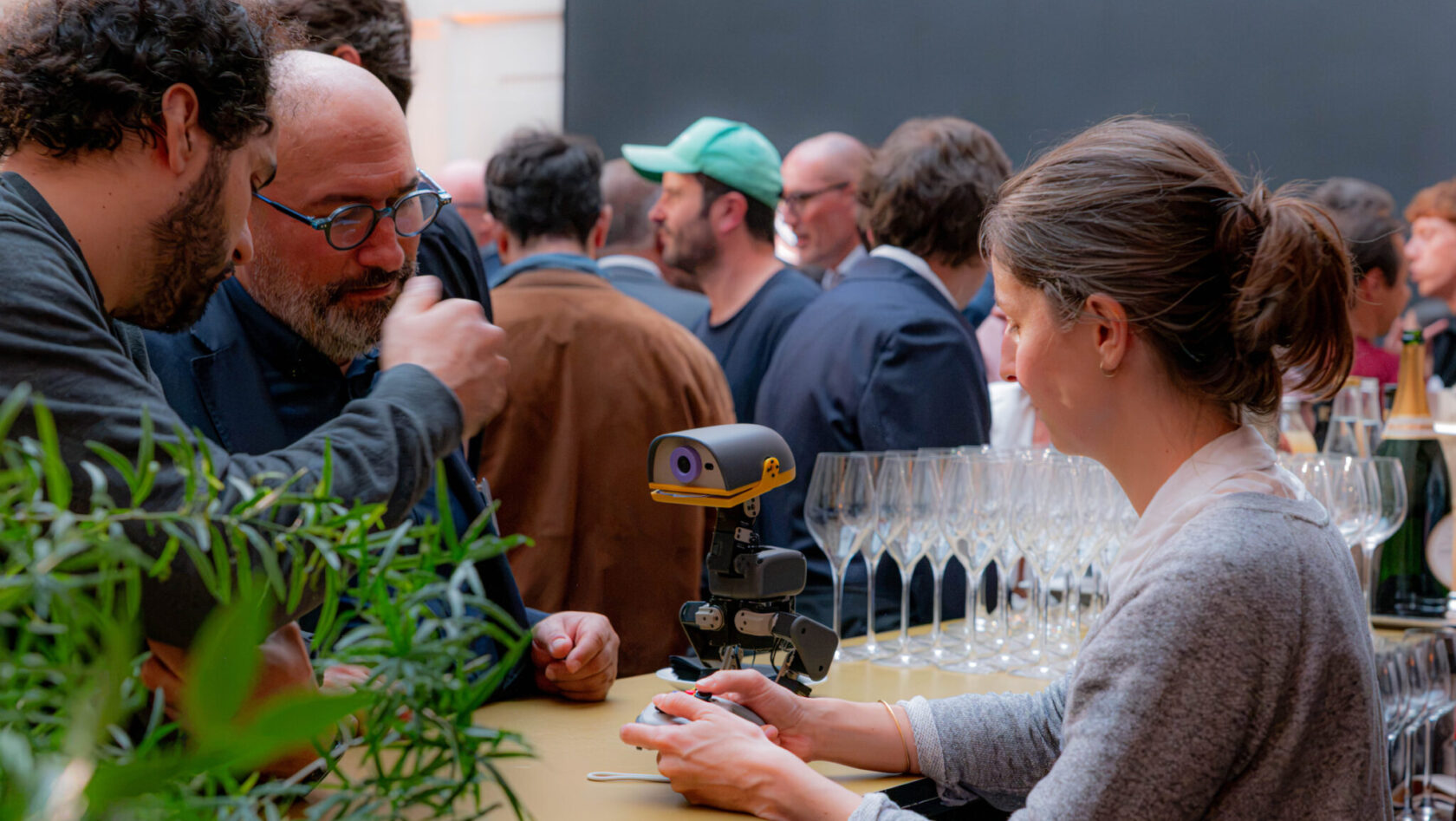
As attendees mingled at the reception, crowds gathered around a couple tiny guests: Microducks, 10-inch biped robots by Hugging Face that run on open source software.


Huang also stepped outside to address the press gathered at the venue about secure technology deployment.

“Containment and monitoring are the fundamental pillars of AI,” he said.

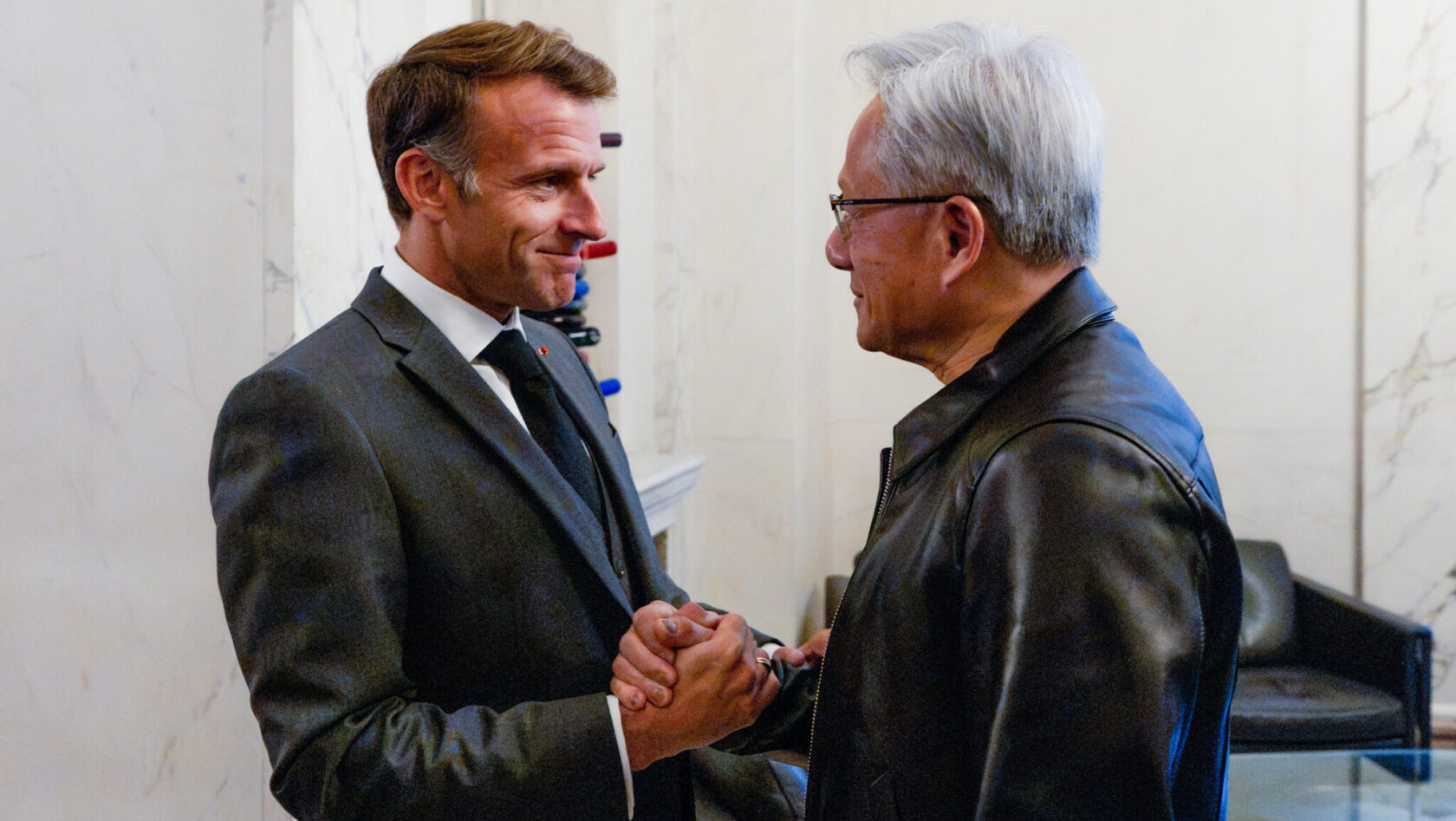
Later that evening, Huang met with French President Emmanuel Macron at the Élysée Palace to discuss NVIDIA’s contribution to France’s thriving AI ecosystem through investments spanning startups, AI-native companies and computing infrastructure.

They also spoke about the importance of open source for France and Europe, AI safety and NVIDIA’s recent launch of its Open Agent Safety Platform.

NVIDIA Brings Build-a-Claw to the Heart of Paris

On the afternoon before NVIDIA's France Ecosystem Reception, hundreds of developers gathered at Pavillon Vendôme to build physical AI — and get a surprise visit from NVIDIA founder and CEO Jensen Huang.
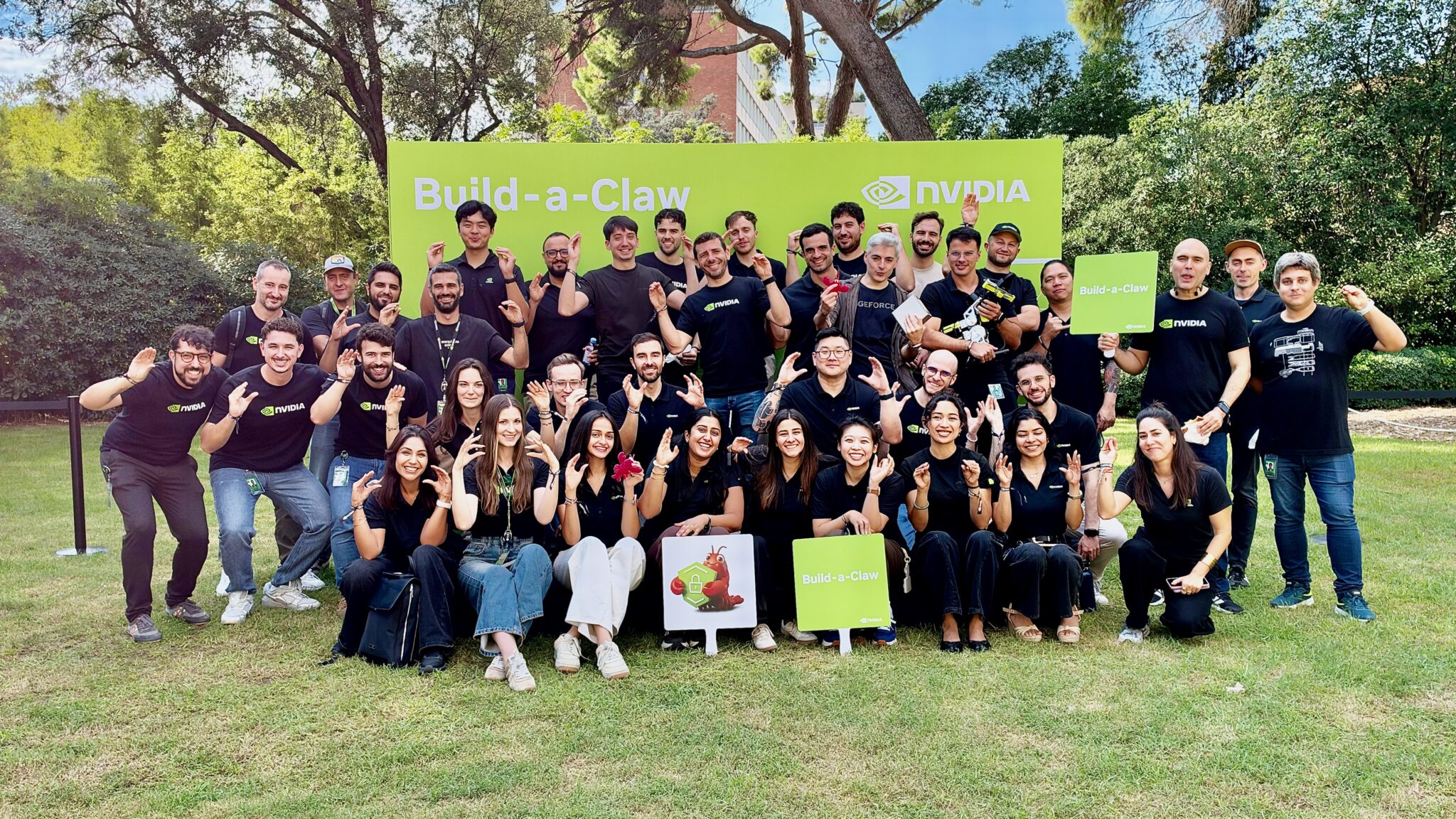
Pavillon Vendôme sits just off Place Vendôme in the 1st arrondissement — one of the most storied addresses in Paris. On Tuesday afternoon, it was full of claws.

NVIDIA’s Build-a-Claw came to France with developers from the nation’s startup community and big companies alike packing into the pavilion. The excited crowd was lined up around the block to try their hands (and brains) at building AI-powered robotic claw machines using open models and NVIDIA’s platform.

NVIDIA founder and CEO Jensen Huang dropped in on the robotic fun chatting with the crowds inside and outside, and showing off NVIDIA DGX Spark and RTX Spark AI computing powerhouse machines.

“The world’s first computers that unite all the software the world has ever created,” Huang said.

Huang then raffled off one of each of the machines, signing the DGX Spark and handing out an autographed “IOU” for the wildly popular RTX machine, since it’s sold out at the moment.

The crowd of developers did not miss a beat, claws were waiting, and went back to building.

The Paris Build-a-Claw was NVIDIA's second event of the day, after a morning Build-a-Claw in Barcelona drew another big crowd at the Palacio de Pedralbes. He next headed to the nearby Salle des Tirages for an evening ecosystem reception with France's AI leaders.

A single day, and already there is a sense of the huge excitement and ambition across the tech ecosystem in both countries. More news, and more countries to come.

At GTC Berlin’s First Stop, Barcelona’s Builders Put Physical AI to Work

Before NVIDIA's keynote in Berlin, the road to GTC began in Barcelona — with a royal palace, hundreds of developers and a very particular kind of robot.

The Palacio de Pedralbes rises up on land that once belonged to the Spanish royal family at the edge of Barcelona. On Tuesday morning, it belonged to builders.

NVIDIA's Build-a-Claw brought together hundreds of developers, researchers and AI enthusiasts from across Spain and Europe for a morning of hands-on AI at the historic site. Using open models and NVIDIA's platform, participants built robotic claw machines capable of picking up objects — physical AI, made from scratch, in a few hours. The crowd was rapt as it watched robotic arms perform grasping tasks, learn from their own failures and improve over  the span of time it takes to eat breakfast.

For the crowd on hand it was an example of how to build and train robots using open models not just quickly, but safely and securely, something Spain's developer community is embracing. Check back for more robotic breakthroughs across Europe on the road to GTC Berlin.

NVIDIA Announces New Investments in France’s Startups (opens in a new tab)

Companies in France are deploying agentic computing across industries spanning space, financial services, the public sector and scientific research, demonstrating how the country’s ecosystem has moved from ambition to application.

France’s progress sits on deliberate groundwork.

The AI Action Summit in February 2025 and Choose France Summits in 2025 and 2026 anchored major compute commitments on French soil. What the ecosystem has built since then spans the full stack.

Read more: NVIDIA Announces New Investments in France’s Startups (opens in a new tab)