country_code

First Wave of Startups Harnesses UK’s Most Powerful Supercomputer to Power Digital Biology Breakthroughs

Four UK-based NVIDIA Inception members to access Cambridge-1 system to advance healthcare research using AI and simulation.
by Craig Rhodes

Four NVIDIA Inception members have been selected as the first cohort of startups to access Cambridge-1, the U.K.’s most powerful supercomputer.

The system will help British companies Alchemab Therapeutics, InstaDeep, Peptone and Relation Therapeutics enable breakthroughs in digital biology.

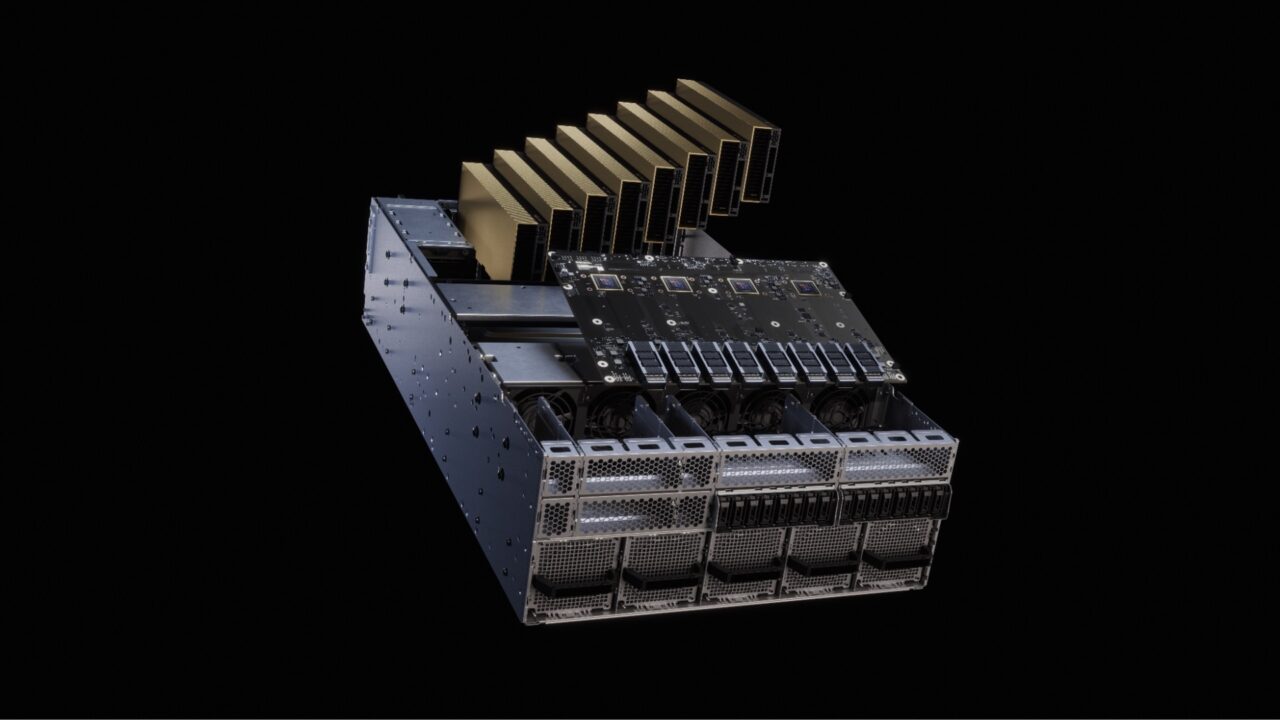
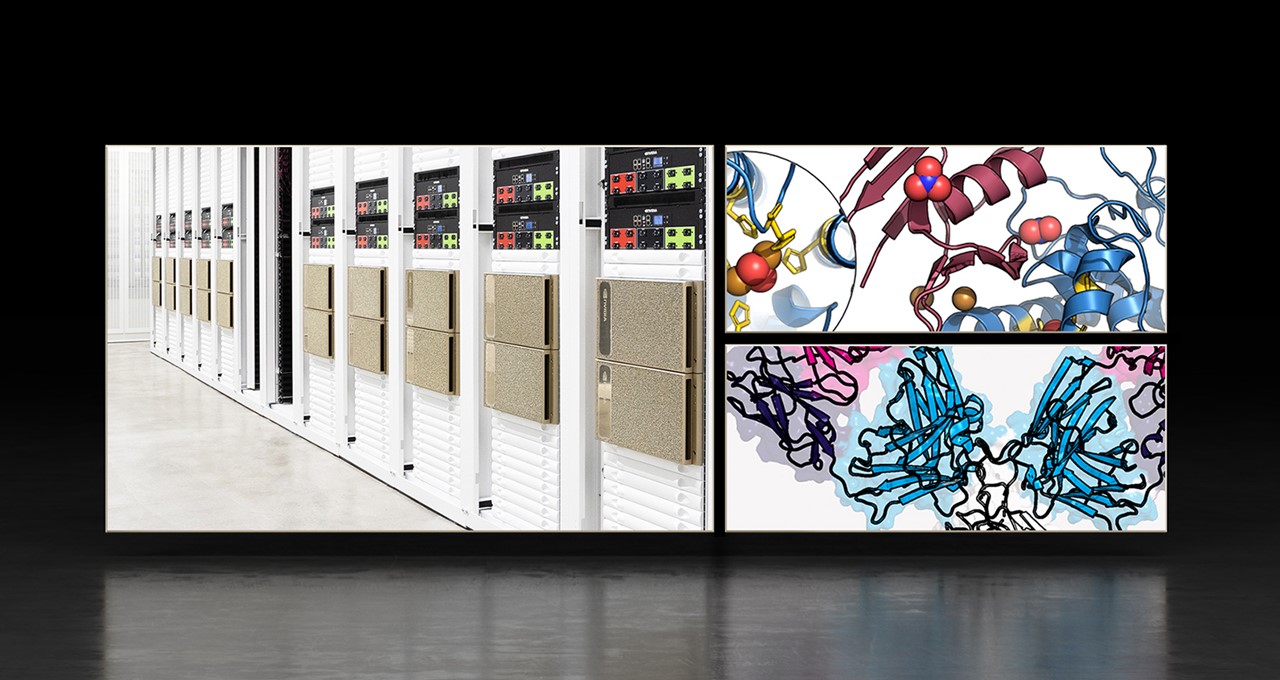
Officially launched in July, Cambridge-1 — an NVIDIA DGX SuperPOD cluster powered by NVIDIA DGX A100 systems, BlueField-2 DPUs and NVIDIA InfiniBand networking — brings together NVIDIA’s decades-long work in accelerated computing, AI and life sciences. Located between London and Cambridge, it ranks among the world’s top 50 fastest computers and is powered by 100 percent renewable energy.

The supercomputer’s five founding partners have already been using it to advance healthcare, using AI to research brain diseases like dementia, design new drugs and more.

Now, the four startups are preparing to use Cambridge-1 to accelerate drug discovery, genome sequencing and disease research.

Each is a member of NVIDIA Inception, a free program that nurtures startups revolutionizing industries with cutting-edge technology. Inception gives members a custom set of ongoing benefits, such as NVIDIA Deep Learning Institute credits, marketing support and technology assistance from experts.

Alchemab Therapeutics: Discovering Antibody Therapeutics

Alchemab Therapeutics is identifying novel drug targets and therapeutics, and building patient stratification tools, with an initial focus on neurodegenerative conditions and cancer.

The company’s antibody drug discovery engine is being built on “nature’s most effective search engine: adaptive immunity,” according to Jake Galson, head of technology at Alchemab. This is the type of immunity developed when a person’s immune system responds to a pathogenic protein, such as those produced by cancers, or a foreign microorganism, like after an infection.

Alchemab’s platform sequences B-cells, which produce antibodies that fight disease, and computationally analyzes antibody responses among individuals who are susceptible but resilient to certain diseases.

“Approximately 10 trillion human antibody variants are possible, and having access to Cambridge-1 gives us a unique opportunity to learn meaningful representations from such an enormous body of data,” Galson said. “This will increase our understanding of antibody structure and function, and ultimately contribute to the discovery and development of novel therapeutics.”

Attend Alchemab’s session on deciphering the language of antibodies at GTC, a global AI conference running through March 24.

InstaDeep: Creating Decision-Making Systems for Biology

InstaDeep, an Elite member of the NVIDIA Partner Network, delivers AI-powered decision-making systems for the development of next-generation vaccines and therapeutics.

The company is looking to train a large AI language model using genomics data — and share the model with healthcare researchers to use for protein design and molecular dynamics simulations.

“There are over 12 billion nucleotide sequences from 450,000 species that are publicly available,” said Karim Beguir, co-founder and CEO of InstaDeep. “Researchers and life science professionals could benefit tremendously from a large-scale model providing data-driven insights from genome sequencing.”

Access to Cambridge-1, Beguir said, will enable InstaDeep to significantly scale the startup’s “compute capabilities and ambitions, and tackle exciting challenges in the development of novel treatments for patients.”

Learn more about how AI language models are applied in biology at InstaDeep’s GTC session on revolutionizing protein research with high performance computing.

Peptone: Providing Insight About Disordered Proteins

Peptone, a startup that received early approval to access Cambridge-1 last fall, is developing a physics engine called Oppenheimer, which will help deliver precise structural insights about intrinsically disordered proteins (IDPs), or proteins that lack a fixed 3D structure.

Diseases that stem from IDPs are usually difficult to treat, but Cambridge-1 will give Peptone the power to potentially “transform a typically undruggable IDP into a plausible drugging target,” said Kamil Tamiola, founder and CEO of Peptone.

“The supercomputer will enable us to perform high-throughput inference on millions of proteins in parallel and in a matter of hours,” Tamiola said. “Oppenheimer integrates advanced atomistic biophysical experiments with a next-generation supercomputing stack built on NVIDIA DGX A100 systems.”

Ultimately, the company will use the calculations to develop a proprietary and first-in-class line of drugs targeting selected IDPs.

Relation Therapeutics: Mapping the Causes of Disease

Another startup, Relation Therapeutics, combines single-cell profiling, human genetics, functional genomics and machine learning to better understand human biology.

RelationTx uses graph-based recommender system technologies to reveal causal relationships in diseases. RelationTx’s platform can identify the areas of biology to focus on for drug discovery and accelerate research efforts for diseases that have not yet been widely studied.

The company aims to transform how drug discovery and development is conducted, leading to new treatments for disease, according to Lindsay Edwards, chief technology officer at RelationTx.

“Ultimately, our mission is to get new medicines to patients who need them, faster and more efficiently than the current paradigm,” Edwards said. “Access to Cambridge-1 opens up areas of biology that were almost impossible to understand before, such as how genetic variation affects gene expression in inaccessible complex tissues and organ systems.”

Learn More About AI in Healthcare

Groundbreaking work in digital biology is to come from these startups — and Cambridge-1’s founding companies are already harnessing its power.

Using the supercomputer, AstraZeneca and NVIDIA developed the latest iteration of MegaMolBART, a natural language processing model that reads the text format of chemical compounds and uses AI to generate new molecules. The transformer chemistry model is capable of training chemical language models with over 1 billion parameters using the NVIDIA NeMo Megatron framework.

Learn more about AI-based innovation at GTC, where Kimberly Powell, vice president of healthcare at NVIDIA, will discuss how researchers, developers and medical device makers use the NVIDIA Clara platform to create breakthroughs in healthcare and drug discovery.

Watch NVIDIA founder and CEO Jensen Huang’s GTC keynote address in replay:

Subscribe to NVIDIA healthcare news.
NVIDIA Virtualizes Game Development With RTX PRO Server

NVIDIA RTX PRO 6000 Blackwell Server Edition GPUs centralize compute infrastructure for content creation, AI, engineering and quality assurance, delivering workstation-class performance at data center scale for game studios.
by Paul Logan

Game development teams are working across larger worlds, more complex pipelines and more distributed teams than ever. At the same time, many studios still rely on fixed, desk-bound GPU hardware for critical production work.

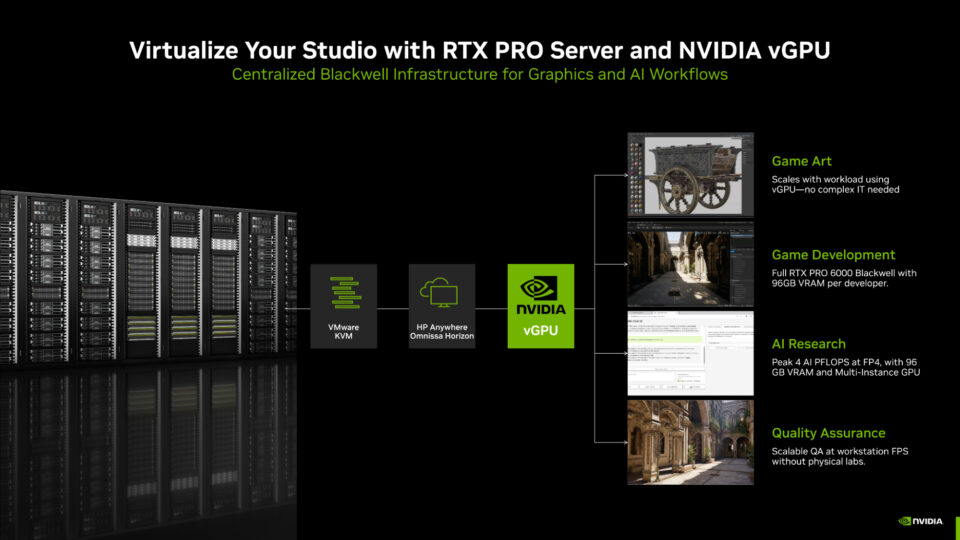
At the Game Developers Conference (GDC) this week in San Francisco, NVIDIA is showcasing a new approach to bring together disparate workflows using virtualized game development on NVIDIA RTX PRO Servers, powered by NVIDIA RTX PRO 6000 Blackwell Server Edition GPUs and NVIDIA vGPU software.

With the RTX PRO Server, studios can centralize and virtualize core workflows across creative, engineering, AI research and quality assurance (QA) — all on shared GPU infrastructure in the data center. 

This enables teams to maintain the responsiveness and visual fidelity they expect from workstation-class systems while improving infrastructure utilization, scalability, data security and operational consistency across teams and locations.

Simplifying Complex Workflows

As game development studios scale, hardware can often sit underutilized in one location while other teams wait to access it for production work. QA capacity is hard to expand quickly. Over time, workstation hardware, drivers and tools diverge, making bugs harder to reproduce. AI workloads are often isolated on separate infrastructure, creating more operational overhead. 

The NVIDIA RTX PRO Server helps studios move from workstation-by-workstation scaling to centralized GPU infrastructure. Studios can pool resources, allocate performance by workload and support parallel development, testing and AI workflows without expanding physical workstation sprawl.

Centralized GPU infrastructure enables studios to run AI training, simulation and game automation workloads overnight, then dynamically reallocate the same resources to interactive development during the day, improving overall utilization and reducing idle capacity.

The NVIDIA RTX PRO Server supports virtualized workflows for 3D graphics and AI across the game development lifecycle for:

  • Artists: Providing virtual RTX workstations for traditional 3D and generative AI content-creation workflows.
  • Developers: Powering consistent, high-performance engineering environments for coding and 3D development.
  • AI researchers: Offering large-memory GPU profiles for fine-tuning, inference and AI agents.
  • QA teams: Enabling scalable game validation and performance testing using the same NVIDIA Blackwell architecture used by GeForce RTX 50 Series GPUs.

This allows studios to support multiple teams — including across sites and contractors — on one common GPU platform, improving collaboration and reducing debugging issues that can arise from disparate hardware.

Supporting AI and Engineering on Shared Infrastructure

AI is becoming a core part of everyday game development, spanning coding, content creation, testing and live operations. As these workflows expand, studios need infrastructure that can support AI alongside traditional graphics workloads without introducing separate, siloed systems.

With the RTX PRO Server, studios can support coding agents, internal model experimentation and AI-assisted production workflows without spinning up a separate AI stack for every team.

The NVIDIA RTX PRO 6000 Blackwell Server Edition GPU features a massive 96GB memory buffer, enabling developers to run multiple demanding applications simultaneously while supporting AI inference on larger models directly alongside real-time graphics workflows.

NVIDIA Multi-Instance GPU (MIG) technology partitions a single GPU into isolated instances with dedicated memory, compute and cache resources. Combined with NVIDIA vGPU software, MIG can help studios securely allocate GPU capacity across users and workloads. In combined MIG and vGPU configurations, a single RTX PRO 6000 Blackwell Server Edition GPU can support up to 48 concurrent users, maximizing utilization while maintaining performance isolation.

Enterprise-Ready Deployment for Game Studios

NVIDIA RTX PRO Servers are designed for enterprise-grade data-center operations. Studios can deploy virtual workstations on RTX PRO Servers via NVIDIA vGPU on supported hypervisor and remote workstation platforms.

That means RTX PRO Servers can fit into studios’ existing infrastructure and IT practices, rather than requiring one-off deployments.

Major game publishers already use NVIDIA vGPU technology to scale centralized development infrastructure and improve efficiency at studio scale.

Learn more about the NVIDIA RTX PRO Server.

See these workflows live by joining NVIDIA’s booth 1426 at GDC or attending NVIDIA GTC, running March 16-19 in San Jose, California. 

See notice regarding software product information.

March Into the Cloud With 15 New Games Coming to GeForce NOW

Check out the week’s eight new additions along with a stacked lineup for March, including the launch of ‘Crimson Desert.’
by GeForce NOW Community
March games list for GeForce NOW

March is in full bloom, and that means a fresh wave of games heading to the cloud. 15 new titles are joining the GeForce NOW library this month.

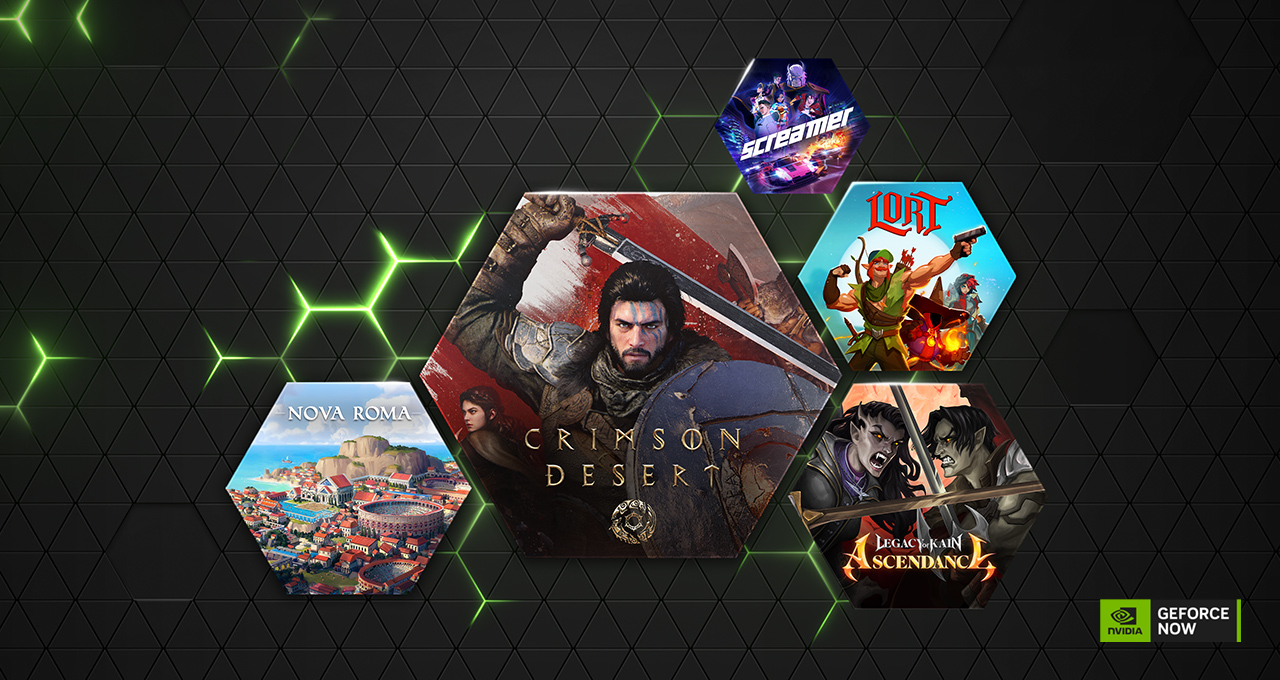
Leading the March lineup is Pearl Abyss’ Crimson Desert, an open‑world action‑adventure set in a war‑torn fantasy land, alongside plenty of other games to explore. Whether looking to shake off the winter blues or jump into some bracket‑worthy gaming action, there’s something for everyone in the cloud.

March into the cloud and see what’s new — and keep an eye on GFN Thursdays all month for more updates. This week kicks off the month with eight new games.

March Gaming Madness

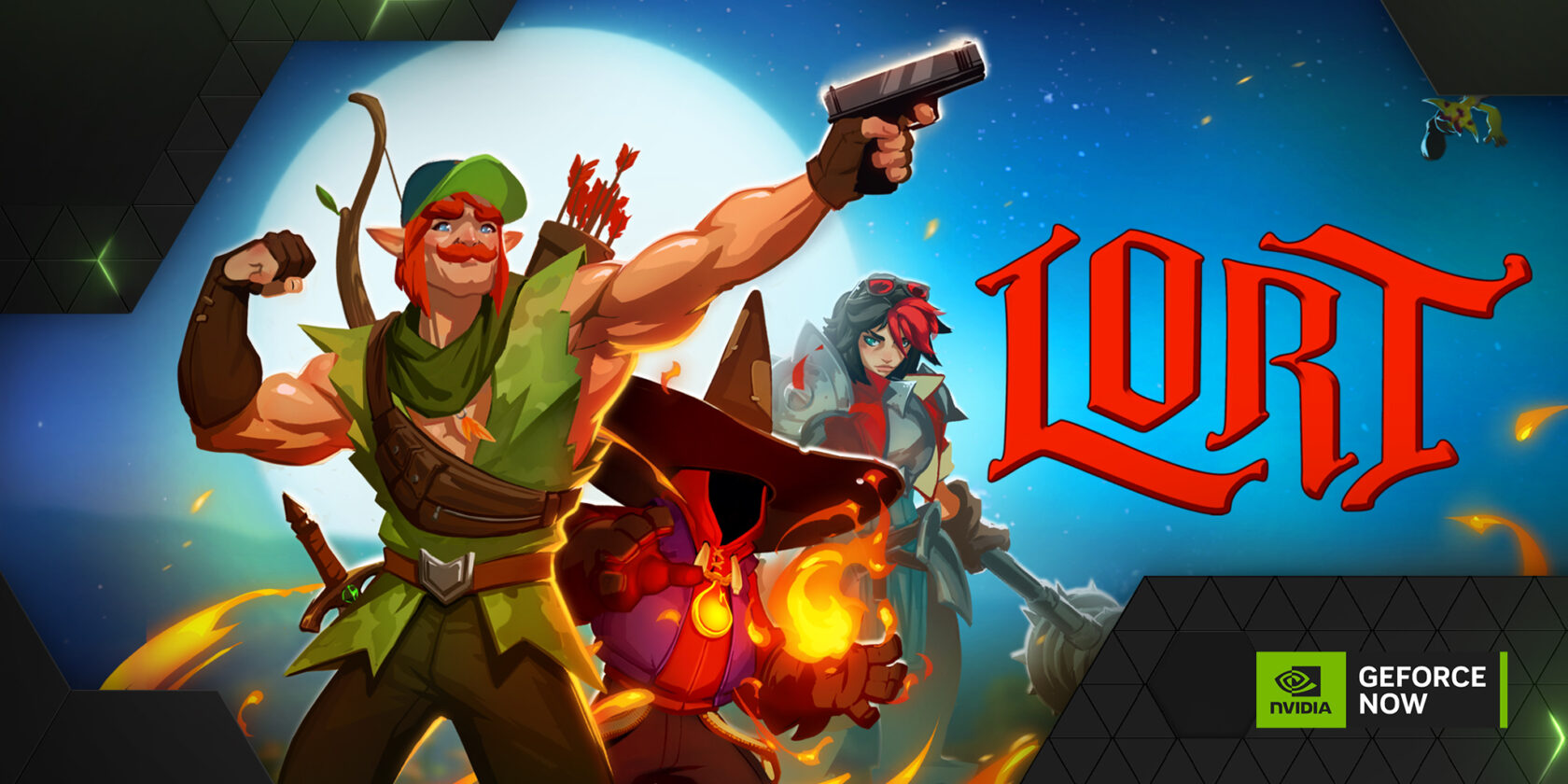
LORT on GeForce NOW
In LORT we trust.

LORT dials chaos up to 11 and snaps the knob clean off. Big Distraction’s off‑the‑rails adventure hurls players into a world where every corner hides a bad idea waiting to become a great story, powered by wild weapons, weirder characters and “Did that just happen?” moments. Catch every glorious disaster in full fidelity and play it on GeForce NOW, available this week.

Here’s are this week’s eight new additions:

  • Kingdom Come: Deliverance II (New release on Xbox, available on Game Pass, March 3, GeForce RTX 5080-ready)
  • Legacy of Kain: Defiance Remastered (New release on Steam, available March 3)
  • Esoteric Ebb (New release on Steam, available March 3)
  • The Legend of Khiimori (New release on Steam, available March 3, GeForce RTX 5080-ready)
  • Slay the Spire 2 (New release on Steam, available March 5)
  • Docked (New release on Steam, available March 5)
  • Death Stranding Director’s Cut (Steam, GeForce RTX 5080-ready)
  • LORT (Steam)

And look forward to the games coming throughout the rest of the month:

  • John Carpenter’s Toxic Commando (New release on Steam, March 12, GeForce RTX 5080-ready)
  • Everwind (New release on Steam, March 17)
  • Crimson Desert (New release on Steam, March 19)
  • Screamer (New release on Steam, March 23)
  • Nova Roma (New release on Steam and Xbox, available on Game Pass, March 26)
  • Legacy of Kain: Ascendance (New release on Steam, March 31)
  • Subliminal (New release on Steam, March 31)

February in the Books

In addition to the 24 games announced last month, 18 more joined the GeForce NOW library:

  • Anno: Mutationem (Xbox, available on Game Pass)
  • Blizzard Arcade Collection (Ubisoft Connect)
  • Capcom Beat ‘Em Up Bundle (Steam)
  • Capcom Fighting Collection (Steam)
  • Diablo (Ubisoft Connect)
  • Diablo + Hellfire Expansion  (Ubisoft Connect)
  • Diablo II: Resurrected (Ubisoft Connect)
  • Galactic Civilizations 3 (Xbox, available on the Microsoft Store)
  • KILLER INN (Steam)
  • Mega Man 11 (Steam)
  • MotoGP22 (Xbox, available on the Microsoft Store)
  • Spellcasters Chronicles (Steam, GeForce RTX 5080-ready)
  • STALCRAFT: X (Epic Games Store)
  • Street Fighter 30th Anniversary Collection (Steam)
  • Torment: Tides of Numenera (Steam and Xbox, available on Game Pass)
  • TCG Card Shop Simulator (Xbox, available on Game Pass)
  • Trine Enchanted Edition (Epic Games Store)
  • Trine 2: Complete Story (Epic Games Store)

What are you planning to play this weekend? Let us know on X or in the comments below, then see what Blue Thunder Gaming thinks of GeForce NOW.


The Nightmare Returns in the Cloud: GeForce NOW Unleashes Capcom’s ‘Resident Evil Requiem’

Wrap up the sixth-anniversary celebration with a members reward and 11 new games in the cloud.
by GeForce NOW Community
Resident Evil Requiem bundle on GeForce NOW

GeForce NOW’s anniversary celebration reaches a chilling crescendo as Capcom’s Resident Evil Requiem creeps into the cloud — and the horrors look better than ever on a GeForce NOW Ultimate membership.

To mark the occasion, a special launch bundle rises from the shadows, pairing the game with a yearlong Ultimate membership for a limited time.

It’s not a celebration party without treats. GeForce NOW is also offering members a new reward to use in Delta Force.

Suit up and grab it alongside 11 new games joining the cloud this week.

The Nightmare Returns in the Cloud

A new era of survival horror arrives with Resident Evil Requiem, the latest and most immersive entry yet in the iconic Resident Evil series. Experience terrifying survival horror with FBI analyst Grace Ashcroft and dive into pulse-pounding action with legendary agent Leon S. Kennedy. Their journeys and unique gameplay styles intertwine into a heart-stopping, emotional experience that will chill gamers to their core.

Requiem for the dead. Nightmare for the living.

With GeForce RTX 5080-class power in the cloud, experience Requiem with lifelike lighting, full path tracing, ray‑traced reflections and cinematic realism at up to 5K resolution with high dynamic range, plus NVIDIA DLSS 4 with Multi Frame Generation for maximum performance. The Ultimate membership keeps every encounter smooth and immersive when streaming from powerful GPUs in the cloud.

To celebrate GeForce NOW’s sixth anniversary, a special launch offer emerges from the fog: For a limited time, Resident Evil Requiem is included with the purchase of a 12‑month Ultimate membership. It’s the perfect way to return to the city of disaster and despair, now more haunting and beautiful than ever.

Priority Package

GeForce NOW marks six epic years in the cloud, and the party lands on the Delta Force frontline with a new reward drop.

Delta Force reward on GeForce NOW
What a drop.

Being a GeForce NOW member is rewarding. All members can get an edge in the Delta Force extraction and warfare game modes with a reward bundle packed with standard gear tickets, premium weapon XP tokens and armament vouchers to fine-tune loadouts and push every op further.

Performance and Ultimate members gain even more battlefield muscle with an early unlock of the PP‑19 Bizon, a weapon that brings close-quarters stopping power to every mission.

This special sixth-anniversary reward is available through Thursday, March 26, while supplies last. Redeem now and deploy.

Ready, Set, Stream

This week, members can look for the following:

  • TCG Card Shop Simulator (New release on Xbox, available on Game Pass, Feb. 24)
  • Blizzard Arcade Collection (New release on Ubisoft Connect, Feb. 25)
  • Diablo II: Resurrected (New release on Ubisoft Connect, Feb. 25)
  • Spellcasters Chronicles (New release on Steam, Feb. 26, GeForce RTX 5080-ready)
  • Resident Evil Requiem (New release on Steam, Feb. 27, GeForce RTX 5080-ready)
  • Anno: Mutationem (Xbox, available on Game Pass)
  • ARC Raiders (Xbox, available on the Microsoft Store, GeForce RTX 5080-ready)
  • DEVOUR (Steam)
  • Galactic Civilizations 3 (Xbox, available on the Microsoft Store)
  • MotoGP22 (Xbox, available on the Microsoft Store)
  • Torque Drift 2 (Steam)

What are you planning to play this weekend? Let us know on X or in the comments below.